Iran, US on brink of war again: For India, a lot to watch out for
Source Entity
Shubhajit Roy
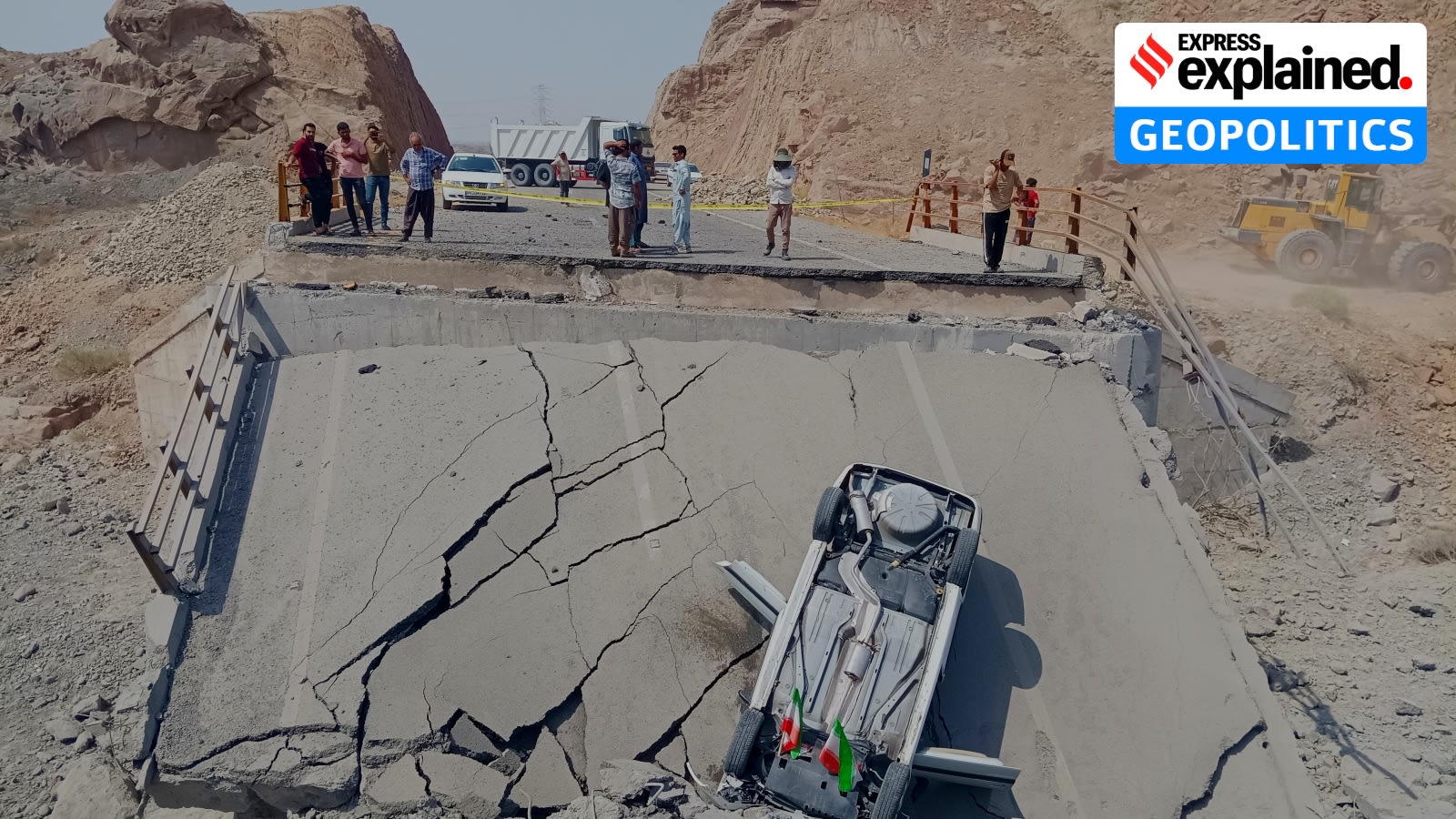
Two US service members were killed and one remains missing following an Iranian ballistic missile and drone attack on a military base in Jordan. The incident marks a significant escalation in regional hostilities, prompting retaliatory strikes from US Central Command.
Escalation in the Middle East: US Forces Targeted in Jordan
The geopolitical landscape in the Middle East has shifted dramatically following a lethal Iranian ballistic missile and drone attack on a US military base in Jordan. According to the Pentagon, the assault resulted in the deaths of two American service members, with a third individual currently reported as missing. This incident represents a sobering milestone, as it marks the first time American troops have been killed by direct Iranian fire since the onset of the current regional conflict.
The Mechanics of the Attack and Immediate Response
On Friday, the base—which relies on a coalition of US and partner forces—faced a coordinated onslaught of Iranian missiles and drones. While Jordan’s military reported the successful interception of 10 missiles within its airspace, the penetration of the base's defenses resulted in significant casualties. Beyond the fatalities, the US Central Command (Centcom) confirmed that four additional service members were evacuated to local hospitals for medical treatment, though they have since been discharged. The swift nature of the attack highlights the persistent threat posed by regional actors utilizing advanced ballistic and drone technology against stationary military infrastructure.
Strategic Implications and Retaliation
In the wake of the attack, the United States has intensified its military posture. Centcom has initiated retaliatory operations, specifically targeting Iranian surveillance infrastructure and key logistical sites. This cycle of escalation—where Iran warns of "unforgettable lessons" and the US responds with targeted strikes—underscores a dangerous trend of tit-for-tat military engagement that threatens the stability of the entire region. The conflict has already begun to manifest in wider economic disruptions, most notably affecting shipping lanes through the critical Strait of Hormuz.
The Broader Context of Regional Hostility
This tragedy brings the total US death toll in the current conflict to at least 16, with more than 430 additional personnel reported injured. The incident is not an isolated event but rather part of a broader pattern of Iranian-backed hostilities across the Gulf region. By targeting US military facilities, Tehran is signaling a willingness to engage in direct, high-stakes confrontation, moving away from the proxy-heavy tactics that have traditionally defined regional tensions.
Future Trends and Security Outlook
Moving forward, the primary concern for international observers is the potential for further regional destabilization. The vulnerability of bases in neighboring countries to missile and drone swarms presents a significant logistical and tactical challenge for US commanders. As the US attempts to balance deterrence with the desire to avoid a full-scale regional war, the intelligence community will likely focus on tracking the origins and supply chains of the weaponry used in these strikes. The coming weeks will be critical in determining whether this cycle of violence can be contained or if it will continue to spiral into a broader, more uncontrollable conflict.
Multiple Citing Sources