Why Indian diaspora group is opposing US’s 4-year student visa cap
Source Entity
The Indian Express
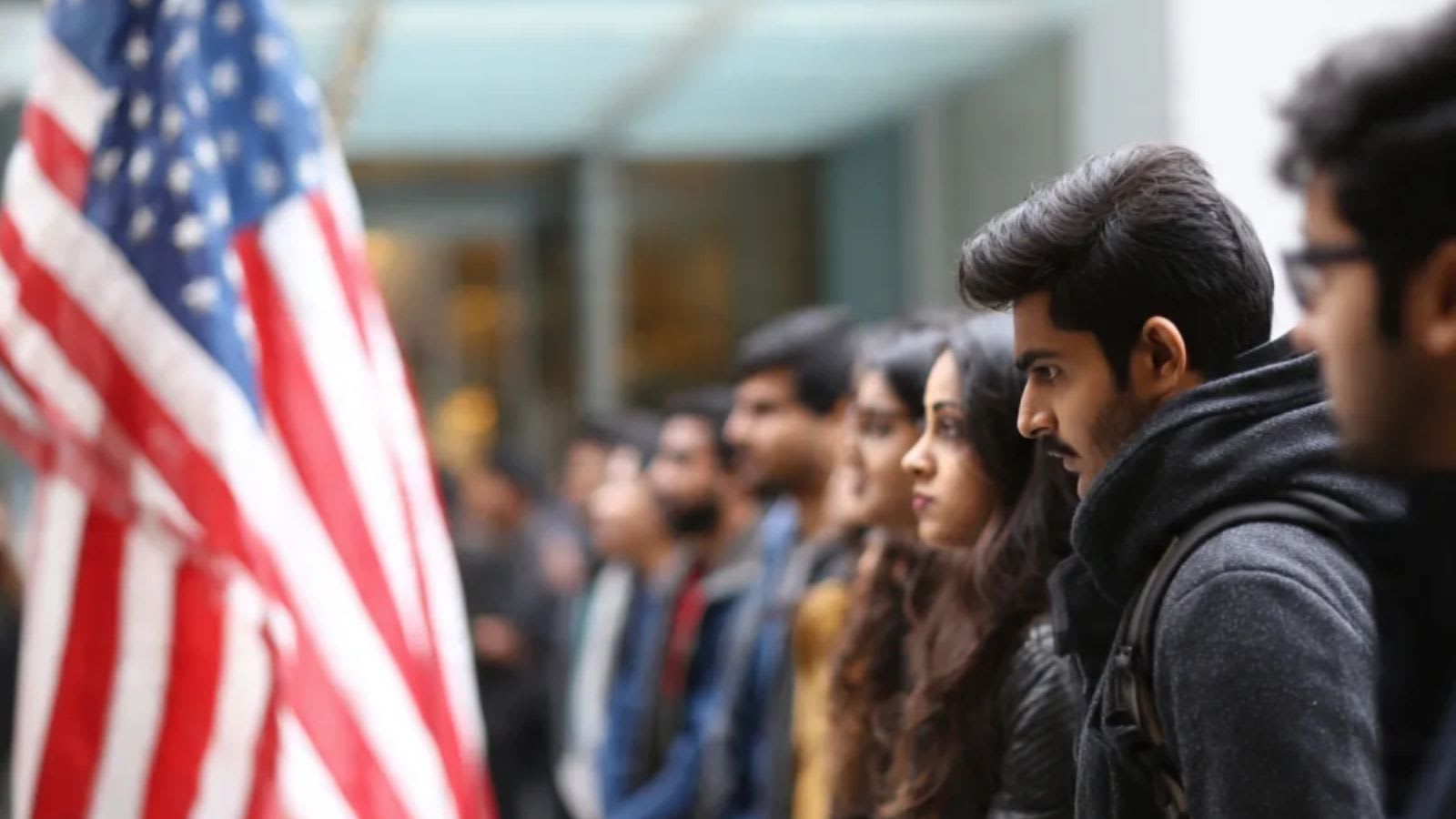
The Foundation for India and Indian Diaspora Studies is urging US authorities to pause a new four-year visa cap for students and exchange visitors. Critics argue the policy undermines US competitiveness and fails to reflect the reality of modern academic degree timelines.
The Controversy Surrounding US Student Visa Reforms
Recent policy shifts by the United States government regarding visa durations for international students and exchange visitors have sparked significant concern among advocacy organizations. The Foundation for India and Indian Diaspora Studies (FIIDS) has formally requested that both the US Congress and US Citizenship and Immigration Services (USCIS) pause the implementation of a new four-year cap on these visas. This move represents a major departure from the previous regulatory framework, which allowed for indefinite stays subject to government review, and has ignited a debate over the balance between national security and educational openness.
Impact on US Global Competitiveness
Khanderao Kand, the chief of policy and strategy at FIIDS, has characterized this regulatory change as a "self-inflicted wound" on the nation's competitiveness. The central argument is that by imposing a rigid four-year limit, the US risks alienating the international talent pool that contributes significantly to American research, innovation, and economic growth. The diaspora group asserts that such barriers could discourage high-achieving students from choosing the United States as their primary destination for higher education, potentially pushing them toward competing academic hubs in Europe or Asia.
Misalignment with Academic Realities
Beyond the geopolitical implications, there is a fundamental concern regarding the practical application of the four-year cap. Kand has highlighted that the arbitrary limit does not account for the actual duration required to complete many modern degree programs. Doctoral programs, specialized research tracks, and certain STEM-focused graduate studies often require more than four years of intensive, uninterrupted work. By failing to accommodate these academic timelines, the new visa policy creates an environment of instability for students who may face the prospect of forced departure before their research or studies are concluded.
The Shift from Indefinite Stays
Historically, the US operated under a system that provided a degree of flexibility, allowing students and exchange visitors to remain in the country based on the duration of their status rather than a hard-coded expiration date. This allowed for periodic government review, providing oversight while maintaining the continuity of research projects. The transition to a fixed four-year cap signifies a more restrictive approach to immigration policy, prioritizing administrative simplicity and stricter control over the nuanced needs of the academic and scientific communities.
Broader Policy Implications
The intervention by FIIDS underscores the growing influence of the Indian diaspora in shaping US immigration policy. As India continues to be one of the largest sources of international students in the US, the voices of organizations representing these groups carry substantial weight in Washington. The ongoing dialogue between stakeholders and federal agencies reflects a broader tension in American policy: the need to maintain rigorous border and visa security while fostering an environment that attracts the world's best and brightest minds to fuel domestic advancement.
Future Outlook
Looking ahead, the success of the advocacy group's plea will likely depend on whether the US government perceives these visa caps as essential for national security or as a hindrance to its long-term economic goals. If the policy remains unchanged, it could lead to a decline in international student enrollment, particularly in complex fields requiring longer residency. The outcome of this standoff will be a critical indicator of how the United States intends to manage its soft power and educational leadership in an increasingly competitive global landscape.