The Cardio Trap
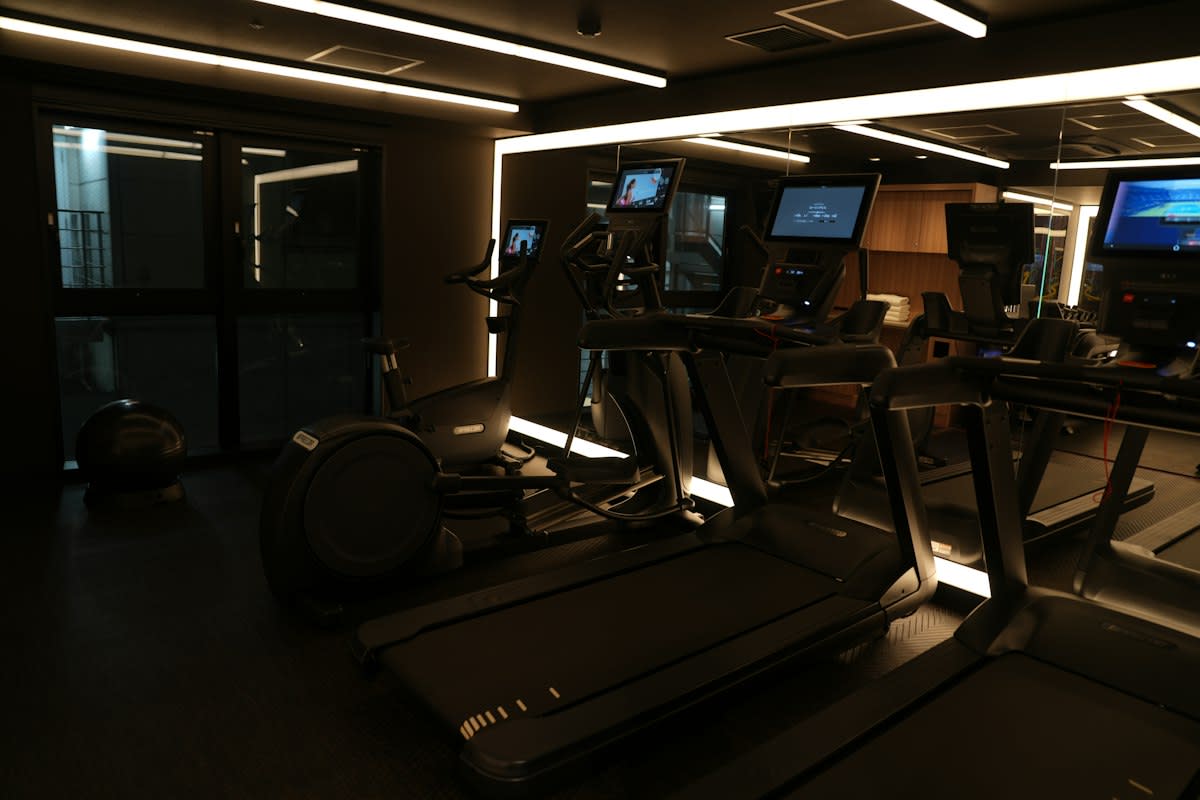
You have spent a decade optimizing your heart rate. You track every zone, every beat, every single milliliter of oxygen your lungs can process. In high-performance hubs like San Francisco or Singapore, this is the gold standard. The narrative is simple: high VO2 max equals a longer life. But there is a gap in the data that the fitness industry ignores. A heart that pumps like a piston is useless if the chassis it sits in is brittle. We are seeing a generation of cardio-athletes who can run a sub-four-hour marathon but cannot balance on one leg while putting on a shoe without leaning against a wall.
The obsession with aerobic capacity ignores the reality of how people actually die as they age. It is rarely a sudden cardiac event in a vacuum. It is a fall in a bathroom in a Tokyo apartment. It is a hip fracture after a trip on a sidewalk in Mexico City. These are failures of physical literacy, not cardiovascular endurance. Physical literacy is the competence, confidence, and motivation to move in a wide variety of environments. While cardio manages the engine, physical literacy manages the steering and the suspension. (Source: International Physical Literacy Association, 2018).
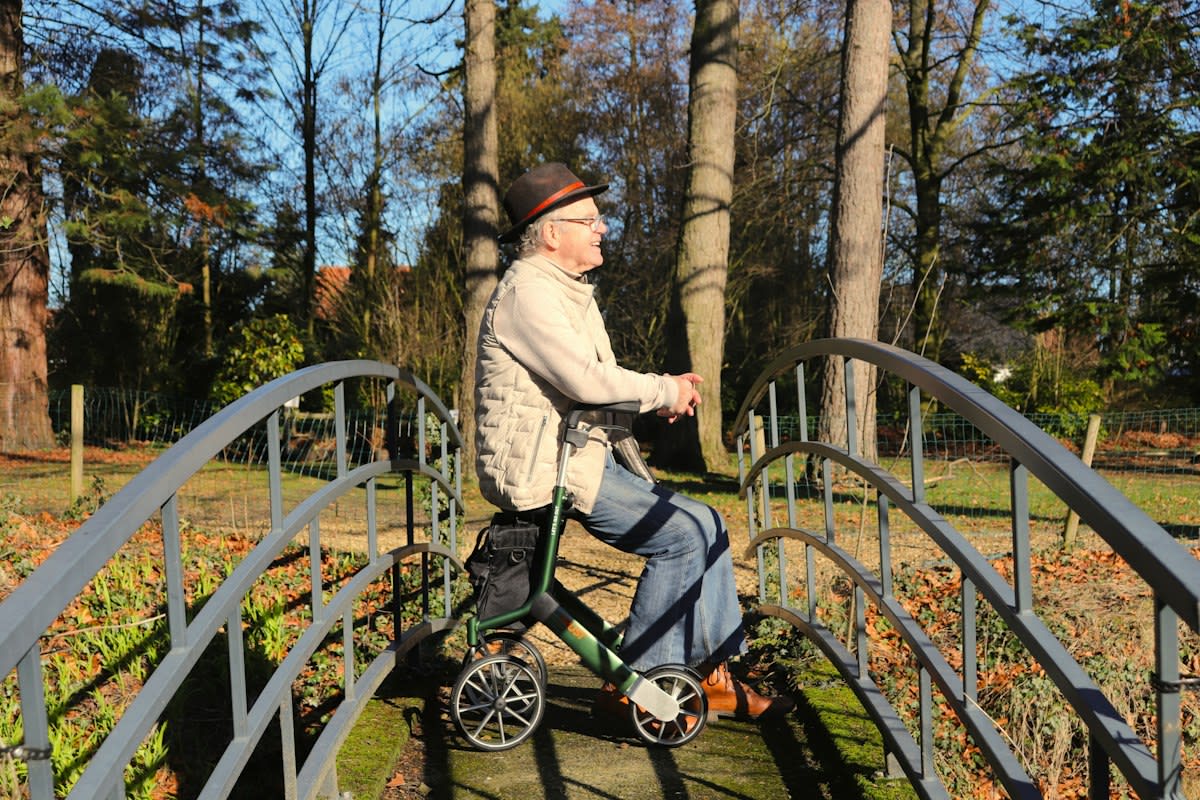
"Physical literacy is not just about the ability to move, but the desire and confidence to move for a lifetime. Without the cognitive map of how to move safely, a strong heart is just a motor in a broken car."— Margaret Whitehead, Founder of the International Physical Literacy Association
The data is cold. Sarcopenia—the age-related loss of muscle mass and function—is a silent killer that cardio does not solve. In fact, excessive steady-state cardio without resistance and mobility training can accelerate muscle wasting in the elderly. Research indicates that muscle strength and functional movement patterns are more closely tied to the prevention of all-cause mortality in those over 65 than aerobic capacity alone. (Source: The Lancet, 2020). The ability to get up from a chair without using your arms is a better survival metric than your 5K time.
Prerequisites: The Basics of Recovery
- A mirror (to stop lying to yourself about your form).
- Flat shoes or bare feet (stop relying on overpriced foam to stabilize your ankles).
- A willingness to look clumsy (competence starts with a period of looking like an amateur).
- A stopwatch (not for speed, but for time-under-tension).
Before you touch a weight or a treadmill, you need to audit your movement debt. Most of us are in debt. We have traded the ability to crawl, climb, and rotate for the ability to sit in an ergonomic chair for twelve hours. This creates a neurological disconnect. Your brain forgets how to recruit certain muscle groups. If you try to build strength on top of a broken movement pattern, you are just reinforcing a dysfunction. You do not need a fancy gym in Dubai; you need a floor and the humility to start from zero.
The Physical Literacy Protocol
- Neurological Re-mapping: Spend 10 minutes a day on non-linear movement. Crawl, roll, and rotate. Force your brain to communicate with your extremities in ways a treadmill never requires.
- Stability Integration: Move from static balance to dynamic stability. Instead of standing on one leg, try to maintain balance while moving your arms or tossing a ball. This mimics real-world survival.
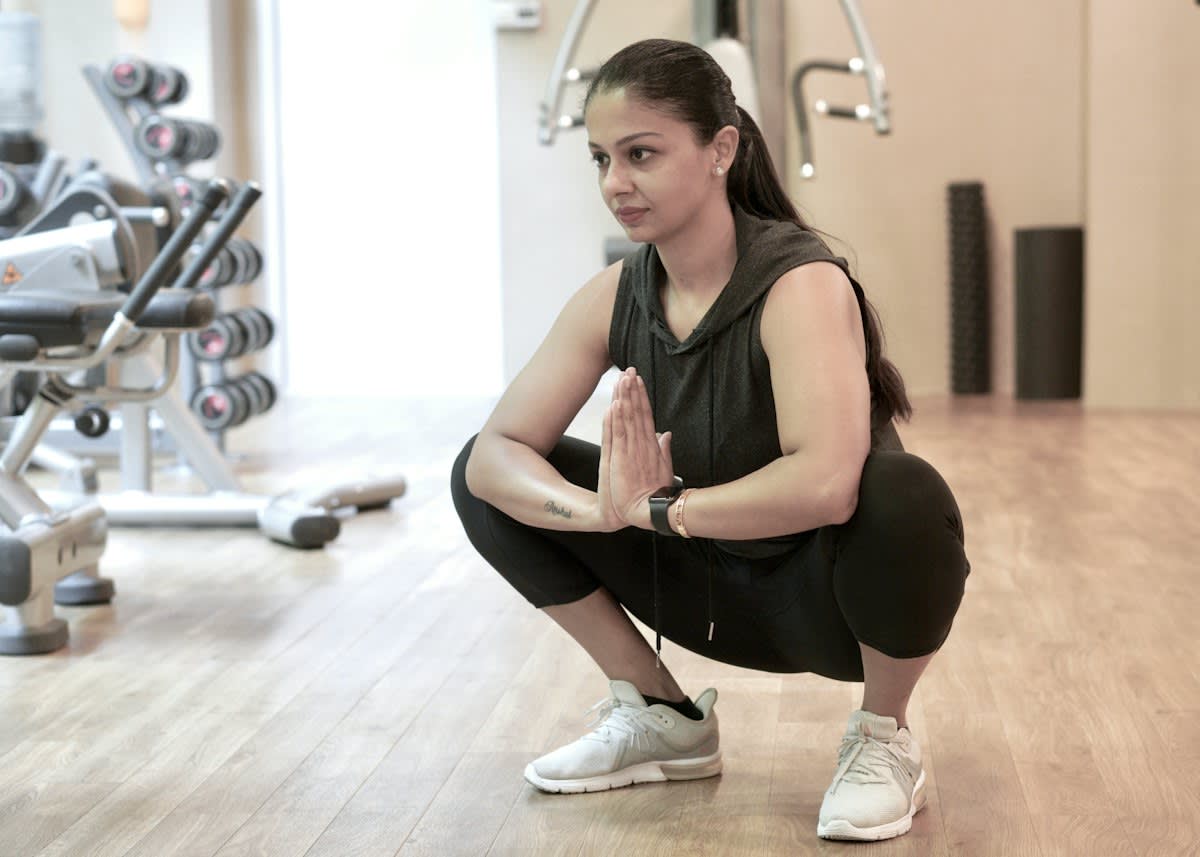
- Functional Strength: Focus on the five primal movements: squat, lunge, push, pull, and hinge. Do not optimize for the weight on the bar; optimize for the quality of the range of motion.
- Environmental Stress: Take your movement outside. Navigate uneven terrain, climb a hill, or walk on sand. The predictability of a gym floor is a lie that makes you fragile.
Step one is about the brain. Neurological re-mapping is where most people fail because it feels like play, not work. But the cerebellum does not care about your sweat levels. It cares about coordination. When you crawl, you engage the contralateral patterns that are essential for gait stability in old age. This is the difference between a person who recovers from a trip and a person who ends up in a nursing home. (Source: WHO Guidelines on Integrated Care for Older People, 2021).
Stability is not a state; it is a process. Dynamic stability requires your proprioceptors—the sensors in your joints—to fire in milliseconds. If you only do cardio, these sensors go dormant. By introducing chaos into your movement, you force the body to maintain its center of gravity under pressure. This is the actual armor against longevity-threatening falls.
Finally, environmental stress is the ultimate test. The gym is a controlled laboratory. Life is not. In cities like Lagos or Mumbai, the environment is inherently chaotic. People who navigate these spaces naturally maintain a higher level of physical literacy because they are constantly adjusting to uneven ground and unexpected obstacles. If you live in a sterilized suburb, you must manually inject this chaos back into your routine to avoid becoming fragile.
Ground-Level Friction: The Industry Lie
If you try to implement this in a standard clinical setting, you will hit a wall. I have seen this in physiotherapy clinics from Seoul to Sao Paulo. The system is built on billing codes. It is easier to bill for a treadmill session or a specific machine-based exercise than it is to bill for 'learning how to move.' There is a political war between the old-school rehab doctors and the functional movement specialists. The doctors want stability and safety; the specialists want adaptability and resilience. The result is a patient who is 'cleared for activity' but still terrified of falling.
Then there is the biohacking crowd. They want a pill or a wearable to solve the problem. They will spend five thousand dollars on a red-light therapy bed but refuse to spend twenty minutes practicing a basic hinge pattern because it is boring. They are optimizing the margins while the core is rotting. The friction here is ego. Admitting that you cannot squat with your heels on the floor is a blow to the ego of a high-earning executive. But the floor does not care about your job title.
Common Pitfalls
- The Tracker Trap: Thinking that 10,000 steps equals physical literacy. Steps are just cardio; they do not build coordination.
- Symmetry Obsession: Trying to be perfectly symmetrical. Real life is asymmetrical. Learn to move in weird angles.
- Ignoring the 'Ugly' Phase: Quitting because you look ridiculous while learning to crawl or balance.
- Over-reliance on Support: Using machines that stabilize the weight for you. If the machine is balancing the weight, you are not training your balance.
The ultimate failure is treating physical literacy as a destination. It is not a certification you earn; it is a maintenance contract you sign with your body. The moment you stop challenging your coordination is the moment you start sliding back into fragility. Cardio is a tool, but physical literacy is the foundation. Without the foundation, the tool is just a way to get to the end faster.
Fact-Check & Accuracy Note
Settled: Sarcopenia and loss of balance are primary drivers of mortality in the 65+ demographic. Debated: The exact ratio of VO2 max to muscle mass for optimal lifespan. While high VO2 max is correlated with longevity, it does not mitigate the risk of acute injury from falls, which is where physical literacy provides the critical advantage.
Editorial Note
This guide is written from the perspective of a practitioner who has seen the failure of purely aerobic longevity protocols. The emphasis is on functional resilience over clinical optimization.