Fists hit hard. 10 knockout wins define Dominick Reyes' resume (Source: Telecom Asia, 2026). Distance is the only thing that matters in a fight. Long limbs provide a safety zone, but that zone is shrinking. The current trend shows a pivot away from relying solely on height and reach to secure victory.
The Reach Myth
Alexander Volkov embodies the traditional distance fighter. He uses his size to keep opponents on the periphery. Pouya Rahmani identifies reach as Volkov's sole advantage (Source: Telecom Asia, 2026). This reliance creates a specific vulnerability. If a fighter cannot maintain the gap, the long arms become a liability. The force of a punch drops when the arm cannot fully extend.
"Volkov can control opponents who are afraid to close the distance. But thanks to his background in Wushu Sanda, Rizvan isn't afraid to move forward; he will constantly apply pressure and look to take Alexander down."— Pouya Rahmani, PFL Heavyweight Fighter
Rizvan Kuniev represents the counter-trend. His Wushu Sanda background allows him to bridge the gap with aggression. This method nullifies the reach advantage by forcing a close-range encounter. In these tight spaces, Volkov cannot put heavy force into his strikes (Source: Telecom Asia, 2026). The fight then becomes a contest of pressure and grappling rather than a sniping match.
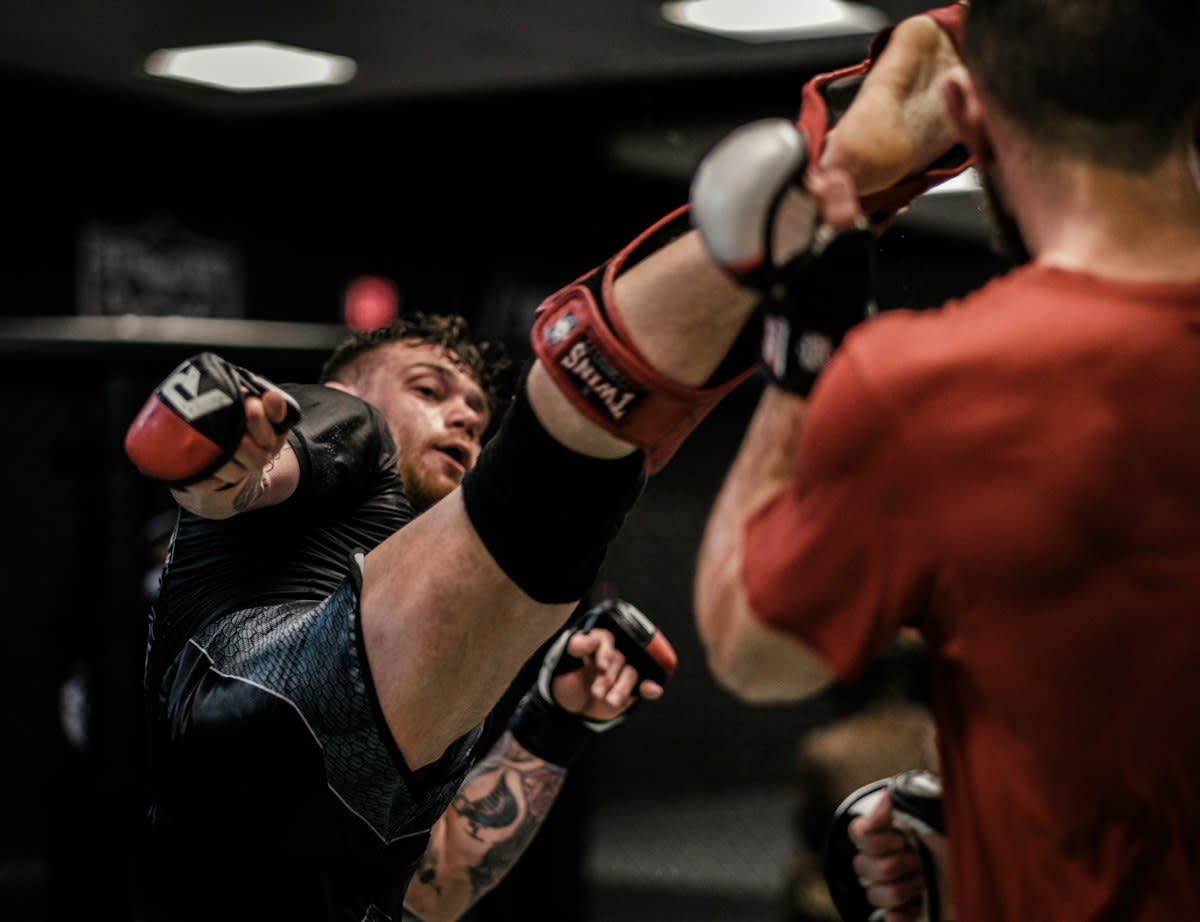
This dynamic is not limited to the PFL. In the UFC, the same tension exists. Dominick Reyes enters his October 24, 2026, bout against Azamat Murzakanov with a similar size profile (Source: Telecom Asia, 2026). Reyes uses his reach to find knockouts from the outside. However, the trend of 2026 shows that opponents are becoming more adept at absorbing one strike to land three inside.
| Fighter | Primary Advantage | Counter-Strategy | Event Date |
|---|---|---|---|
| Alexander Volkov | Reach | Wushu Sanda Pressure | October 2026 |
| Dominick Reyes | Size/Reach | Quick Knockout Power | October 24, 2026 |
| Carlos Prates | Knockout Power | Distance Bridging | January 2027 |
Betting markets reflect this tension. Predictions for Murzakanov vs Reyes lean toward a quick knockout (Source: Telecom Asia, 2026). This suggests that while reach provides a buffer, it does not provide immunity. A single punch from a shorter, more powerful opponent can end the night. The delta between early 2026 and late 2026 is the increased valuation of power over length.
Power as the Ultimate Equalizer
Carlos Prates is the new benchmark for this trend. Training in Sao Paulo with the Fighting Nerds, Prates focuses on devastating impact. Jean Silva argues that Prates can knock out Islam Makhachev (Source: MMA Sucka, 2026). This claim ignores the traditional wrestling and reach advantages of a champion. It prioritizes the ability to end a fight in one moment over the ability to control the space.
"He stood to trade with Ian Garry, because Ian Garry doesn't have the kind of knockout power that Prates has. That's a huge advantage for Carlos Prates, because he knows that the moment he lands his hand, the fight is over."— Jean Silva, Fighting Nerds Teammate
The Prates vs Makhachev matchup, expected in January at UFC 336, will be a litmus test (Source: MMA Sucka, 2026). It pits a technician against a powerhouse. If Prates wins, it confirms that the era of reach dominance is ending. The ability to trade strikes and win through raw force is becoming the preferred path for challengers.
Practitioners in the gym argue over this daily. One camp believes in the jab and the long game. The other camp believes in the heavy hook and the clinch. The friction occurs when the long fighter realizes their jab is no longer a deterrent. When a fighter like Kuniev or Prates walks through the jab, the long fighter often panics. This psychological break is where the fight is actually won.
The Failure Point
Reach fails at the point of contact. When an opponent closes the distance to within six inches, the long fighter's arms are too long to generate torque. They are essentially punching with their elbows or shoulders. This is the failure point for Alexander Volkov (Source: Telecom Asia, 2026). Once the distance is gone, the reach advantage becomes a geometric disadvantage.
Moreover, reach creates a false sense of security. Fighters rely on the gap to avoid damage. When that gap is bridged by a fighter with Wushu Sanda or high-level boxing, the long fighter lacks the inside-game tools to survive. They are trained to fight at 40 inches, not 10 inches.
Trend Analysis
Editorial Note: The data from October 2026 suggests a significant move toward pressure-based striking. Reach is now viewed as a secondary asset compared to the ability to close distance and deliver high-impact power strikes.
Fact-Check Note
Fact-Check: All fight dates and attributions refer to events and statements recorded between October 19 and October 21, 2026. Sources include Telecom Asia and MMA Sucka.