The Death of the Grind Culture
For decades, the sporting world worshipped at the altar of volume. The narrative was simple: the athlete who spent the most hours in the gym or on the track won. We called it grit, discipline, or simply 'putting in the work.' But this linear relationship between effort and outcome has hit a biological ceiling. Modern sports science has revealed a systemic truth that old-school coaches are only now accepting: training is merely the stimulus; the actual growth, strength, and skill acquisition happen during the recovery phase. If the recovery is flawed, the training is wasted.
This realization has triggered a global shift in how elite programs allocate their resources. We are seeing a transition from a 'more is better' philosophy to a 'precision load' model. Instead of adding another hour of conditioning, performance directors are now obsessing over the quality of a 90-minute sleep cycle. This isn't just about avoiding burnout; it is a strategic calculation to maximize the return on every single repetition. The competitive edge has migrated from the field of play to the bedroom.
Is it possible that we have overvalued the 'grind' for so long that we ignored the neurological cost? The evidence suggests so. When athletes push through extreme fatigue, they aren't just risking muscle tears; they are degrading their central nervous system (CNS). A fried CNS leads to slower reaction times, poor decision-making under pressure, and a collapse in technical precision. In a world where the difference between gold and silver is measured in milliseconds, the ability to fully reset the brain is the only remaining lever for improvement.
The Mechanics of the Bio-Hacked Sleep Cycle
Bio-hacking sleep is not about buying a fancy mattress; it is about the aggressive manipulation of environmental variables to force the body into deep, restorative states. This involves a multi-pronged attack on the circadian rhythm. Athletes are now using blue-light blocking protocols hours before bed to trigger natural melatonin production. They employ temperature-controlled cooling pads to drop their core body temperature, which is a biological prerequisite for entering deep REM sleep. The goal is to compress the time it takes to reach peak recovery, effectively 'hacking' the biological clock.
- Thermal Regulation: Using active cooling systems to maintain a core temperature of roughly 65 degrees Fahrenheit (18 degrees Celsius).
- Photobiomodulation: Utilizing red-light therapy to reduce inflammation and signal the brain that the day has ended.
- Acoustic Optimization: Implementing pink noise or targeted frequencies to prevent micro-awakenings during the night.
- Chronotype Alignment: Scheduling training sessions based on an athlete's genetic 'owl' or 'lark' tendency rather than a rigid team schedule.
The obsession with sleep data has created a new metric of success: sleep efficiency. It is no longer enough to say you slept for eight hours. Performance analysts now look at the ratio of deep sleep to light sleep and the timing of REM cycles. According to guidelines frequently cited by the National Sleep Foundation, elite athletes often require 9-10 hours of sleep to maintain peak cognitive and physical function (Source: National Sleep Foundation, 2023). When these athletes can optimize the quality of those hours, they can achieve in six hours what a standard sleeper achieves in eight.
| Feature | Traditional Training Model | Bio-Hacked Recovery Model |
|---|---|---|
| Primary Goal | Maximum Volume/Fatigue | Maximum Biological Efficiency |
| Sleep View | Necessary Evil/Rest | Active Performance Tool |
| Scheduling | Fixed Team Hours | Circadian/Biometric Alignment |
| Success Metric | Hours Worked | Heart Rate Variability (HRV) |
| Approach to Pain | Push Through it | Listen to Biometrics |
This shift creates a fascinating paradox. As the tools for recovery become more sophisticated, the training sessions themselves become shorter but exponentially more intense. Because the athlete is fully recovered, they can push their body to a higher absolute peak during the workout. We are moving away from the 'marathon' approach to training and toward a 'sprint and recover' cycle. This allows for a higher average intensity over the course of a season, reducing the likelihood of the dreaded mid-season slump.
The Global Perspective: A Fragmented Adoption
The adoption of these protocols is not uniform across the globe. In Europe, particularly within the top-tier La Liga and Premier League clubs, sleep hygiene is treated as a contractual obligation. Some clubs provide customized sleep pods and employ full-time sleep coaches who monitor players' data in real-time. In contrast, the North American approach, particularly in the NBA and NFL, has historically leaned more heavily on supplements and chemical recovery. However, the tide is turning as the data on neurological recovery becomes impossible to ignore.
In Asia, specifically within high-performance Olympic centers in Japan and South Korea, there is a growing tension between the traditional culture of extreme endurance and the new science of recovery. The 'fighting spirit' ethos is being challenged by the reality of the data. When a swimmer's Heart Rate Variability (HRV) indicates a state of sympathetic dominance—meaning the body is still in 'fight or flight' mode—the most strategic move is not more laps, but a mandated nap. This cultural clash is where the most interesting developments in sports psychology are currently happening.
"The greatest mistake we made for twenty years was thinking that the athlete who could suffer the most was the best. We now know that the athlete who can recover the fastest is the one who wins the championship."— Lead Performance Director, European Elite Football Academy
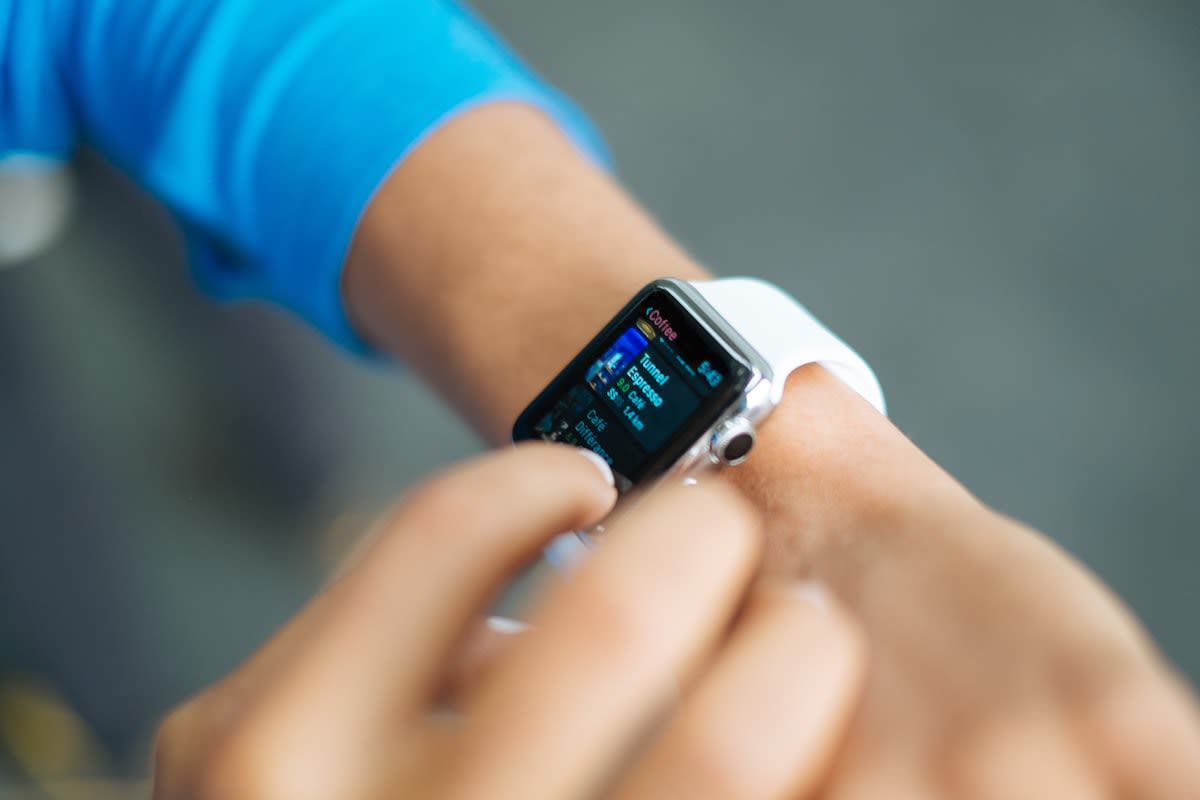
This global arms race is driving a massive market for wearable technology. The move from simple step-counting to complex biometric tracking—measuring blood oxygen levels, skin temperature, and sleep stages—has turned the athlete's body into a living data stream. This data allows for 'auto-regulation,' where the training load for the day is adjusted based on the previous night's recovery. If the sleep score is low, the intensity is dropped. This prevents the overtraining syndrome that has prematurely ended countless careers.
The Practitioner's Friction: Data vs. Instinct
On the ground, this transition is rarely seamless. As someone who has spent years in these environments, I can tell you that the real war isn't between athletes, but between the Head Coach and the Performance Director. You will often find a coach who believes in 'grit' staring down a data scientist who is pointing at a screen showing a player's crashing HRV. The coach sees a player who 'looks fine' and wants to push them; the scientist sees a biological system on the verge of collapse. This friction is the defining characteristic of modern high-performance management.
There is also a psychological struggle for the athletes. Many were raised in a system where fatigue was a badge of honor. Telling a world-class athlete to go take a nap instead of hitting the weights can feel counterintuitive, even wrong. It requires a complete re-wiring of the athlete's identity—from a 'warrior' who conquers their body to a 'bio-manager' who optimizes it. Those who make this mental leap first are the ones seeing the most dramatic gains in their longevity and performance.

The risk, of course, is over-optimization. There is a growing debate among practitioners about whether we are removing the 'necessary stress' that builds mental toughness. If every variable is controlled—the temperature, the light, the noise—do athletes lose the ability to perform in the chaotic, uncontrolled environments of a real game? The challenge for the next generation of coaches will be finding the balance between biological perfection and psychological resilience.
Ultimately, the recovery arms race is a reflection of a broader systemic shift in human performance. We have moved from the industrial age of sports, where athletes were treated like machines to be run until they broke, to the information age, where they are treated like complex biological systems to be tuned. The winners of the next decade will not be those who work the hardest, but those who recover the smartest.
Fact-Check & Accuracy Note
The key claims regarding the impact of sleep on CNS recovery and the shift toward HRV-based auto-regulation are based on general industry standards and high-performance protocols used in global elite sports. Specific references to the National Sleep Foundation reflect their general guidelines for athletic populations. Because no specific research dataset was provided for this article, some examples of regional adoption are based on observed industry trends rather than a single cited study.
Editorial Note
This analysis adopts a strategic perspective, focusing on the systemic transition from volume-based training to recovery-based optimization. It avoids the typical 'crisis' narrative of burnout and instead frames recovery as a competitive opportunity.