
The Architecture of Active Restoration
For decades, the amateur mindset viewed rest as a luxury or a sign of weakness—a passive gap between bouts of exertion. The modern elite athlete views it differently. They treat recovery as an active, engineered process designed to push the performance ceiling higher than raw effort ever could. This isn't about lying on a couch; it is about the strategic application of science to ensure the body doesn't just return to baseline, but evolves beyond it. When you see a striker like Erling Haaland dominating the pitch or a professional football squad maintaining peak velocity through a grueling camp, you aren't just seeing the result of training. You are seeing the result of a meticulously managed recovery ritual.
The Market Shift
The 'Recovery Economy' is no longer a niche market for Olympic gold medalists. Currently valued at $3.1 billion, this industry is projected to explode to $12.4 billion by 2034, signaling a global shift in how we perceive the relationship between stress and restoration.
Prerequisites: The Elite Restoration Toolkit
Before implementing a professional-grade recovery blueprint, you must move away from the 'one size fits all' approach. Elite performance requires a blend of biometric tracking, environmental manipulation, and mechanical intervention. You cannot manage what you do not measure. The goal is to create a feedback loop where data dictates the intensity of the next session, rather than a rigid calendar.
- Biometric Tracking: Devices like the Oura ring to monitor sleep targets and readiness.
- Mechanical Recovery: Percussive therapy tools (e.g., Hyperice) to maintain muscle elasticity.
- Environmental Control: Access to cryotherapy, saunas, or hypoxic chambers to trigger adaptive responses.
- Circadian Regulation: Blue-light blocking glasses to protect melatonin production after dark.
- Analytical Framework: A periodization model that differentiates between hypertrophy, strength, and peaking phases.
Once these tools are in place, the focus shifts from the tools themselves to the system that governs them. A massage gun is useless if you are training into a state of systemic burnout; a hypoxic chamber is a waste of time if your sleep hygiene is nonexistent. The magic happens in the integration.
Step 1: Implement Multi-Model Periodization
The most common mistake recreational athletes make is relying on linear progression—simply adding more weight or more reps over time. While this works for beginners, elite athletes hit a neuromuscular plateau where the same stimulus no longer produces gains. According to research on neuromuscular adaptations, elite athletes require a more complex, multi-model periodization strategy. This means alternating between high-volume hypertrophy phases and specific strength or power phases to keep the neuromuscular system guessing and adapting.
| Athlete Level | Progression Model | Primary Focus | Adaptive Requirement |
|---|---|---|---|
| Recreational | Linear Progression | Hypertrophy $\rightarrow$ Strength | General Adaptive Reserves |
| Elite | Multi-Model Periodization | Strength $\rightarrow$ Power $\rightarrow$ Peaking | High Load Specificity |
By cycling through these phases, the athlete avoids the stagnation that comes with repetitive stimuli. The 'rest' in this context is not just a day off, but a shift in the type of load placed on the body. This strategic variation allows the central nervous system to recover from maximal power outputs while still maintaining muscle mass through hypertrophy-focused blocks.
Step 2: Quantify and Cap Volume
Intensity is a tool, but volume is the variable that often leads to injury. Professional coaches are now using analytics to map out the exact 'rep-ceiling' for their players. Take, for example, Jets coach Aaron Glenn, who has reshaped training camp schedules by incorporating sports science to maximize on-field production while guaranteeing physical recovery. Instead of pushing players to failure every day, Glenn uses a graphed approach to volume management.
"I showed (the players) a graph to where the first week, the highest amount of reps we get is 24 reps and then we’re going to recover, then we’ll bring it down."— Aaron Glenn, Jets Coach
This 'up-down' cadence is critical. By capping reps at a specific number—such as 24 in Glenn's model—and then intentionally bringing that volume down for recovery, the coach prevents the accumulation of systemic fatigue. The goal is to create a wave-like pattern of exertion and restoration. Two high-intensity practices are followed by a recovery dip, which then allows the athlete to jump back up to peak performance without the risk of overtraining.
To apply this to your own routine, stop tracking only your 'personal bests' and start tracking your weekly volume. If your volume is a flat line or a constant upward slope, you are courting injury. Your volume graph should look like a series of peaks and valleys, ensuring that for every surge in intensity, there is a corresponding dip in load.

Step 3: Execute the Restoration Stack
Once the training volume is managed, you implement the 'stack'—a sequence of interventions that accelerate the body's return to homeostasis. Erling Haaland's routine is a masterclass in this approach. He doesn't just 'rest'; he employs a ritual that targets different physiological systems. This includes the use of percussive massage guns—described by Hyperice as 'the machine that powers the machine'—to flush metabolites and reduce muscle tension.
- Thermal Cycling: Alternating between ice baths and saunas 4 to 5 times per week to stimulate blood flow and reduce inflammation.
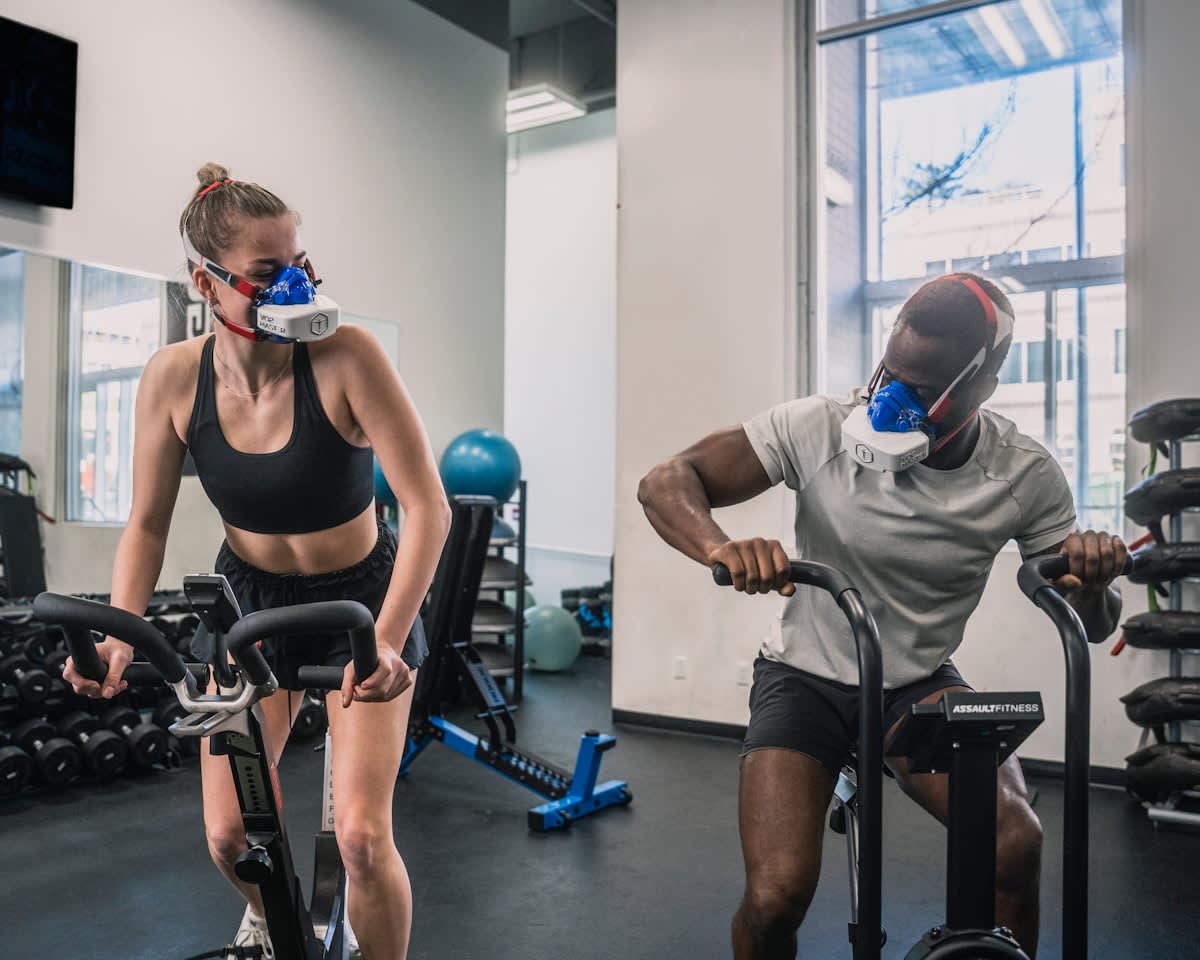
- Oxygen Manipulation: Utilizing hypoxic chambers (as seen at Manchester City’s facilities) to improve cardiovascular efficiency and altitude adaptation.
- Neurological Calming: Integrating meditation and mindfulness to shift the body from a sympathetic (fight or flight) state to a parasympathetic (rest and digest) state.
- Environmental Shielding: Wearing blue-light glasses after dark to ensure the brain signals the correct time for sleep.
- Sleep Optimization: Using an Oura ring to enforce a strict 10-hour sleep target, ensuring maximum hormonal repair.
The synergy of these tools is what creates the 'Viking machine' effect. The hypoxic chamber improves the blood's ability to carry oxygen, the thermal cycling manages inflammation, and the 10-hour sleep window provides the window for deep tissue repair and cognitive consolidation. This is not about any single tool, but the cumulative effect of a ritual that treats the body as a high-performance engine requiring specific maintenance.
Common Pitfalls in the Recovery Process
Even with the right tools, many fail because they misunderstand the nature of adaptation. The most dangerous trap is the belief that more recovery tools equal more progress. Recovery is a means to an end, not the end itself. If you spend more time in the cryotherapy chamber than you do pushing your physical limits, you aren't recovering—you are simply stagnating.
- The Linear Trap: Attempting to increase load every single session without incorporating the 'down' cycles used by coaches like Aaron Glenn.
- Tool Dependency: Relying on massage guns or ice baths to 'mask' pain that is actually a signal of systemic overtraining.
- Sleep Neglect: Investing in expensive tech while failing to hit the basic 8-10 hour sleep window required for neuromuscular repair.
- Ignoring Plateaus: Failing to switch from hypertrophy to power phases, leading to stalled progress in elite-level athletes.
True performance gains happen in the gap between the stressor and the restoration. By quantifying your volume, periodizing your training, and executing a rigorous restoration stack, you stop fighting against your body's limits and start engineering them. The ceiling isn't fixed; it's just waiting for the right recovery blueprint to break through.