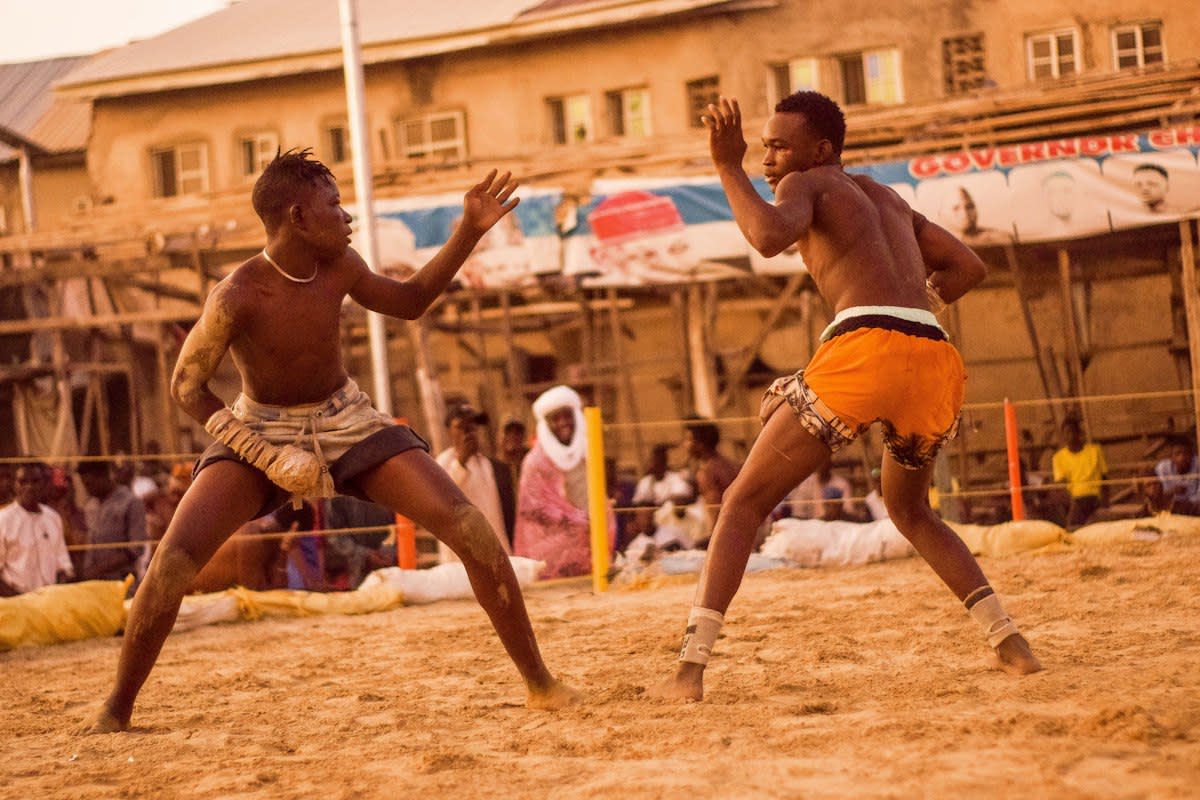
The gold is fake. While the world celebrates Diatta and Diop for their historic wins at Dakar 2026, the actual cost is the erasure of a thousand-year-old legal system (Source: Karlobag, 2026). The Olympic rules kill the spirit of the sand. Does a medal matter if the meaning vanishes? When a sport moves from the beach to the stadium, it stops being a tool for community mediation and starts being a product for global consumption. This is a hollow victory.
Law is not written. In the coastal villages of Senegal, laamb serves as a living constitution where the grip of a wrestler defines the social standing of an entire lineage. It is a visceral governance. By imposing international rules, the Olympic committee removes the cultural weight that makes the bout a legal event. They trade ancestral authority for a stopwatch. The result is a sterile competition.
"Beach wrestling in the Olympic programme is conducted according to international rules and weight categories and should be distinguished from all forms of traditional laamb."— Associated Press, cited in Karlobag (2026)
The Weight of Tradition
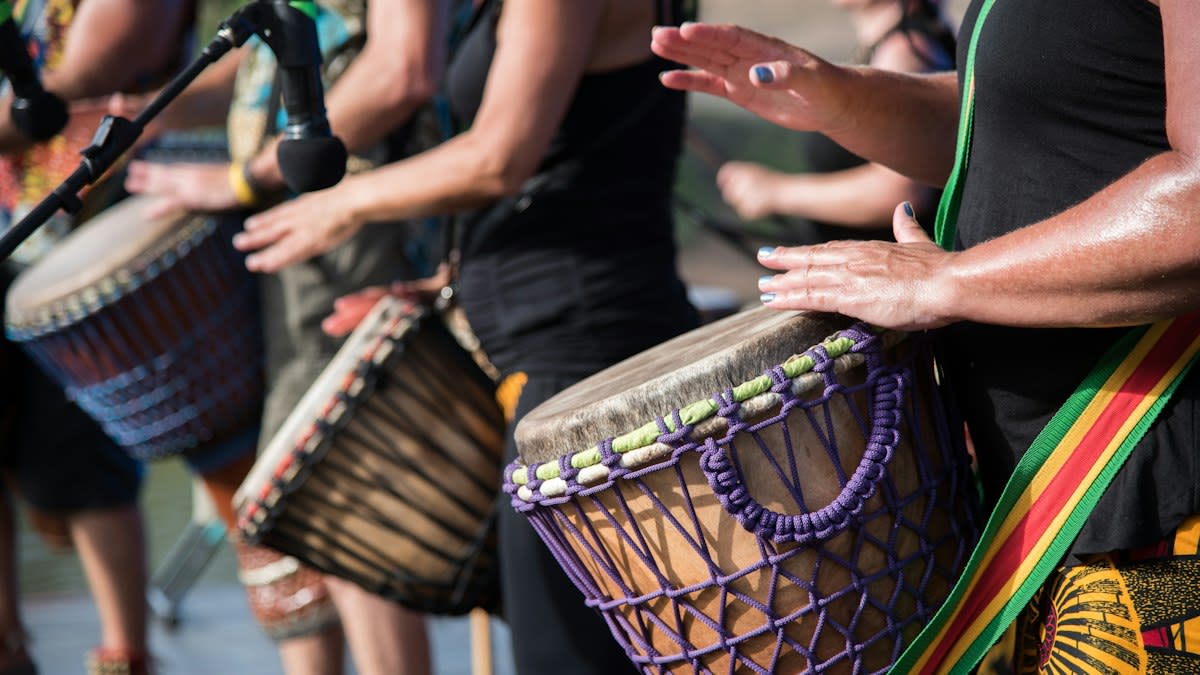
Drums dictate the law. The sound of traditional sabar drums does not just provide a beat but signals the spiritual readiness and the moral alignment of the combatants (Source: Karlobag, 2026). Music is the judge here. Without these rhythms, the wrestler is a mere athlete instead of a community representative. He loses his connection to the soil. The bout becomes a game.
| Feature | Traditional Laamb | Olympic Beach Wrestling |
|---|---|---|
| Primary Goal | Community Standing & Ritual | Medal & Ranking |
| Regulatory Framework | Village Law & Custom | International Federation Rules |
| Atmosphere | Sabar Drums & Dance | Standardized Sporting Venue |
| Athlete Classification | Social Role/Lineage | Strict Weight Categories |
Rules are now rigid. The introduction of weight categories ignores the traditional belief that a wrestler's power comes from spiritual alignment rather than kilograms of muscle. This is a structural break. It forces the athlete to starve or bulk based on a chart created in a distant office. The village loses its voice. The body becomes a metric.
The Invisible War for the Sand
Purists hate the clock. I have watched the heated arguments between the village elders, who demand the bout last until a spiritual resolution is reached, and the Olympic coaches who scream about round timers. It is a bitter fight. The elders view the timer as a colonial tool that chops the sacred ritual into manageable, sellable segments for television. The coaches see the elders as obstacles to professionalization. Neither side yields an inch.
Tradition resists the mold. This tension mirrors the struggle seen in Japanese Sumo, where the pressure to modernize often clashes with the rigid demands of ancestral purity. It is a global pattern. When the West standardizes a sport, it removes the local 'law' that gave the activity its original purpose. The sport survives but the meaning dies. We are witnessing a cultural theft.
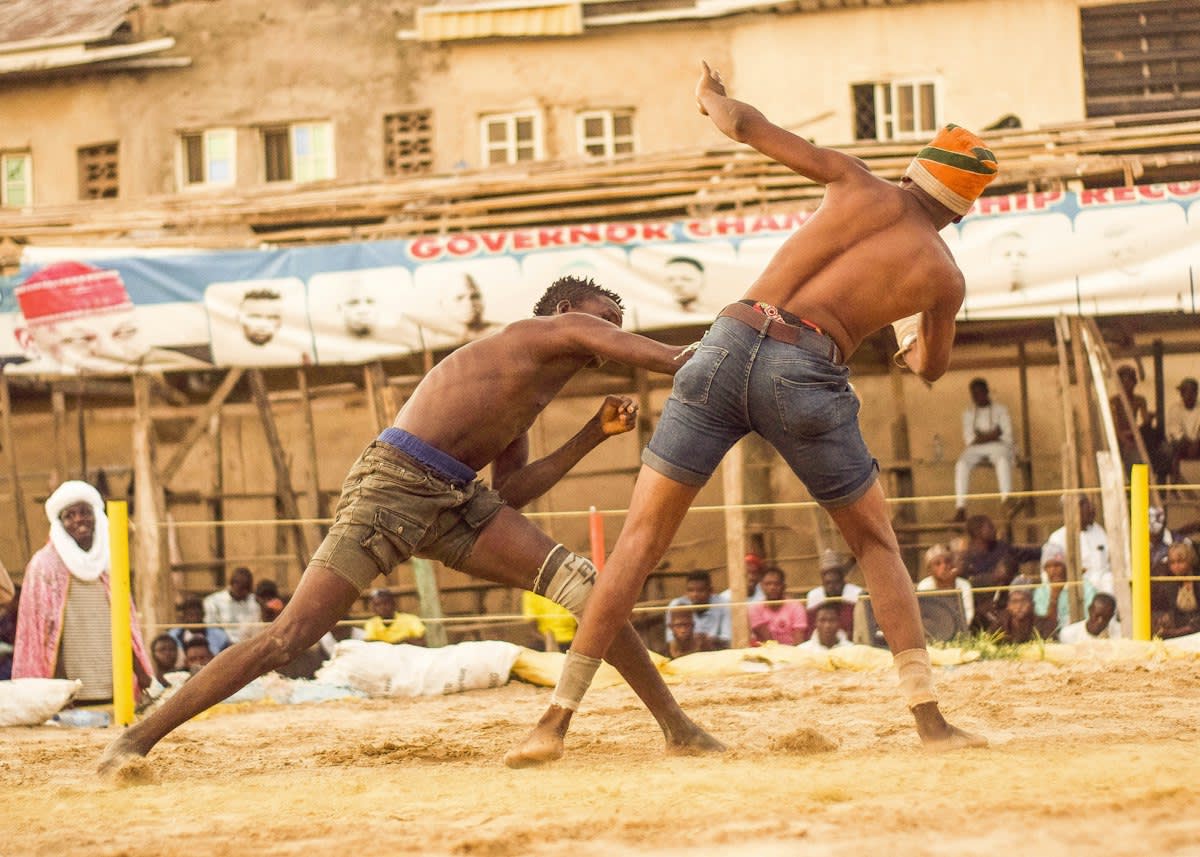
Scale changes the game. Professional bouts in Senegal attract thousands of spectators to stadiums, turning the wrestling ring into a public forum for social negotiation (Source: Karlobag, 2026). The crowd is the jury. In the Olympic format, the spectator is reduced to a passive observer of a technical exercise. The dialogue between the wrestler and his people is severed. The stadium becomes a vacuum.
The Cost of Global Acceptance
Legitimacy has a price. To win gold in Dakar 2026, Diatta and Diop had to operate within a system that views their culture as a backdrop rather than a foundation. This is a hard turn. The Olympic committee accepts the dance and the drums as 'color' but rejects them as 'rules'. They want the aesthetic without the authority. The culture is a costume.
Governance is now external. Village law used to decide who was fit to lead based on their performance in the sand. Now, a committee in Switzerland decides the parameters of success for a Senegalese man. This is a profound loss. The local community no longer owns the criteria for greatness. The center has shifted. The village is silent.
Success is a trap. The more Senegal wins in the Olympic format, the more the youth will abandon the traditional laamb to chase the global prestige of the beach wrestling circuit. This is a dangerous path. They will forget how to negotiate village disputes through the bout. They will learn only how to win a medal. The social glue dissolves.
Fact-Check & Accuracy Note
The primary source for the Dakar 2026 results is Karlobag (2026), which references Associated Press reporting. There is an ongoing academic debate regarding whether 'beach wrestling' can ever truly represent 'laamb' given the fundamental difference between ritual governance and sporting regulation.
Editorial Note
This analysis takes a contrarian view of the Dakar 2026 gold medals, arguing that sporting success in a standardized format leads to the erosion of local customary law.
The sand remembers. We must ask if the prestige of the Olympic ring is worth the death of the village code. It is a steep price. Until the international community accepts the ritual as the rule, these gold medals remain symbols of surrender. We must protect the drums. The grip must remain local.