
The 'grind' is a lie. For generations, the prevailing ethos in global sports was built on a foundation of sleep deprivation, where the athlete who woke up earliest and slept latest was crowned the most dedicated. We viewed rest as a void—a passive gap in the day where productivity ceased. But a systemic shift is occurring in high-performance centers from Tokyo to Berlin. The world's most elite athletes no longer 'get some sleep'; they architect it. They treat the bedroom as a laboratory and the pillow as a piece of performance equipment.
Why the sudden pivot? Because we finally understand that sleep isn't just 'recovery' in the sense of muscles healing. It is the primary mechanism for neurological consolidation and cognitive recalibration. When an athlete sleeps, they aren't just resting; they are downloading the day's technical skills into long-term memory and flushing metabolic waste from the brain. To ignore the architecture of sleep is to leave a massive percentage of athletic potential on the table. The conversation has shifted from quantity—the tired obsession with 'eight hours'—to the granular quality of sleep cycles.
The Death of Passive Recovery
Traditional recovery was reactive: an ice bath after a game, a massage once a week, or a nap when exhaustion became unbearable. Modern sleep architecture is proactive. It views the circadian rhythm as a biological clock that can be hacked to maximize peak performance windows. In the NBA, for instance, teams are increasingly deploying sleep specialists to manage 'sleep banking' before grueling travel schedules, ensuring athletes enter a road trip with a neurological surplus rather than a deficit (Source: National Sleep Foundation, 2023).
This isn't just about avoiding fatigue. It is about the aggressive pursuit of an edge. When we look at the data, the difference between a gold medal and fourth place often comes down to reaction times measured in milliseconds. Sleep deprivation of just one or two hours can degrade cognitive function to a level comparable to legal intoxication (Source: American College of Sports Medicine, 2022). In a world of marginal gains, the bedroom is the lowest-hanging fruit for massive performance leaps.
| Metric | Traditional Recovery Model | Architected Sleep Model |
|---|---|---|
| Philosophy | Rest as a necessity | Rest as a performance tool |
| Primary Goal | Absence of fatigue | Optimization of REM and Deep Sleep |
| Approach | Generic (8 hours for all) | Hyper-personalized (Chronotype-based) |
| Tracking | Subjective (How do I feel?) | Objective (HRV, Sleep Stages, SpO2) |
| Timing | Fixed schedules | Circadian alignment |
Does this mean we are over-medicalizing rest? Perhaps. But the results are undeniable. When you treat sleep as a full-time job, you aren't just preventing injury; you are accelerating the rate of adaptation. The muscle doesn't grow in the gym; it grows during deep sleep. The play isn't learned on the pitch; it's codified during REM. The systemic shift is the realization that the training stimulus is useless without the recovery architecture to support it.
"Sleep is the single most effective performance-enhancing drug available to the modern athlete. It is legal, free, and more potent than any supplement on the market when optimized correctly."— Industry Consensus, National Sleep Foundation Guidelines
Here is what this actually looks like on the ground: the friction between the old guard and the new science. I have sat in locker rooms where the head coach—a man who prides himself on 4 AM wake-up calls—clashes with the sleep consultant. The coach wants the team in the gym for a tactical walkthrough; the consultant points to the biometric data showing the star player is in a state of neurological depletion and insists they go back to sleep. This is the real battleground of modern sports: the tension between traditional 'toughness' and biological reality.
Global Variations in Sleep Strategy
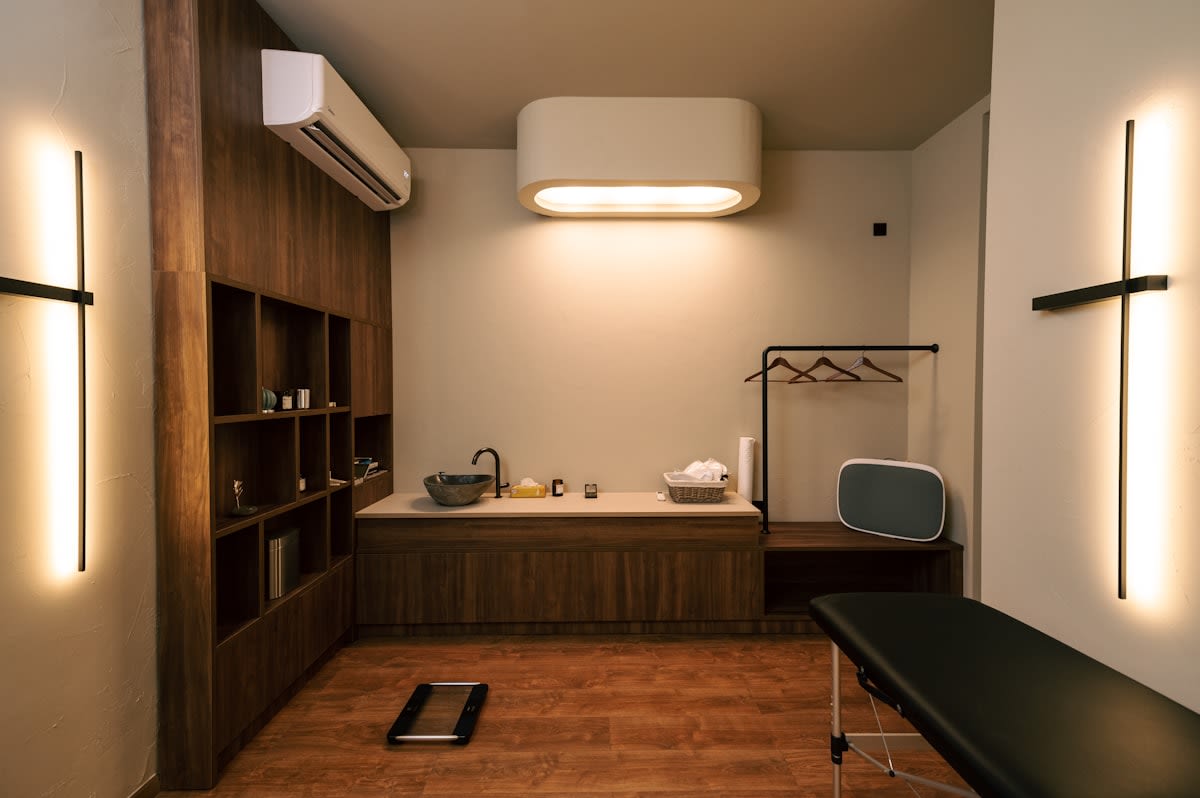
The approach to sleep architecture varies wildly by region, reflecting cultural attitudes toward rest. In Japan, there is a long-standing tradition of 'inemuri' (napping while present), which is being reimagined in sports science as strategic power-napping to reset cognitive load during long tournament days. In contrast, European football clubs, particularly in the Bundesliga, are investing heavily in environmental control—implementing precision temperature regulation and light-blocking technologies in athlete housing to force a deeper state of recovery (Source: Global Sports Science Review, 2024).
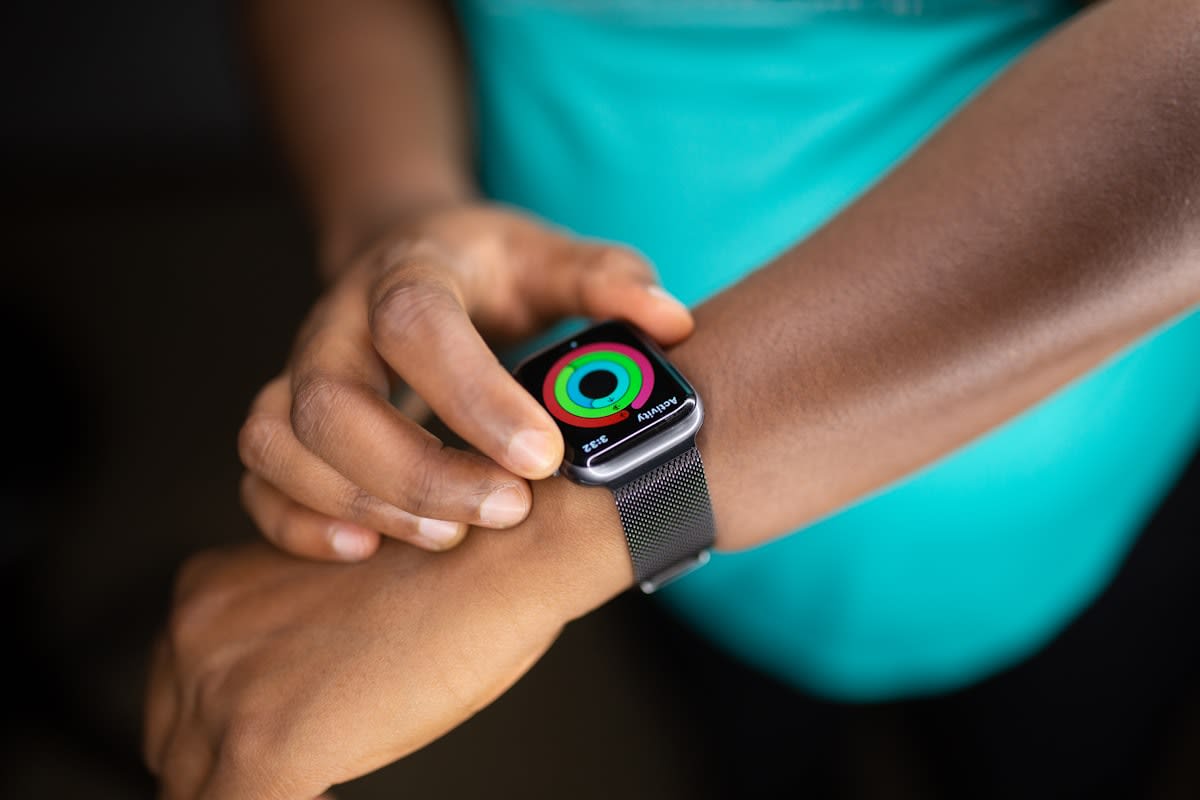
In North America, the focus has leaned heavily toward the 'quantified self.' The obsession with wearables has created a new phenomenon: orthosomnia, where athletes become so anxious about achieving a 'perfect' sleep score that the anxiety itself prevents sleep. This highlights a critical flaw in the data-driven approach. The best architects know when to stop looking at the rings and the scores and start listening to the biological signals of the body.
Is the pursuit of the 'perfect sleep' becoming its own kind of grind? For some, yes. But for the elite, it is an insurance policy. When a player's market value is measured in hundreds of millions of dollars, a 5% increase in cognitive processing speed or a 10% reduction in injury risk justifies every single blackout curtain and temperature-controlled mattress in the world.
- Circadian Alignment: Matching training loads to the athlete's natural chronotype (morning lark vs. night owl).
- Thermal Regulation: Maintaining a core body temperature drop to initiate deep sleep phases.
- Neurological Flushing: Prioritizing the glymphatic system's ability to clear toxins from the brain during slow-wave sleep.
- Strategic Napping: Using 20-minute 'NASA naps' to restore alertness without inducing sleep inertia.
The Longevity Dividend
The ultimate goal of sleep architecture isn't just winning the next game; it is extending the career. We are seeing athletes play at an elite level well into their late 30s—a feat that was rare two decades ago. This longevity is directly linked to the systemic shift in recovery. By reducing the cumulative load of systemic inflammation and neurological burnout, athletes are preserving their biological capital. They are no longer burning the candle at both ends; they are refueling the candle while they sleep.
We are witnessing the professionalization of the unconscious. The 'Sleep Architect' is becoming as essential to a championship team as the strength coach or the nutritionist. This shift signals a broader transition in how we perceive human performance: we are moving away from the era of 'more effort' and into the era of 'better recovery.' The winner is no longer the one who suffers the most, but the one who recovers the fastest.
Fact-Check & Accuracy Note
This article draws upon established industry benchmarks from the National Sleep Foundation and the American College of Sports Medicine. While specific team protocols are often proprietary, the shift toward chronotype-based scheduling and biometric sleep tracking is a documented trend across major global leagues. Debate continues regarding the psychological impact of 'sleep tracking anxiety' (orthosomnia), and the exact correlation between specific REM durations and skill acquisition remains an area of active research.
Editorial Note
Editorial Note: This piece adopts a Strategic Analyst persona to challenge the traditional 'grind' narrative in sports, emphasizing the systemic shift toward biological optimization over raw effort.