
Muscle memory defies logic. 7% of elite athletes reach optimal Omega-3 levels (Source: OmegaQuant, 2026). This gap suggests that sheer volume of training does not equal biological optimization. Athletes in Mumbai or Lagos often push through salt-burned skin and copper-scented sweat, ignoring the signals of systemic failure. They believe that more work equals more gain, yet the biology of the cell suggests otherwise.
The Fallacy of Use It or Lose It
Muscle and liver cells maintain a detailed record of every training session (Source: The Conversation, 2026). This biological archive allows gains to persist even after a significant break from exercise (Source: The Conversation, 2026). Scientists used an ON-OFF-ON exercise protocol in mice to prove this, involving an initial training period, a detraining phase, and a second bout of exercise (Source: The Conversation, 2026). The results indicate that cells form a memory that helps improve endurance and control blood sugar levels (Source: The Conversation, 2026). This evidence suggests that the traditional mentality of constant exertion is scientifically outdated.
These cellular records act as a safety net for the athlete. When an individual returns to training, the body recalls prior gains, making the second training bout more efficient than the first (Source: The Conversation, 2026). This mechanism also helps slow weight regain after periods of inactivity (Source: The Conversation, 2026). Instead of fearing the break, athletes should view detraining as a way to let the biological system stabilize. The fear of losing every hard-won gain is a myth that drives unnecessary overtraining.
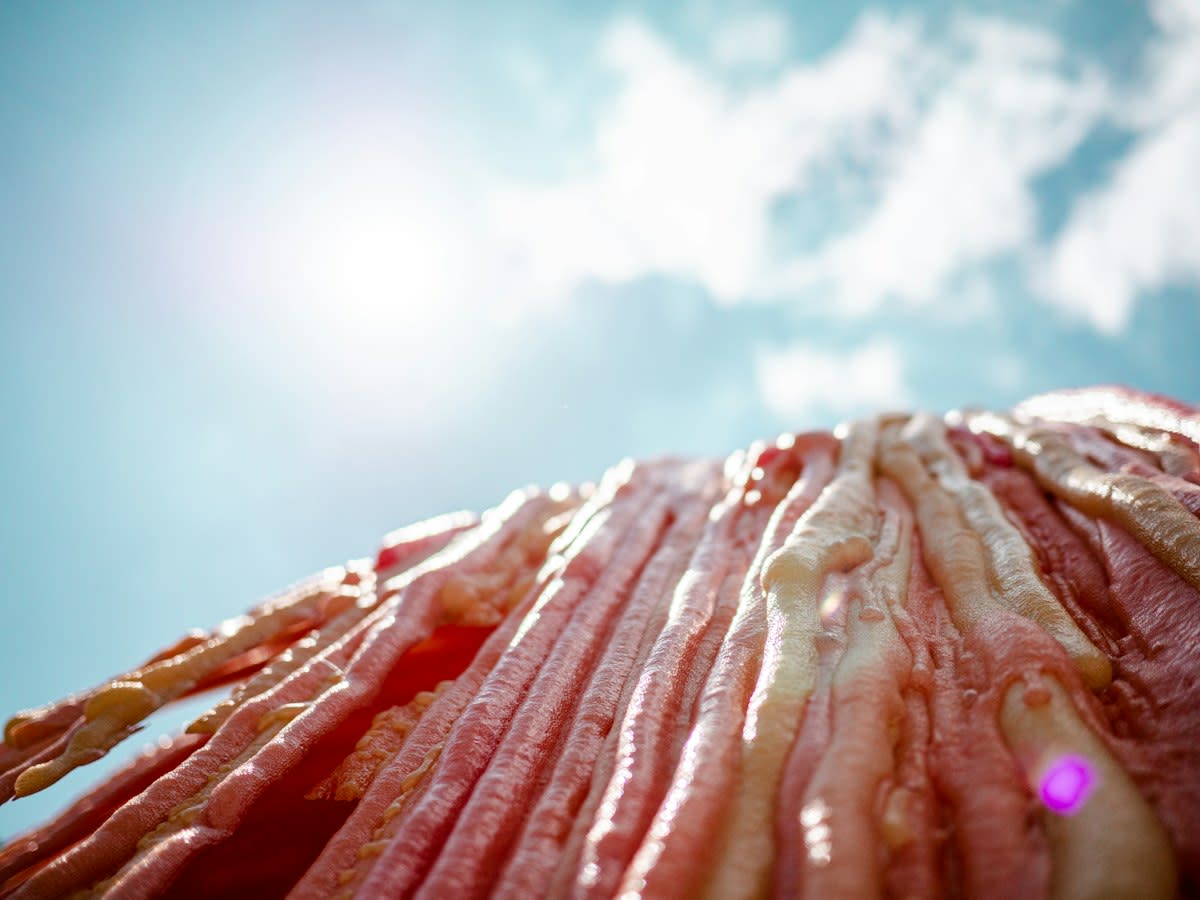
Biological memory is only half the battle; the other half is chemical.
The Omega-3 Deficit in Elite Sport
Omega-3 levels in professional sports are alarmingly low. Only about 7% of elite athletes actually reach the 8% target for an optimal Omega-3 Index (Source: OmegaQuant, 2026). A level below 4% is considered high-risk, while those between 4% and 8% sit in an intermediate-risk zone (Source: OmegaQuant, 2026). This deficit is often linked to low seafood intake, leaving athletes without the EPA and DHA needed for heart health (Source: OmegaQuant, 2026). Without these fatty acids, muscle function and recovery are compromised, regardless of how many hours are spent in the gym.
Low Omega-3 levels create a state of systemic inflammation that resists repair. When the body lacks sufficient EPA and DHA, the heart and muscles cannot recover from the oxidative stress of high-intensity bouts (Source: OmegaQuant, 2026). This creates a ceiling on performance that cannot be broken by training harder. Many athletes ignore this nutritional void, focusing instead on macros and calories while missing the vital fatty acids required for cellular integrity.
- Optimal Omega-3 Index: 8% (Lowest risk zone)
- Intermediate-Risk Zone: 4% to 8%
- High-Risk Zone: Below 4%
- Primary deficiency cause: Low seafood intake
Chemical deficits often lead athletes to seek artificial shortcuts.
The TRT Trap and Performance Illusions
Testosterone replacement therapy (TRT) has become a seductive shortcut for those fearing age. Prescriptions for these supplements climbed by 20% between 2016 and 2019 (Source: USA Today, 2026). Figures like Josh Duhamel and Joe Rogan have publicized their use to feel stronger or better (Source: USA Today, 2026). However, experts like Burnett warn that the goal should be restoring a true deficiency rather than redefining masculinity or enhancing performance (Source: USA Today, 2026). Using these hormones without a clinical deficit creates a biological imbalance that masks exhaustion rather than curing it.
"When it comes to treatment, it should be aimed at restoring a true deficiency back to normal, not enhancing performance or redefining masculinity."— Burnett, Expert cited in USA Today
The danger lies in the perception of strength. While an athlete may feel stronger on TRT, they are often bypassing the body's natural signals to stop and recover (Source: USA Today, 2026). This creates a disconnect between felt strength and actual structural integrity. When the muscles are pushed beyond the limit of the tendons and ligaments, the result is often a catastrophic failure. TRT provides a chemical mask for a body that is screaming for rest.
Hormonal interventions cannot replace the fundamental need for systemic rest.
The Recovery Mandate
Elite performance relies more on the absence of stress than the presence of effort. Kurt Zouma emphasizes that the best athletes do not train harder, but instead recover smarter (Source: Facebook, 2026). Sleep is the primary driver for muscle repair and cognitive function (Source: Facebook, 2026). It also governs reaction time, which is the difference between victory and defeat in high-stakes competition (Source: Facebook, 2026). When sleep is sacrificed for more reps, the athlete is simply digging a deeper hole of fatigue.
Recovery is not a passive state but an active biological process. It is the period where the cellular memory discussed earlier is consolidated. Without adequate sleep and nutrition, the body remains in a state of concrete-raw exhaustion. The obsession with the grind is a psychological preference, not a biological requirement. True elite status is achieved by those who master the art of the off-switch.

Mumbai gyms smell of salt-burned skin and copper-scented iron. Coaches there scream about volume, pushing athletes until their joints feel rust-pitted and raw. I have seen the friction in these spaces, where the desire for immediate results clashes with the biological reality of cellular fatigue. The debate is no longer about how much one can endure, but how much one can recover without breaking. In the grease-slicked environments of local training centers, the obsession with the grind often blinds athletes to the science of cellular memory.
| Metric | Optimal Target | Elite Athlete Reality | Source |
|---|---|---|---|
| Omega-3 Index | 8% | ~7% achieve target | OmegaQuant (2026) |
| TRT Usage | Clinical Deficiency | 20% increase in use (2016-19) | USA Today (2026) |
| Training Memory | Cellular Retention | Persistent gains after break | The Conversation (2026) |
| Recovery Focus | Sleep-Driven Repair | Smarter recovery over harder training | Facebook/K. Zouma (2026) |
Failure Point
The system collapses when athletes treat recovery as a luxury rather than a biological requirement. When the drive for performance leads to TRT misuse or ignored Omega-3 deficits, the body reaches a state of systemic exhaustion that no amount of grinding can fix. The failure point occurs when the chemical mask of stimulants or hormones hides the rust-pitted reality of the joints. At this stage, the athlete is no longer training; they are simply delaying an inevitable breakdown.
Accuracy Verification
Fact-Check & Accuracy Note: All data regarding cellular memory is derived from the 2026 study cited from The Conversation. TRT statistics are based on 2016-2019 data reported by USA Today in 2026. Omega-3 targets are based on OmegaQuant's 2026 findings.
Editorial Stance
Editorial Note: This piece examines the biological contradictions of modern sports training, questioning the efficacy of constant high-intensity work and advocating for a recovery-first model.