IndiGo plane damaged by lightning strike, makes safe landing in Lucknow
Source Entity
The Indian Express
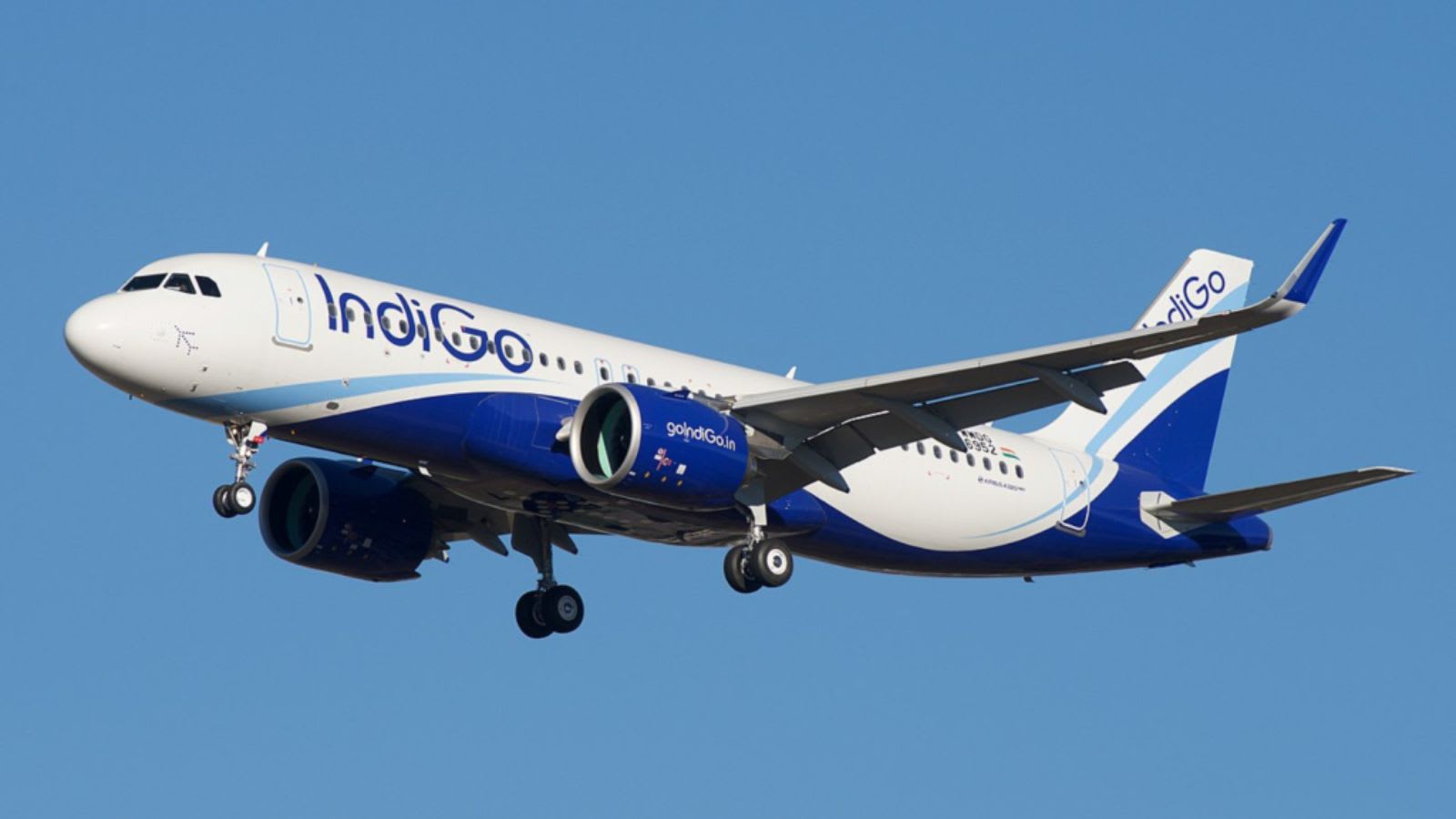
An IndiGo flight from Patna to Lucknow sustained nose damage after a suspected lightning strike during its journey. All 110 passengers and crew members landed safely, and the aircraft is currently undergoing a technical inspection.
Incident Overview: Lightning Strike on IndiGo Flight 6E925
On Wednesday, October 7, 2026, an IndiGo aircraft operating flight 6E925 from Patna to Lucknow encountered a mid-air incident involving a suspected lightning strike. While initial reports varied regarding whether the landing was an 'emergency' or a 'normal' arrival, official confirmations clarify that the aircraft landed safely at Lucknow airport with all 104 passengers and six crew members remaining unharmed. The damage, specifically localized to the aircraft's nose radome, was identified by ground personnel after the plane had taxied to its parking bay.
Technical Implications of Radome Damage
The nose section of a commercial aircraft houses the weather radar, which is protected by a structure known as the radome. When an aircraft is struck by lightning, the electrical discharge often travels across the fuselage and exits through another point, frequently causing localized thermal or structural damage to the radome's composite material. In this instance, the fact that the aircraft landed eight minutes ahead of schedule suggests that the flight systems remained functional throughout the remainder of the descent, and the structural integrity of the fuselage was not compromised to a degree that would necessitate an emergency declaration.
Safety Protocols and Operational Procedures
Following the identification of the damage, the aircraft was declared 'Aircraft on Ground' (AOG). This is a standard aviation industry procedure used to ensure that a damaged asset is removed from service until a comprehensive technical inspection and necessary repairs are completed. By grounding the aircraft, IndiGo and airport authorities are adhering to strict safety protocols mandated by aviation regulators. The Directorate General of Civil Aviation (DGCA) has been notified, which is the required step to ensure that the incident is documented and analyzed for potential safety improvements.
The Role of Lightning Protection in Aviation
Modern commercial aircraft are designed with Faraday cage principles, which allow them to safely dissipate the high-voltage energy of a lightning strike. While lightning strikes are relatively common in aviation—with most commercial planes being struck at least once or twice a year—the damage is typically limited to small entry and exit points. The IndiGo flight's ability to complete its journey without incident highlights the effectiveness of these engineering safeguards, ensuring that the primary flight controls and navigation systems remain protected from electrical surges.
Future Trends and Maintenance Oversight
As the investigation proceeds, the focus will shift toward a full technical assessment of the radome and the internal radar components. Future trends in aviation maintenance are increasingly relying on enhanced diagnostic tools to detect even micro-fractures in composite materials following such environmental encounters. This incident serves as a reminder of the rigorous oversight required in regional air travel, where weather patterns can be unpredictable. The prompt detection of the nose damage underscores the importance of post-flight inspections conducted by ground crews, which remain the first line of defense in maintaining high safety standards across the industry.
Multiple Citing Sources