Co-Pilot Moved To Morocco After Oman Grounding, But Still Not Cleared To Fly
Source Entity
NDTV News Search Records Found 1000
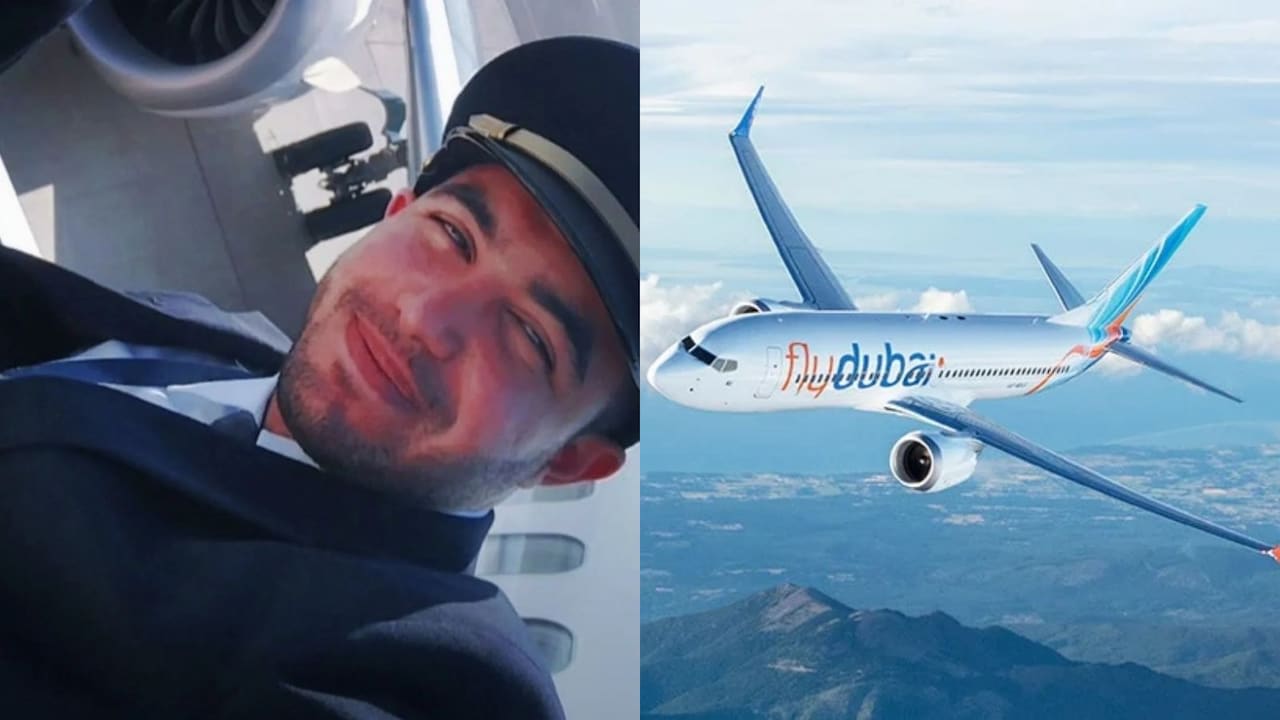
Royal Air Maroc has confirmed that a co-pilot remains grounded following a failed application process after a training period in Oman. The individual has been relocated to Morocco, but currently lacks authorization to resume flight duties.
Status Update: Royal Air Maroc Co-Pilot Grounding
Recent reports have clarified the professional standing of a Royal Air Maroc co-pilot who was previously grounded during operations in Oman. The airline has officially confirmed that the pilot’s application was rejected following the conclusion of a mandatory training period, a standard yet critical phase in aviation certification and employment.
The Implications of Training Failures
In the aviation industry, the transition from a training environment to active line flying is governed by stringent safety protocols. When an airline like Royal Air Maroc turns down an application post-training, it reflects a rigorous adherence to competency standards. This ensures that every member of the flight deck meets the high-level technical and procedural requirements necessary to maintain air safety, particularly when transitioning between international jurisdictions like Oman and Morocco.
Logistical Shifts and Regulatory Oversight
While the co-pilot has been successfully relocated to Morocco, the lack of flight clearance underscores the regulatory hurdles involved in international aviation employment. Relocation does not equate to reinstatement; rather, it indicates a shift in the administrative handling of the individual's file. The pilot remains under the purview of Royal Air Maroc’s internal review processes, which must align with both domestic Moroccan aviation authorities and international standards.
Safety Culture in Commercial Aviation
This incident highlights the importance of the 'check-ride' and training evaluation phase. Airlines often utilize overseas training facilities to optimize their fleet operations, but the final sign-off rests with the carrier. By denying the application, the airline is prioritizing its safety management system, ensuring that only personnel who have fully mastered the aircraft’s systems and the company's operational philosophy are permitted to occupy the cockpit.
Looking Ahead: Future Trends
Moving forward, the industry is likely to see an increase in the scrutiny of training outcomes as global pilot shortages drive the need for more efficient, yet robust, certification pathways. For the pilot in question, the future remains uncertain, contingent upon further evaluations or potential retraining efforts. Royal Air Maroc’s decision serves as a reminder that in commercial aviation, operational status is never guaranteed until all performance benchmarks are met.
Conclusion
In summary, the situation remains a matter of internal human resources and safety compliance for Royal Air Maroc. The co-pilot’s grounding is a direct result of failing to meet specific post-training criteria. As the airline continues to manage this individual's status within Morocco, the focus remains on maintaining the highest standards of flight safety and regulatory compliance.
Verification Required?