
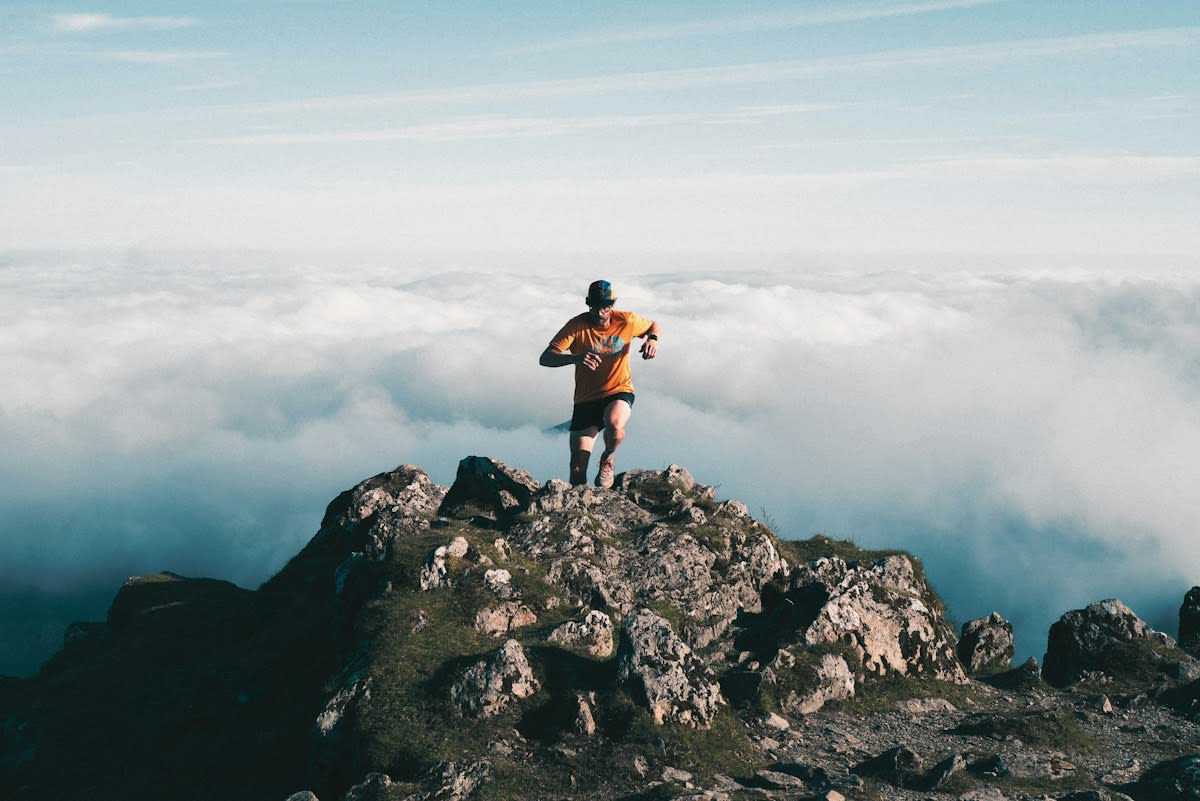
Does more data actually make you faster? We have been told for a decade that biometric saturation is the only path to the podium. It is a lie. The obsession with raw monitoring has created a brittle environment where athletes are managed like spreadsheets rather than humans. While Olympic labs chase a ghost of absolute precision, the real gains are happening in the fray of the actual terrain. Look at the friction surrounding the Mount Kinabalu training centre project in Sabah, where indigenous groups are fighting to keep training rooted in the local environment rather than sterile, imported models (Source: Daily Express, 2026). The lab is hollow. The terrain is where the grip is found.
Prerequisites: Moving Beyond the Lab
To implement the Terrain Method, you must first strip away the illusion of the perfect metric. You do not need a million-dollar facility. You need a willingness to accept that group-level associations often fail to describe individual processes in repeated self-report data (Source: International Journal of Clinical and Health Psychology, 2026). This is the first collision every coach faces: the data says the athlete is recovered, but the athlete feels brittle.
- A critical audit of current biometric tools (Fitbits, Whoops, Oura).
- Access to context-dependent modulators like caffeine and targeted cannabinoids.
- AI-driven biomechanical screening tools for specific injury risks.
- A training environment that prioritizes environmental stress over climate-controlled stability.
Step-by-Step Implementation of the Terrain Method
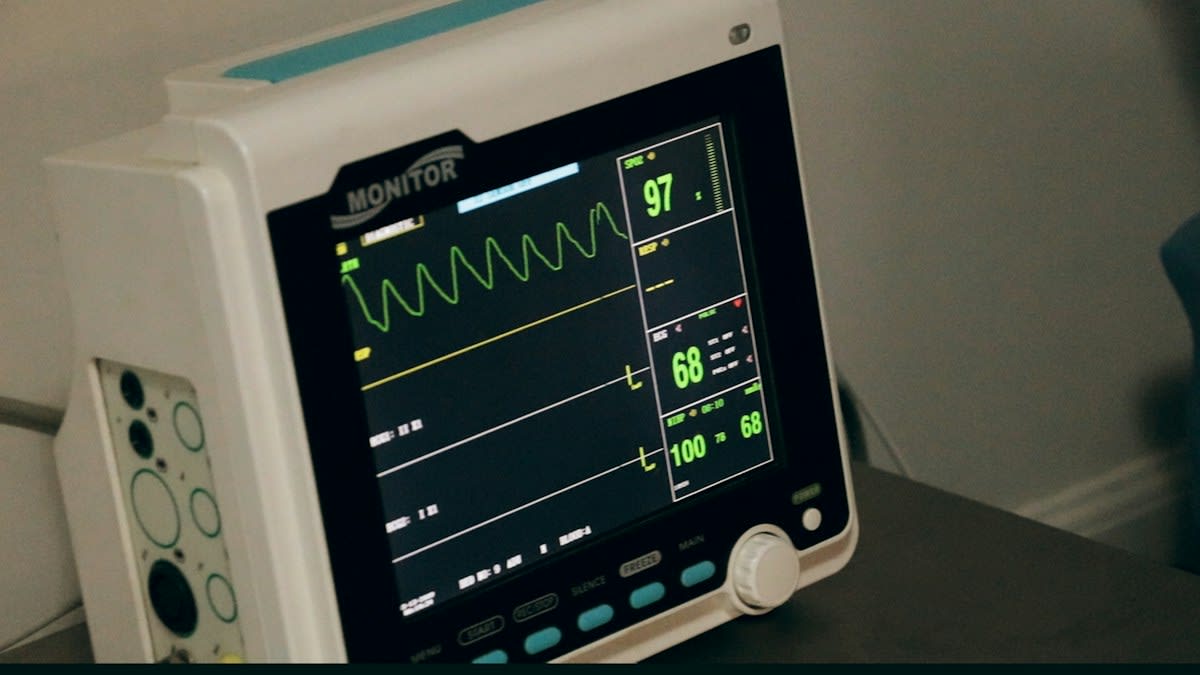
- Purge the False-Alert Noise: Stop using biometric models to flag or select athletes. Current models suffer from a discrimination and false-alert burden that provides no net benefit for training decisions (Source: International Journal of Clinical and Health Psychology, 2026). If your wearable tells you to rest but your athlete is peaking, trust the athlete. Person-specific centering is the only way to avoid the trap of stable between-player differences obscuring within-athlete change (Source: International Journal of Clinical and Health Psychology, 2026).
- Deploy Context-Dependent Modulators: Stop treating supplements as constants. Caffeine, for instance, acts as a context-dependent metabolic and perceptual modulator (Source: Frontiers, 2026). Its effect on recovery and performance changes based on the environment and the individual. You must test these modulators in the actual terrain where the athlete competes, not in a controlled lab.
- Suture Recovery to Specificity: Integrate real-world evidence from high-intensity disciplines. In Brazilian Jiu-Jitsu (BJJ), practitioners are utilizing topical cannabinoid therapy to manage chronic muscle pain and inflammation (Source: Cannabis Evidence, 2026). This is not about general wellness; it is about specific recovery for the rigorous demands of a high-intensity martial art. Use tools like the TQR scale and LEFS/UEFI to track functional capacity rather than relying solely on a heart-rate variability score (Source: Cannabis Evidence, 2026).
- Integrate Targeted AI Screening: Replace generalist labs with specific AI tools. Instead of a general biomechanics lab, use targeted AI like ServeSafe AI, which analyzes tennis serves specifically to screen for shoulder and elbow injury risk (Source: BetterMind Labs, 2026). This moves the analysis from a sterile lab to the court, providing actionable data on repetitive serving mechanics without the need for expensive motion-capture equipment (Source: BetterMind Labs, 2026).
The shift is not about abandoning science. It is about relocating it. When we look at the demands placed on BJJ practitioners—chronic inflammation and sleep disturbances—the solution is not more monitoring, but better recovery interventions like CBD Protab (Source: Cannabis Evidence, 2026). The focus moves from observing the failure to preventing it.
"The immediate practical implication is that the current models should not be used to flag or select athletes. Their discrimination and false-alert burden do not establish a net benefit for training decisions or welfare support."— International Journal of Clinical and Health Psychology, 2026
This is where the internal industry dispute ignites. I have sat in rooms where the sports scientist screams about the p-value of a biometric trend while the head coach points to an athlete who can barely stand. This is the friction of the modern era. The scientist is chasing a default setting; the coach is managing a human. The scientist sees a data point; the coach sees a fraying tendon. The Terrain Method sutures these two worlds by using AI for specific risks—like the ServeSafe AI model—while leaving the daily training load to the athlete's own perception and person-specific centering (Source: BetterMind Labs, 2026; International Journal of Clinical and Health Psychology, 2026).
Common Pitfalls to Avoid
The biggest mistake is the belief that a Fitbit Inspire 2 or similar wearable provides a complete picture of recovery (Source: Cannabis Evidence, 2026). These devices are useful for data collection, but they are not the decision-maker. Another failure is the application of group-level associations to individual athletes. If a study says caffeine improves performance for 70% of people, assuming it will work for your specific athlete in a high-altitude environment is a mechanical failure in logic (Source: Frontiers, 2026; International Journal of Clinical and Health Psychology, 2026).
- Relying on raw biometric alerts to bench an athlete.
- Ignoring the ethical concerns of biometric monitoring, including privacy and coercion (Source: International Journal of Clinical and Health Psychology, 2026).
- Using a one-size-fits-all recovery protocol instead of context-dependent modulators.
- Prioritizing lab-based biomechanics over real-world AI analysis.
Fact-Check & Accuracy Note
The debate over biometric validity is ongoing. While some argue that high-frequency data is essential for injury prevention, the International Journal of Clinical and Health Psychology (2026) highlights that the 'false-alert burden' often outweighs the benefits. The academic conflict centers on whether 'person-specific centering' can actually solve the noise problem or if the tools themselves are fundamentally too brittle for elite sports.
Success in the modern era requires a hard turn away from the sterile. Whether it is the fight for indigenous training rights in Sabah or the adoption of targeted CBD therapy in Brazilian BJJ, the trend is clear: the most effective training happens when the science is woven into the terrain, not imposed upon it.