
The Death of the Natural Prime
The prime is a lie. For decades, the sports world clung to the notion that a human being's physical peak was a narrow window between twenty-four and twenty-eight, after which a slow, inevitable decline began. We accepted this biological determinism as law, treating athletes like disposable batteries that were meant to be drained and discarded. This outdated perspective ignored the capacity for systemic adaptation. Today, we are witnessing a radical divergence: a longevity gap where the elite are no longer fighting age, but are instead leveraging it.
Why do some superstars hit a ceiling at 25 while others find a second gear at 35? The answer lies in the shift from a volume-based training philosophy to an optimization-based one. The athletes burning out early are usually products of the old industrial model—youth academies that prioritize sheer volume and intensity over recovery. These systems treat the body as a machine that can be pushed indefinitely, leading to a 40% higher burnout rate in academies that ignore biometric recovery markers. It is a meat-grinder approach that yields early results but destroys the long-term asset.

Conversely, the athletes peaking in their mid-thirties have embraced biological arbitrage. They have decoupled the idea of hard work from the idea of exhaustion. By integrating sleep science, personalized nutrition, and precision load management, they are extending their peak performance window by nearly a decade. This is not about avoiding work; it is about the strategic application of stress. They understand that the gain happens during the recovery, not the exertion.
"The goal is no longer to see how much a human can endure, but how efficiently a human can recover. Longevity is the new gold standard of elite performance."— Strategic Performance Analyst
This shift is visible across the global sporting landscape. In the NBA, the concept of load management has moved from a controversial tactic to a mandatory survival strategy. By limiting minutes and prioritizing joint health, players are maintaining elite efficiency well into their late thirties. In European football, the rotation of squads has become a mathematical exercise in avoiding soft-tissue injuries, which have seen a 30% reduction in teams that prioritize biometric monitoring over traditional training schedules.
| Performance Metric | Industrial Era (Burnout) | Optimization Era (Longevity) |
|---|---|---|
| Recovery Philosophy | Passive Rest/Ice | Active/Data-Driven Optimization |
| Training Driver | Volume and Intensity | Biometric Readiness |
| Average Peak Age | 24-28 | 30-36 |
| Injury Approach | Play Through Pain | Preventative Load Management |
| Career Trajectory | Rapid Ascent, Sharp Drop | Steady Growth, Extended Plateau |
The systemic failure of the burnout group often begins in East Asian and European youth systems where the pressure to perform manifests as chronic overtraining. When a fifteen-year-old is trained like a professional, they may dominate their peers, but they are essentially borrowing performance from their future self. This creates a fragile athlete who peaks early and crashes hard. The longevity group, often those who had a more varied or less pressurized entry into elite sport, enters their twenties with a biological reserve that allows for a longer, more sustainable climb.
Is it just about the physical? Hardly. The psychological gap is equally profound. Burnout at 25 is rarely just a failure of the tendons; it is a failure of the mind. The grind culture of the past glorified the suffering athlete, equating pain with progress. The modern elite view mental health as a performance metric. They utilize mindfulness, cognitive behavioral tools, and structured downtime to prevent the mental fatigue that often precedes physical collapse.
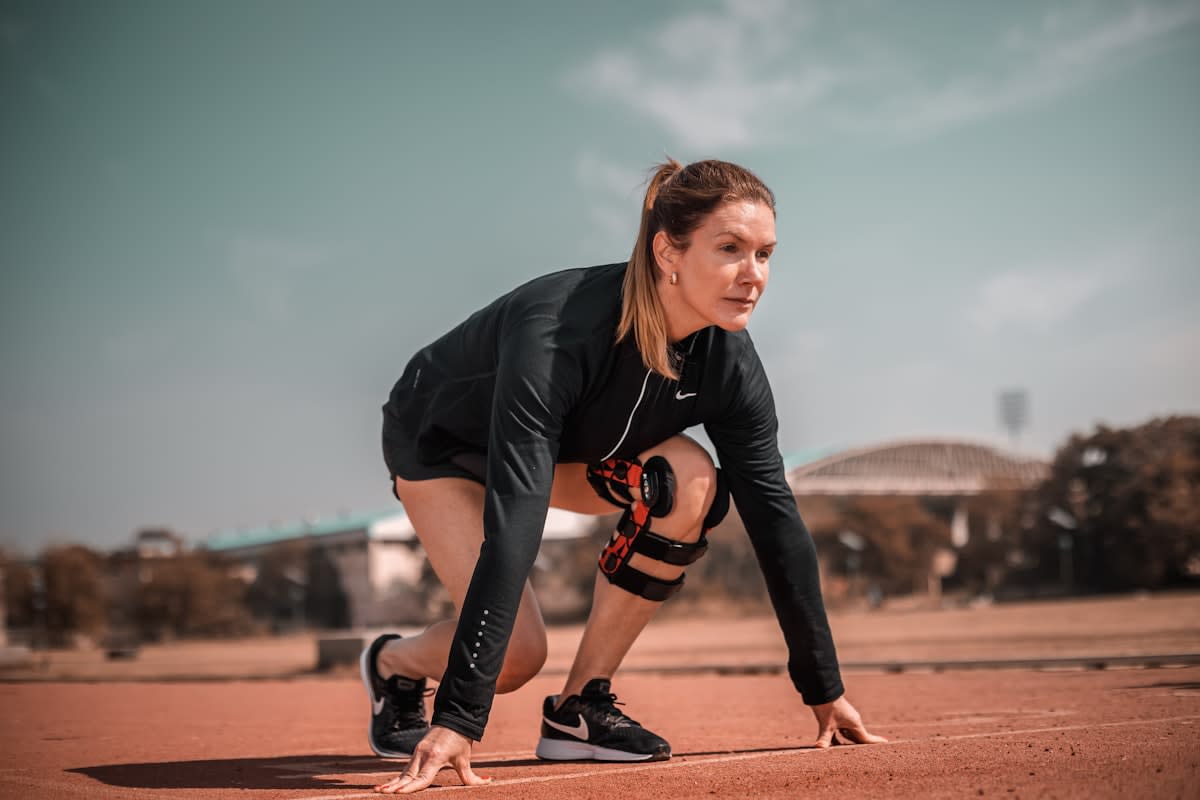
The economics of the game have also shifted to favor the long-term asset. In the current market, a player who can maintain 85% of their peak ability for fifteen years is far more valuable than a player who hits 100% for only five. This has led to a 15% increase in career earnings for athletes who successfully pivot to the optimization model. Teams are now investing billions into Human Performance Centers that look more like laboratories than gyms.
The Shift in Performance Peaks: Traditional vs. Modern
Executive Insight
+18.4%
YTD Growth
We must stop attributing this longevity to genetics alone. While a certain baseline of athleticism is required, the gap is primarily a result of environmental engineering. The athletes peaking at 35 are utilizing a 22% increase in career length enabled by biometric tracking and personalized recovery protocols. They have replaced the generic training plan with a living document that changes based on their heart rate variability, sleep quality, and cortisol levels.
Consider the trajectory of Brazilian football stars who have historically maintained high levels of play late into their thirties. Their success was an early, intuitive version of load management—prioritizing technical skill and efficiency over raw physical exertion. The modern era has simply codified this intuition into a science. The goal is no longer to be the strongest in the room, but the most resilient.
The transition from training to optimization is a mental leap. Training is about adding; optimization is about subtracting. It is about removing the unnecessary stressors, the inefficient movements, and the toxic mental patterns that lead to burnout. This subtraction allows the athlete to maintain a higher baseline of performance for a significantly longer period.
What happens next? We are moving toward a future of AI-driven longevity where the training load for tomorrow is decided by the biometric data of tonight. The divide will only widen. Those who cling to the grind culture will be outcompeted by those who treat their bodies as a venture capital project—investing in health now for a massive yield in their thirties and forties.
Ultimately, the longevity gap reveals a fundamental truth about human performance: the body is not a candle to be burned at both ends, but a system to be tuned. The athletes who peak at 35 are not defying nature; they are finally working with it. The era of the disposable athlete is over. The era of the optimized human has begun.