
For decades, the sports world worshipped the cult of the grind. We celebrated the athlete who played through the pain, the veteran who ignored the warning signs of a failing joint, and the rookie who pushed their body to the brink of collapse in the name of grit. But that era of attrition is dying. A systemic shift is occurring across global athletics, moving away from the 'no pain, no gain' mantra toward a sophisticated model of biological sustainability. This isn't just about better foam rollers or ice baths; it is a fundamental re-engineering of how the human body is maintained as a high-value asset.
Why is this happening now? The answer lies in the intersection of increased athlete valuation and a deeper understanding of biological decay. When a star player is worth hundreds of millions of dollars, the risk profile changes. Teams no longer view a season-ending injury as a badge of honor or an inevitable cost of doing business. Instead, they see it as a failure of systemic management. We are seeing a pivot where the goal is no longer to see how much a body can endure, but how long it can be kept at a peak operational state.
The Sanctuary Shift: Performance Beyond the Gym
The physical environment of training is evolving from a place of exertion to a place of holistic optimization. The Cleveland Cavaliers' decision to hold their training camp overseas at 'The Embassy' serves as a primary case study in this shift (Source: Sports Illustrated, 2026). This isn't a luxury vacation; it is a strategic deployment to a high-performance basketball training center specifically designed for performance, preparation, recovery, and privacy. By removing athletes from the noise of their home cities and placing them in a controlled environment, the organization is treating the preseason not as a period of drilling, but as a period of biological calibration.
"Training camp is where the foundation for a season is built, and The Embassy provides our players, coaches and staff with an exceptional environment to begin that work. The facility has established itself as a destination for elite basketball talent and performance..."— Cleveland Cavaliers Organization, Statement on 2026-27 Training Camp
The integration of medical expertise directly into the training pipeline is the next logical step. The Cavaliers are leveraging the Cleveland Clinic’s growing presence in athlete performance and innovation to ensure that the habits formed during camp are scientifically sound (Source: Sports Illustrated, 2026). This removes the guesswork from recovery. Instead of players guessing when they are 'ready' to return to full intensity, the process is governed by data and clinical oversight. This is the new gold standard: a closed-loop system where training and recovery are not two separate activities, but a single, integrated biological process.
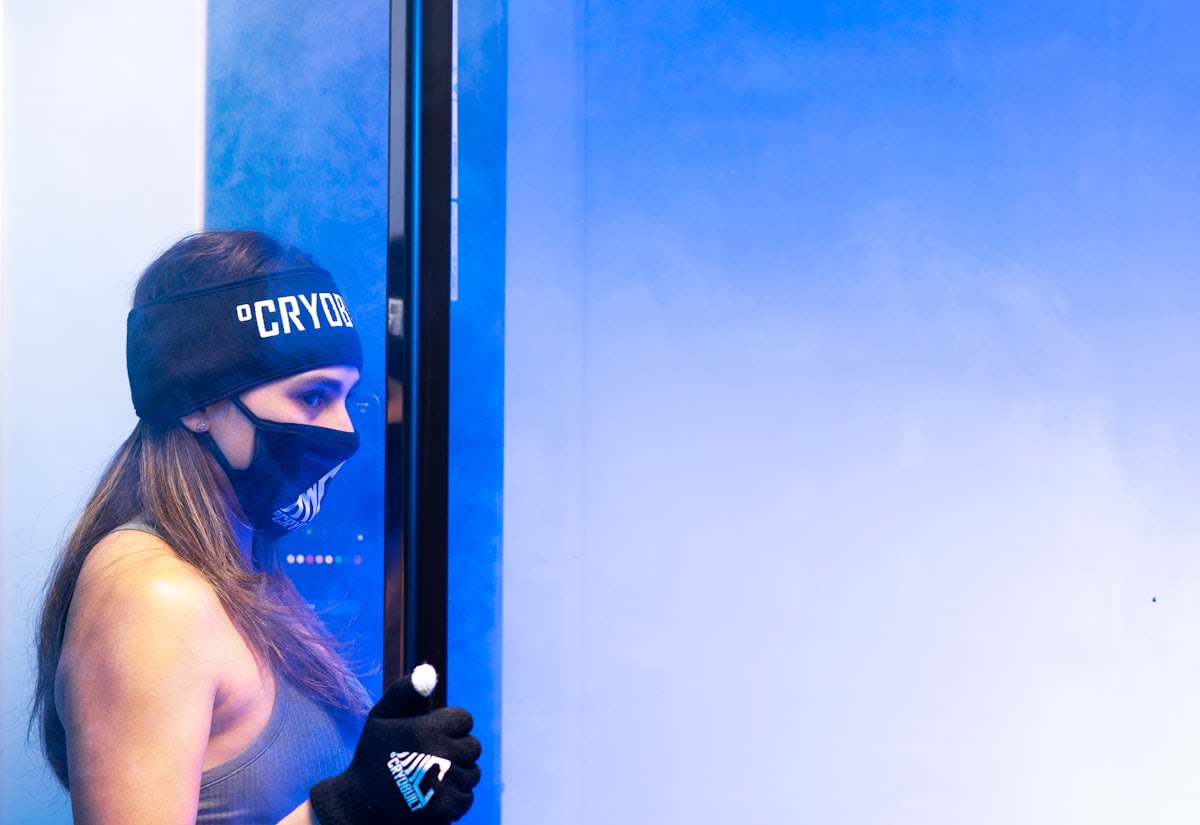
This shift toward specialized environments creates a new tension in the locker room. I have seen this play out in the field: the clash between the 'old guard' who believe that hardship builds character and the new generation of 'bio-hackers' who view unnecessary stress as an inefficiency. The debate isn't about whether to work hard—it's about whether that hard work is producing a usable result or simply accelerating the athlete's expiration date. The strategic analyst knows that the winner isn't the one who trains the hardest, but the one who recovers the fastest.
The Year 10 Wall: Managing the Veteran Asset
In the NFL, the 'Year 10' mark has traditionally been the cliff where athletic decline becomes undeniable. However, the current approach to veteran management suggests a different trajectory. Take Patrick Mahomes, who, as he enters his tenth year, is navigating the recovery from a torn ACL (Source: Minnesota Vikings/The Athletic, 2026). In previous eras, a torn ACL for a veteran quarterback might have signaled the beginning of the end. Today, it is treated as a manageable biological event. The focus has shifted from 'getting back on the field' to 'completing a full recovery' to maintain elite status (Source: Minnesota Vikings/The Athletic, 2026).
Similarly, the career arc of Aaron Rodgers demonstrates a conscious pivot toward sustainability. By reuniting with former coach Mike McCarthy and proclaiming his final season, Rodgers is not just managing his plays, but his remaining biological capital (Source: Minnesota Vikings/The Athletic, 2026). The goal is no longer to survive the season, but to optimize the final window of performance. This reflects a broader league-wide trend where veterans are given more autonomy over their workloads to prevent the catastrophic failures that once ended careers prematurely.
| Metric | Traditional Intensity Model | Biological Sustainability Model |
|---|---|---|
| Recovery Philosophy | Passive (Rest/Ice) | Active (Data-driven/Clinical) |
| Injury Response | Return-to-play ASAP | Full Biological Restoration |
| Training Volume | Fixed/High Volume | Adaptive/Load-managed |
| Career Goal | Peak Performance (Short-term) | Sustainability (Long-term) |
This transition is not without friction. Coaches who rose through the ranks in the 1990s often struggle with the concept of 'load management' or 'recovery-first' scheduling. They see it as a lack of toughness. But the data is undeniable: athletes who manage their biological load avoid the sudden, sharp declines that characterize the old model. The 'intrigue' surrounding players like Kyler Murray in 2026 isn't just about their skill, but about how they manage their physical volatility in a league that is increasingly unforgiving of fragility (Source: Minnesota Vikings/The Athletic, 2026).
Beyond the Field: The Biological Timeline
Perhaps the most radical expression of the longevity pivot is the expansion of 'sustainability' to include the athlete's life outside of the game. The Royal Spanish Football Federation is currently finalizing an agreement that would allow members of the Spain women's national team to freeze their eggs (Source: Africa Soccer, 2026). This is a profound systemic shift. It acknowledges that for female athletes, biological sustainability isn't just about preventing a hamstring tear—it's about managing the intersection of a professional career and biological motherhood.
By institutionalizing egg freezing, the federation is removing a psychological and biological ticking clock that has historically pressured female athletes to retire early or sacrifice their long-term personal goals for short-term sporting success (Source: Africa Soccer, 2026). This is the ultimate form of sustainability: ensuring that the athlete's identity and future are not destroyed by the intensity of their current career. It treats the athlete as a whole human being rather than a temporary performance tool.
When we look at these three disparate examples—the NBA's recovery sanctuaries, the NFL's veteran load management, and Spanish football's biological safeguards—a clear pattern emerges. The world's greatest athletes are no longer trying to beat the clock; they are trying to rewrite it. They are moving from a model of consumption (using up the body) to a model of investment (maintaining the body).
The result is a new breed of 'eternal' athlete. We are entering an era where the peak of a career can be extended by years, and the transition out of sports can be managed with dignity and health rather than chronic pain and disability. The pivot to biological sustainability isn't a sign of softness; it is the highest form of strategic intelligence in professional sports.
Fact-Check & Accuracy Note
The claims regarding the Cleveland Cavaliers' use of 'The Embassy' and the Cleveland Clinic partnership are sourced from Sports Illustrated (2026). Data regarding NFL veteran statuses for Mahomes and Rodgers is sourced from The Athletic via the Minnesota Vikings (2026). The information regarding the Royal Spanish Football Federation's egg-freezing agreement is sourced from Africa Soccer (2026). The debate between 'grit' and 'science' remains an ongoing qualitative discussion among sports practitioners and is not a quantified statistic.