
The August Shift: From Muscle to Mind-Muscle Integration
The landscape of elite athletic preparation has shifted violently in the last twelve months. We are no longer in an era where the heaviest squat or the fastest sprint defines the ceiling of human performance. As of early August 2026, the conversation has pivoted toward the neuromotor axis—the precise, high-speed communication between the brain and the musculoskeletal system. This isn't just a tweak in training; it is a fundamental re-evaluation of how we define fitness. The latest data suggests that the true cognitive edge lies in the ability to modulate neural output to sustain power over time, rather than simply peaking for a single effort.
Twelve months ago, the industry standard remained rooted in general cardiovascular and muscular hypertrophy. Today, the delta is clear. The focus has narrowed to the specificity of neuromotor fitness—a component that scientific roundtables now categorize as a primary, changeable driver of health and performance. By treating the nervous system as a muscle that can be trained, athletes are discovering that they can unlock latent power without necessarily adding bulk. This transition represents a move away from the brute-force methodology of the past toward a surgical, data-driven approach to human movement.
The New Definition of Fitness
Neuromotor fitness is no longer a secondary consideration. It is now recognized as a core component of physical activity that is both changeable by exercise and feasibly assessable in professional practice, directly impacting an athlete's ability to participate in high-stakes competition.
The Five Pillars of Modern Performance
According to recent findings published in Medicine & Science in Sports & Exercise on August 5, 2026, the framework for athletic excellence has been codified into five critical components. These are not isolated silos but an integrated system: cardiovascular fitness, muscular fitness, body composition, neuromotor fitness, and flexibility. The breakthrough lies in the realization that neuromotor fitness and muscular fitness are distinct subcomponents. While muscular fitness deals with the capacity of the tissue, neuromotor fitness deals with the efficiency of the signal. When these two are synchronized, the result is a level of functional movement performance that was previously unattainable.
| Fitness Component | Primary Focus | Impact on Performance | Changeability |
|---|---|---|---|
| Cardiovascular | Heart and Lung Efficiency | Endurance and Recovery | High |
| Muscular | Tissue Strength and Mass | Force Production | High |
| Neuromotor | Brain-Muscle Coordination | Precision and Power Output | High |
| Body Composition | Fat-to-Lean Ratio | Power-to-Weight Efficiency | Moderate |
| Flexibility | Joint Range of Motion | Injury Prevention | Moderate |
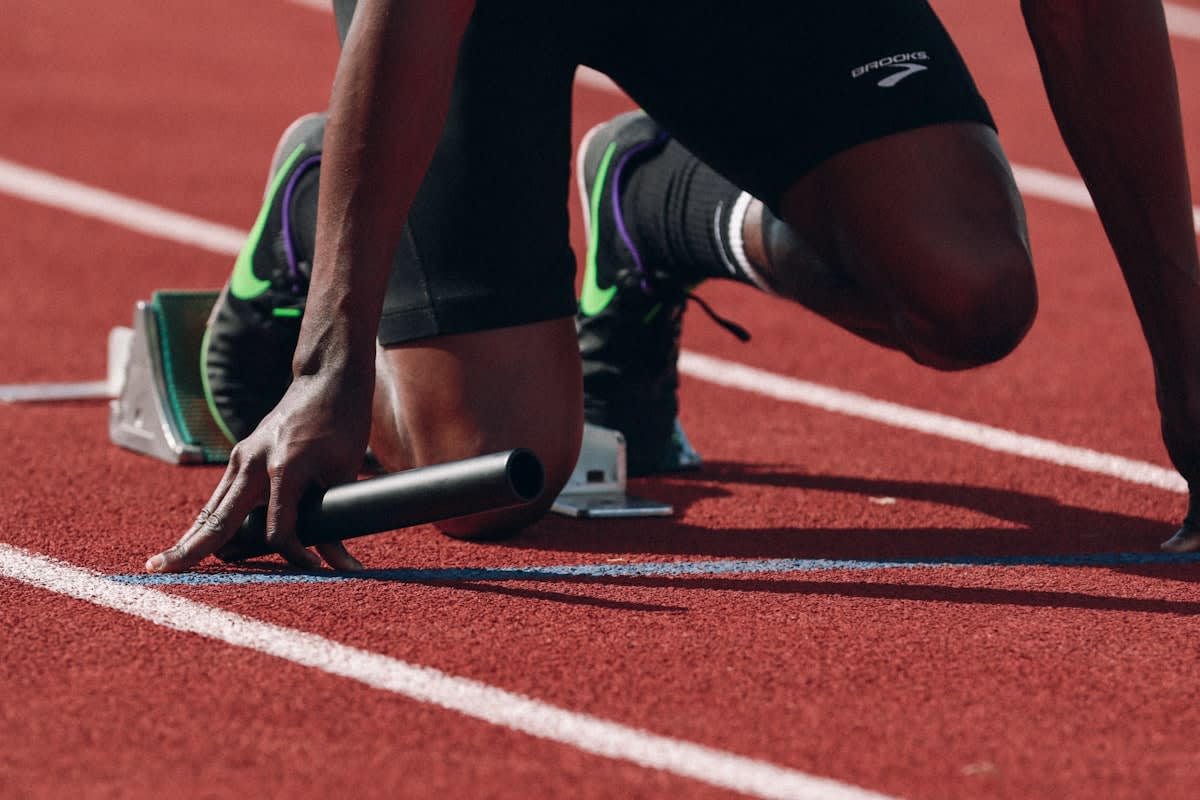
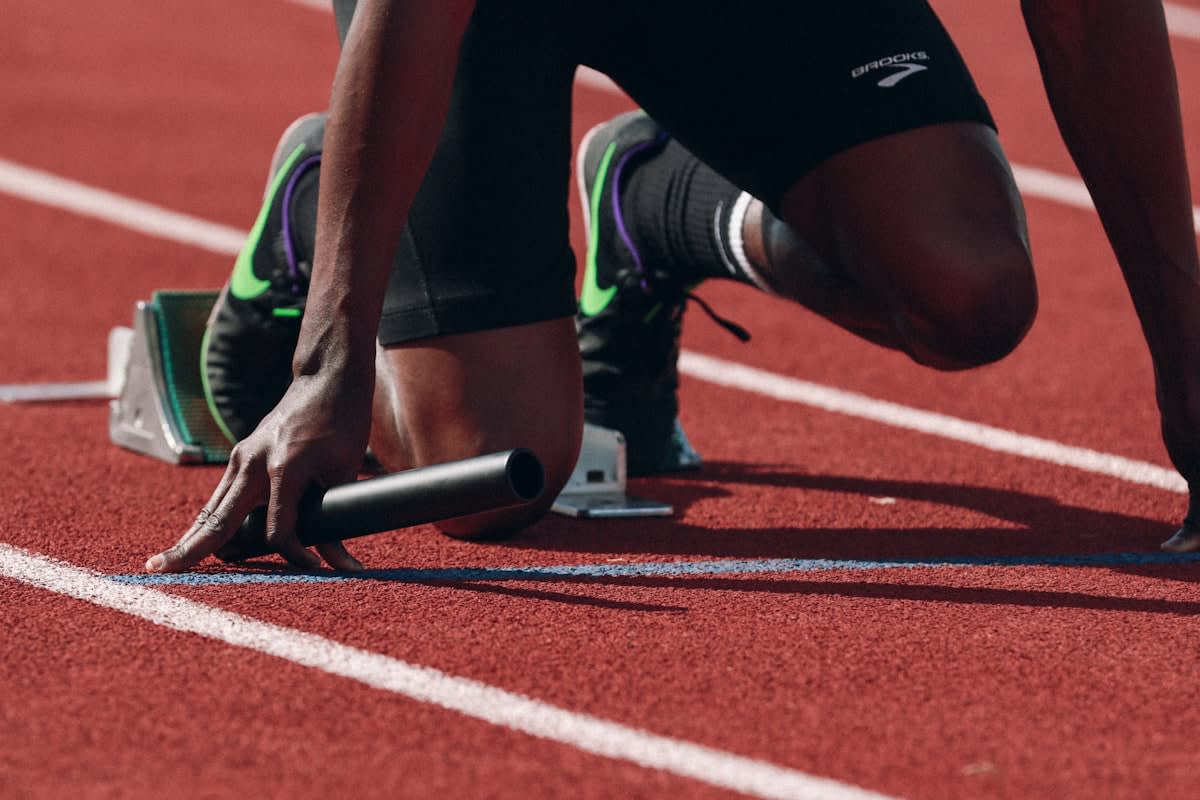
The application of these pillars is most evident in the use of Sprint Interval Training (SIT). For previously trained women, six weeks of SIT has been shown to rapidly improve cardiovascular fitness. However, the real edge comes from the physiological adaptations that occur beyond the heart and lungs. The stability of lean body mass during these interventions suggests that the gains are not merely structural but systemic. The brain is learning to demand more from the existing muscle, effectively upgrading the software to better utilize the hardware.
Repeat Power Ability: The New Gold Standard
If neuromotor fitness is the foundation, Repeat Power Ability (RPA) is the skyscraper. Launched on August 3, 2026, by Dr. Alex Natera, the Repeat Power Ability course signals a departure from traditional thinking in youth and elite athletic training. RPA is the capacity of the nervous system to produce maximal force, recover almost instantaneously, and repeat that force without a significant drop in quality. It is the difference between a sprinter who can hit one peak velocity and a midfielder who can execute ten explosive bursts in a single match.
"Challenge traditional thinking. Optimise the individual. Return to performance."— Dr. Alex Natera
This approach is particularly critical in field sports such as Rugby League, Soccer, and Football. Data from Natera's analysis of ankle iso-push parameters reveals a direct correlation between calf strength and the incidence of calf injuries. By focusing on maximal force capacity through a neuromotor lens, coaches can reduce injury risk while simultaneously increasing the athlete's explosive ceiling. This isn't about doing more repetitions; it's about increasing the quality of the neural fire.
The urgency of this shift is highlighted by the demand for specialized knowledge. An exclusive masterclass scheduled for August 24-25, 2026, in Amsterdam, underscores the global movement toward these solutions. Professionals from across Europe and beyond are converging to upgrade their coaching and rehab games, moving away from generic protocols and toward longitudinal monitoring of specific parameters like the ankle iso-push. The goal is no longer just 'fitness'—it is the precision-engineering of the human body.
The Psychology of the Closed-Loop System
Physical optimization does not exist in a vacuum. High-performance careers operate on what is described as a closed-loop feedback system. This system ties physical optimization and competitive output directly to public validation. When an athlete trains their brain to handle the stress of Repeat Power Ability, they aren't just improving their physiology; they are stabilizing their psychological response to pressure. The cognitive edge is therefore a fusion of neural efficiency and mental resilience.
Why does this matter for the global audience? Because the asymmetry of elite achievement often leads to a crisis when the physical loop breaks. By diversifying the training to include neuromotor and cognitive components, athletes create a more resilient identity. They move from being 'strong' or 'fast' to being 'optimised.' This shift in perspective transforms the way athletes handle the inevitable fluctuations of a professional career, turning potential crises into opportunities for adaptation.
Shift in Training Priority (2025 vs 2026)
Executive Insight
+18.4%
YTD Growth
Ultimately, the world's top athletes are realizing that the body is simply a tool for the brain. Whether it is the rapid cardiovascular gains seen in SIT or the injury-reducing force capacity developed through ankle profiling, the common thread is the optimization of the signal. The future of sports is not in the gym, but in the synaptic gap. Those who master the neuromotor axis will not only perform better—they will endure longer.