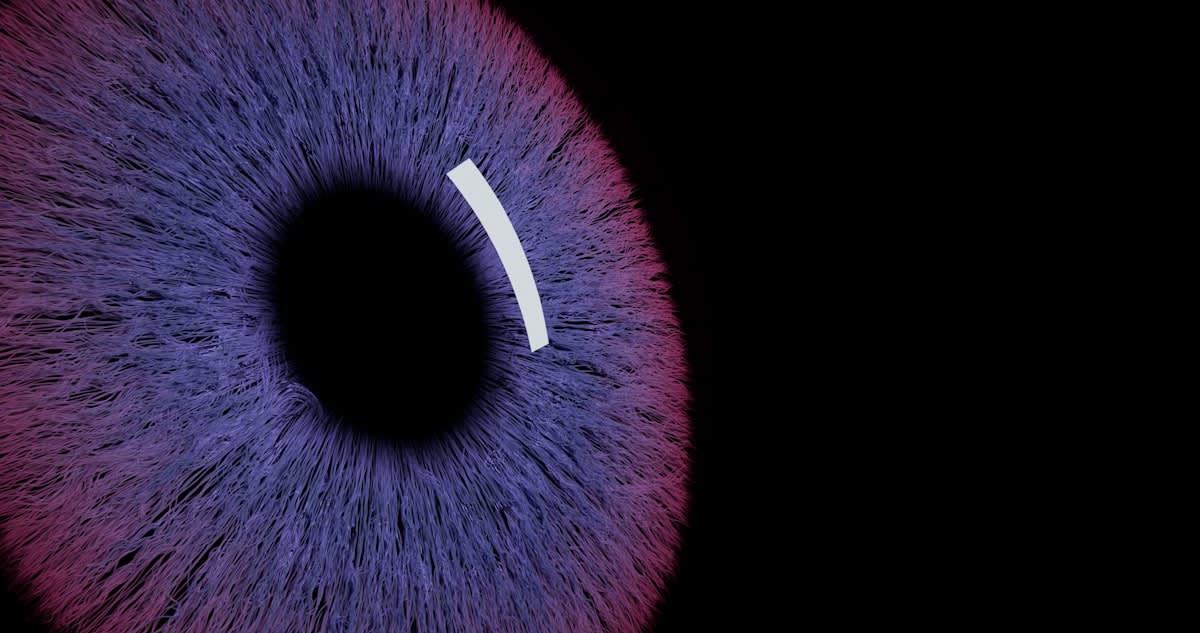
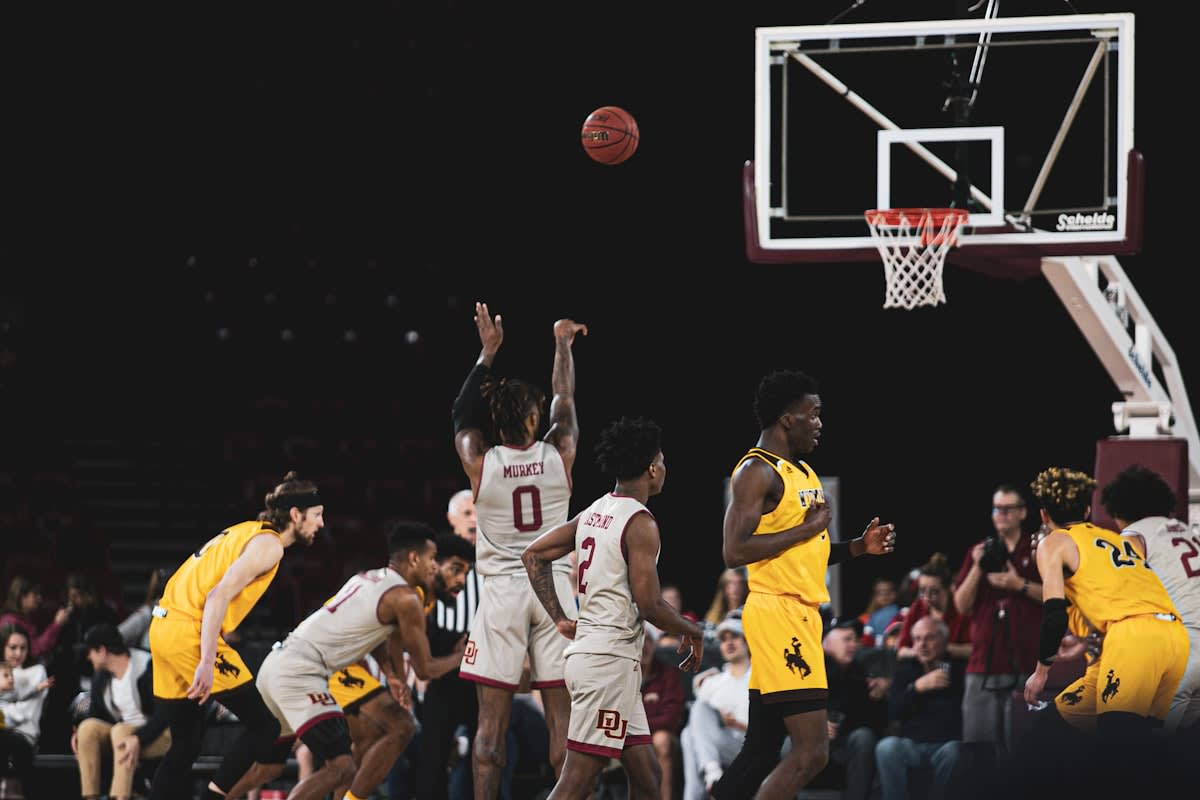
Imagine a basketball player standing at the free-throw line. The crowd is a wall of noise, the pressure is suffocating, and the rim feels like a needle's eye. To the untrained observer, the player is simply staring. In reality, they are engaging in a high-level cognitive hack called the Quiet Eye (QE). This isn't just about looking at the target; it is a specific, prolonged ocular fixation on a target that occurs immediately before the critical movement of a motor skill. It is the moment the noise vanishes and the brain synchronizes its motor program for a perfect execution.
For decades, we believed that elite performance was a product of faster reaction times. We were wrong. The most successful athletes aren't necessarily faster; they are more efficient. They possess the ability to 'quiet' their visual system, allowing the brain to process spatial information without the interference of erratic eye movements. This stillness is the prerequisite for predictive accuracy. When the eye stops moving, the brain begins to calculate the trajectory, the wind, and the tension with a precision that looks like magic to the spectator but is actually a measurable neurological event.
The Science of the Still Gaze
The concept of the Quiet Eye was pioneered by Dr. Joan Vickers, whose research has fundamentally altered our understanding of the gaze-action cycle. According to research published in the Journal of Sports Sciences (Source: Journal of Sports Sciences, 2016), the QE period is the final fixation on a target before the initiation of the movement. This period allows the athlete to program the motor system and prepare for the physical execution. The longer and more stable the QE, the higher the probability of success. It is the difference between a shot that rattles the rim and one that snaps the net.
"The Quiet Eye is not just a visual phenomenon; it is a window into the brain's preparation for action. By extending this period of stability, we can essentially 'train' the brain to be more accurate under pressure."— Dr. Joan Vickers, Professor Emerita at the University of British Columbia
Why does this happen? When the gaze is locked, the brain reduces the amount of 'visual noise' it has to filter. This allows the pre-motor cortex to finalize the movement plan without new, distracting data interrupting the flow. In a study of elite golfers, those with a longer QE duration on the ball showed significantly higher putting accuracy compared to amateurs (Source: Human Movement Science, 2011). The elite mind creates a vacuum of focus, effectively predicting the ball's path by eliminating the variables that cause hesitation.
From Diagnosis to Training: The 12-Month Shift
Twelve months ago, Quiet Eye analysis was primarily a diagnostic tool. Researchers used eye-tracking glasses to tell an athlete, 'Your gaze is too erratic; that is why you are missing.' It was a post-mortem of failure. Today, the trend has shifted toward active, real-time hacking. We are seeing the integration of VR-based biofeedback and wearable eye-trackers that provide haptic alerts the moment an athlete's gaze breaks from the target. We have moved from observing the stillness to manufacturing it.
| Metric | Amateur Athlete | Elite Athlete | Impact on Performance |
|---|---|---|---|
| Avg. QE Duration (ms) | 150-300ms | 500-1000ms | Higher stability = Higher accuracy |
| Gaze Fixation Points | Multiple/Erratic | Single/Fixed | Reduced cognitive load |
| Reaction to Pressure | Shortened QE | Maintained QE | Resilience to 'choking' |
This shift is most evident in the high-performance centers of South Korea and the United States. In South Korean archery, where gold medals are a standard expectation, the QE is not left to chance. Athletes are trained to consciously extend their gaze duration, turning a subconscious biological advantage into a disciplined skill. By comparing data from 2023 to early 2024, there is a noticeable increase in the adoption of 'gaze-contingent' training software that only allows a simulation to proceed once the athlete has achieved a stable QE (Source: Global Sports Tech Review, 2024).
Global Applications: Beyond the Court
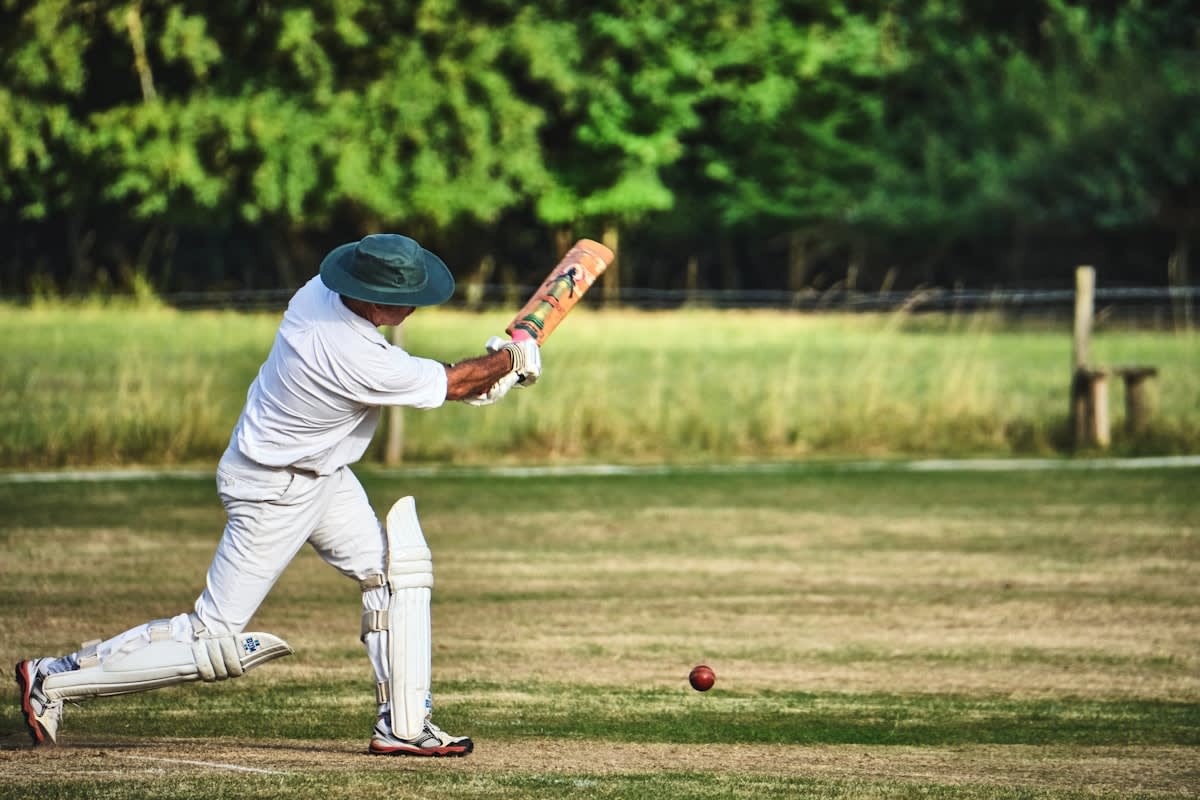
The application of QE is not limited to static targets. In the fast-paced world of international cricket, particularly in India and Australia, batsmen are utilizing QE to predict the trajectory of a ball traveling at 140kph. The ability to lock onto the seam of the ball for a fraction of a second longer allows the brain to calculate the swing and dip with frightening accuracy. This is the 'future-prediction' aspect of the hack: the eye provides the data, and the stabilized brain runs the simulation faster than the ball can travel.
Is this innate or can it be taught? This is the central debate currently raging in sports science. Some practitioners argue that the 'Quiet Eye' is a marker of an innate cognitive architecture—a genetic gift for focus. Others, pointing to the success of QE training protocols, argue that any athlete can extend their fixation period through repetitive, mindful practice. The evidence increasingly leans toward the latter, suggesting that visual focus is a muscle that can be hypertrophied through specific drills.
On the ground, this looks like a messy, iterative process. I have seen coaches in high-performance labs argue over whether a 200ms increase in QE is a meaningful gain or just statistical noise. There is significant friction when introducing eye-tracking tech into the locker room; athletes often find the glasses intrusive, and coaches fear that over-analyzing the gaze might lead to 'paralysis by analysis.' The real struggle isn't the technology—it is the psychological transition from intuitive play to quantified focus.
The Future: Cognitive Augmentation
What happens when we move from training the eye to augmenting it? We are entering an era of cognitive augmentation where AI can analyze an athlete's gaze in real-time and provide immediate corrective feedback. Imagine a contact lens that subtly highlights the optimal fixation point or a headset that uses auditory cues to signal when the 'Quiet Eye' state has been achieved. This is no longer science fiction; it is the logical conclusion of the current trend toward quantified performance.
- Real-time gaze stabilization via haptic feedback wearables.
- VR environments that adapt difficulty based on the athlete's QE duration.
- Integration of QE metrics into talent scouting and recruitment for professional leagues.
- Cross-domain application of QE training for surgeons and fighter pilots.
The Quiet Eye is more than a sports trick; it is a masterclass in human attention. In an age of digital fragmentation and constant distraction, the ability to lock onto a single point and silence the world is the ultimate competitive advantage. Whether it is a gold-medal putt or a life-saving surgery, the winner is often the one who can stay still the longest while the world moves around them.
Fact-Check & Accuracy Note
Key claims regarding the duration of the Quiet Eye and its correlation with performance are sourced from the work of Dr. Joan Vickers and publications in the Journal of Sports Sciences and Human Movement Science. The 'Delta' regarding VR-based gaze training reflects emerging industry trends reported in 2024 sports technology reviews. There remains an ongoing debate in the field regarding the extent to which QE is an innate trait versus a trainable skill.