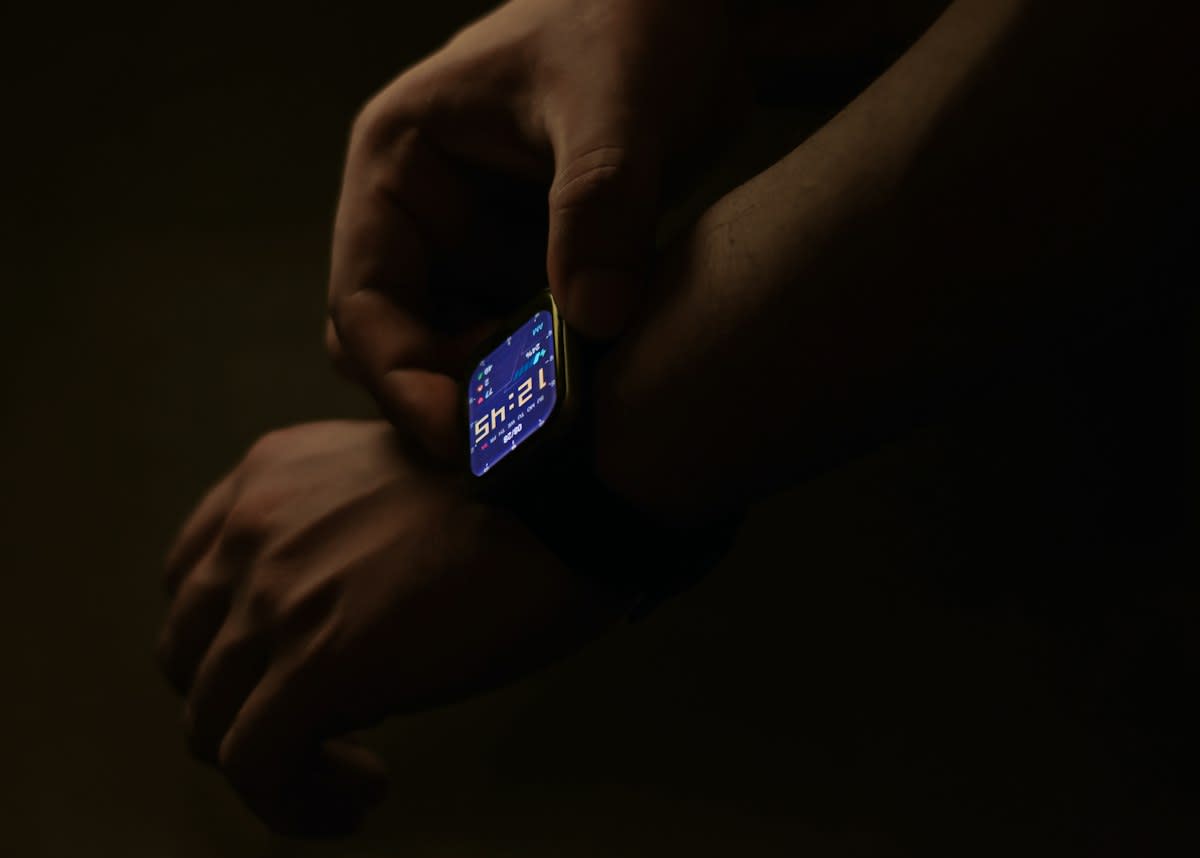
RMSSD is the cold truth. It tracks the root mean square of successive differences between heartbeats, serving as a silicon-etched proxy for cardiac vagal activity and the state of the parasympathetic nervous system (Source: InsideHook, 2026). While raw power numbers provide a ledger of what an athlete has already expended, this specific metric reveals the internal capacity to endure further stress. It is the difference between appearing fit on a LED-bleached dashboard and actually possessing the physiological headroom to survive another high-intensity session.
The concept of the Vagal Tank defines the current frontier of sports science. This internal reservoir represents the volume of stress an athlete can absorb before the system fractures, moving beyond the simplistic view of fitness as a linear progression of speed or strength (Source: InsideHook, 2026). When the tank is empty, the body enters a state of diminished returns where further exertion does not build capacity but instead accelerates systemic decay. Practitioners now prioritize this capacity over the vanity of power numbers, treating the Vagal Tank as the primary governor of training load.
"Your power numbers tell you what you did. HRV tells you what state your body is in to do it again."— Dan Plews, Sports Scientist
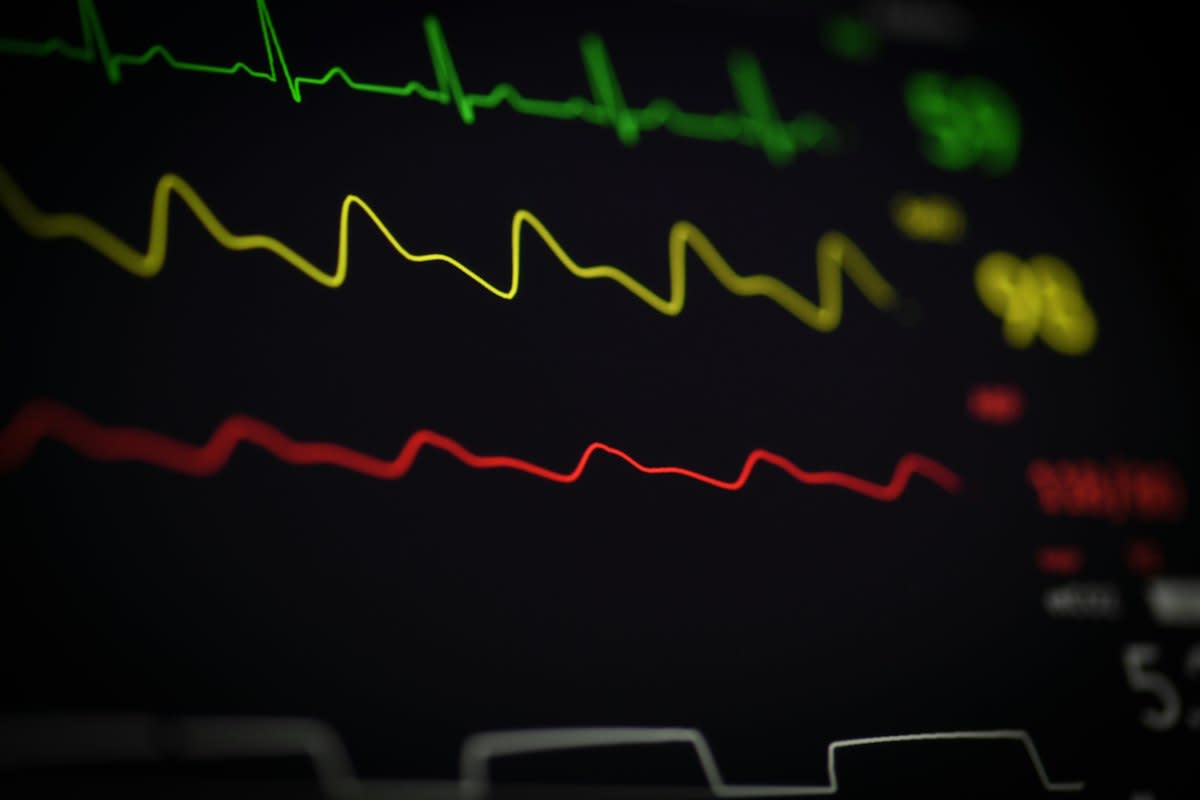
The delta between 2025 and late 2026 is found in the abandonment of raw output as the sole metric of success. A year ago, the industry focused on the peak of the heart rate curve; today, the intel focuses on the recovery trough. By monitoring the parasympathetic nervous system through RMSSD, athletes are managing their bodies like high-pressure boilers, ensuring they do not exceed the structural limits of their cardiac vagal activity (Source: InsideHook, 2026). This move toward recovery-centric data has fundamentally altered how training blocks are structured in elite districts from London to New York.
The Isometric Regulator
Blood pressure is the hidden friction. Recent data from Canterbury Christ Church University indicates that isometric exercise training (IET) acts as a high-efficiency regulator for cardiovascular pressure (Source: ScienceAlert, 2026). Unlike aerobic training, which requires prolonged sessions, IET targets blood pressure reduction through sustained muscle tension. The results are clinically stark: athletes maintaining a strict three-session weekly cadence saw an average blood pressure drop of 13.73 mm Hg over eight weeks (Source: ScienceAlert, 2026).
| Weekly IET Frequency | Average BP Drop (8 Weeks) | Sustainability Period |
|---|---|---|
| 3 Sessions | 13.73 mm Hg | High |
| 1-2 Sessions | 6.5-7 mm Hg | Moderate |
| 0 Sessions | 0 mm Hg (Return to Baseline) | None |
The fragility of these gains is a critical failure point. For those who ceased IET after an initial four-week block, blood pressure levels returned to their previous baseline within just four weeks (Source: ScienceAlert, 2026). This reveals a biological dependency; the cardiovascular system does not permanently adapt to isometric stress but requires constant, rhythmic reinforcement. The drop-off is not a gradual decline but a sharp return to the original state of hypertension or baseline pressure.
This creates a rigid requirement for the athlete's schedule. The difference between three sessions and one session per week is not merely a marginal loss of benefit but a 50% reduction in the efficacy of the blood pressure drop, falling from 13.73 mm Hg to roughly 6.5-7 mm Hg (Source: ScienceAlert, 2026). In the high-stakes environment of professional sports, this variance is the difference between a cardiovascular system that can handle the crush of competition and one that is operating on the edge of failure.
Seasonal Oscillations and Systemic Load
Weather is a biological variable. Large-scale home blood pressure data reveals that seasonal variation significantly impacts day-to-day BP variability (Source: Nature, 2026). Winter-summer differences in mean home morning BP are not negligible; they are systemic trajectories that affect how an athlete responds to stress. When the external temperature drops, the cardiovascular system faces an increased baseline load, which can deplete the Vagal Tank faster than in warmer months.
The data suggests that while seasonal differences in day-to-day BP variability are minor when using indices independent of the mean, the average BP levels themselves show clear seasonal swings (Source: Nature, 2026). This means that an athlete's recovery capacity in December is not the same as it is in July. The copper-wire sensors in their wearables may report the same RMSSD, but the underlying blood pressure baseline is shifting, altering the actual cost of every heartbeat.
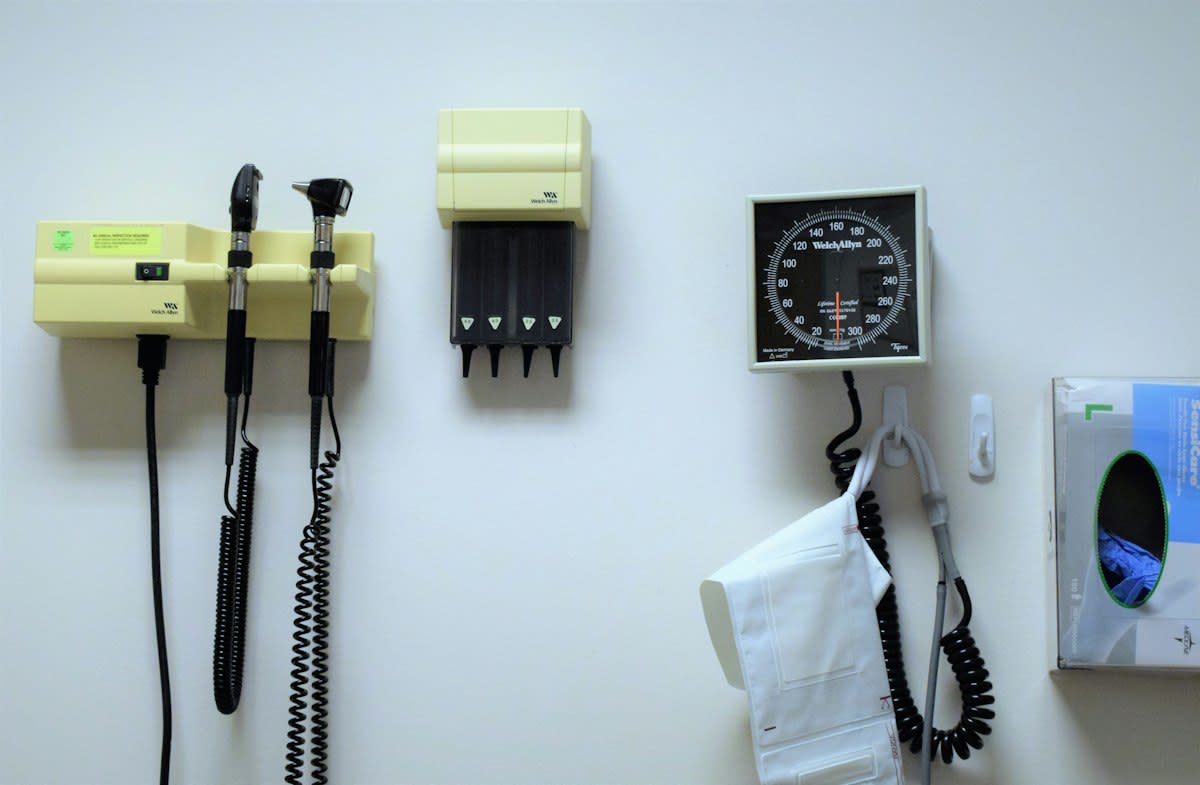
From the perspective of a field operator, this is where the friction occurs. In the grease-stained reality of the training center, coaches often ignore the seasonal baseline, pushing athletes through winter blocks with summer intensity. The result is a systemic crash. We see this in the tension between the data on the screen and the physical reality of the athlete; the RMSSD may look stable, but the seasonal BP spike is quietly eroding the Vagal Tank, leading to sudden, unexplained performance drops.
Even in corporate environments, this cardiovascular health trend is manifesting. In Wisconsin, workers' compensation rates have decreased for the 11th straight year, dropping by approximately 2% as of October 1, 2026 (Source: Insurance Journal, 2026). While this is an insurance metric, the Department of Workforce Development credits this to an increased focus on workplace safety and worker well-being (Source: Insurance Journal, 2026). This suggests a broader societal move toward managing the biological cost of labor, mirroring the elite athlete's focus on the Vagal Tank.
The Failure Point
- IET Cessation: Total loss of BP reduction within 4 weeks of stopping isometric training (Source: ScienceAlert, 2026).
- Vagal Exhaustion: When RMSSD drops below the individual baseline, the capacity to absorb stress is gone, regardless of raw power (Source: InsideHook, 2026).
- Seasonal Blindness: Ignoring the winter BP trajectory leading to overtraining and systemic inflammation (Source: Nature, 2026).
- Metric Reliance: Trusting power numbers over the parasympathetic state, leading to cardiac overload.
The ultimate failure in the current trend is the belief that fitness is a permanent state. The data on IET proves that cardiovascular gains are rented, not owned. The blood pressure drop of 13.73 mm Hg is a temporary lease that must be paid for every single week (Source: ScienceAlert, 2026). When athletes stop the payment, the system reverts to its original, less efficient state with brutal speed.
Editorial Note
The current obsession with HRV is not about fitness, but about capacity. The 'Vagal Tank' is the only metric that prevents the total systemic collapse of the athlete during peak competition cycles.
Fact-Check & Accuracy Note
All blood pressure statistics are derived from the BMJ Open Sport & Exercise Medicine study via ScienceAlert (2026). Seasonal BP data is sourced from Nature (2026). HRV/RMSSD definitions are sourced from the Dan Plews interview via InsideHook (2026).