#managed aquifer recharge
Discover 11 curated intelligence briefings related to this specific topic.

The Great Green Pivot: Engineering High-Yield Biodiversity Hubs in Your Own Backyard
A master practitioner's blueprint for dismantling the ecological wasteland of the traditional lawn and replacing it with a high-functioning, multi-layered ecosystem that restores local wildlife and soil health.
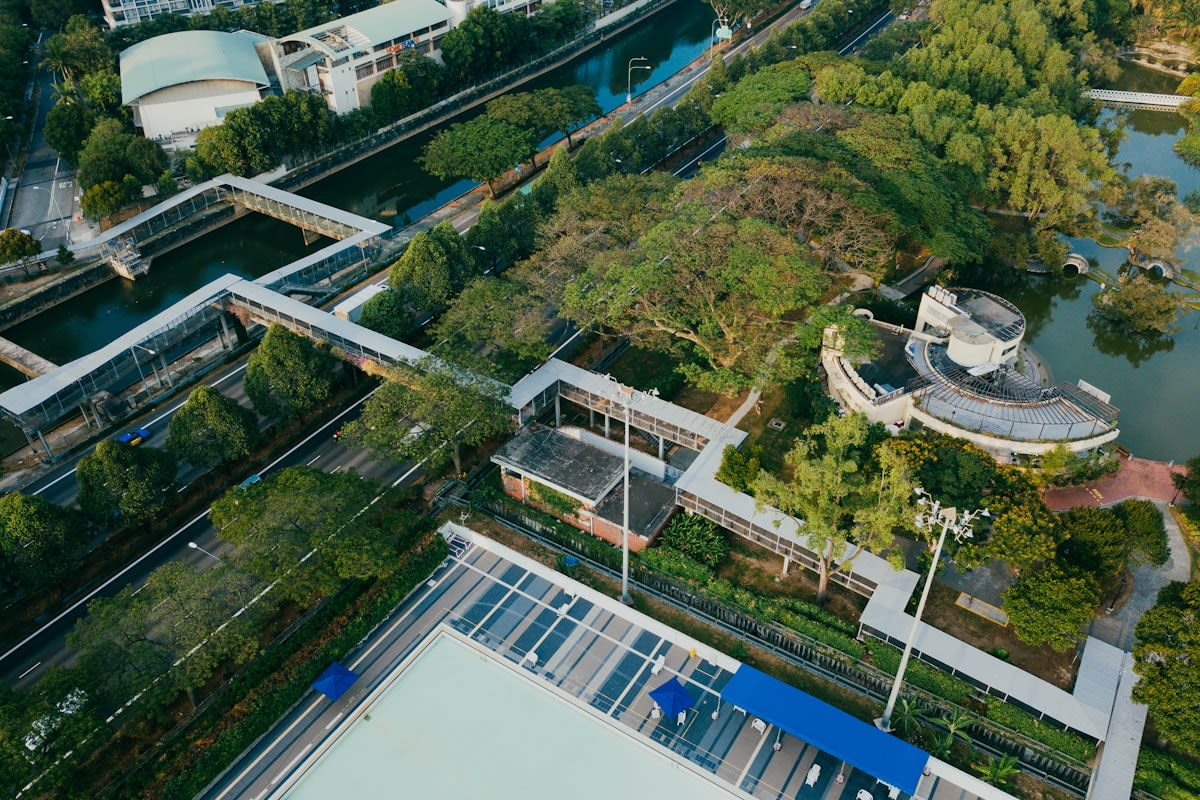
The Concrete Exodus: Why the World’s Most Resilient Cities are Turning Into Sponges
The era of the concrete pipe is ending. From Shenzhen to Copenhagen, the world's leading metropolises are replacing grey infrastructure with 'sponge' systems to survive an era of volatile precipitation.

The Deep Water Pivot: Precision Engineering the World's Hidden Reservoirs
Global agriculture is undergoing a quiet but fundamental shift. The industry is moving from a 'mining' mentality regarding groundwater to a 'management' model, leveraging IoT, satellite telemetry, and Managed Aquifer Recharge to ensure long-term food security.
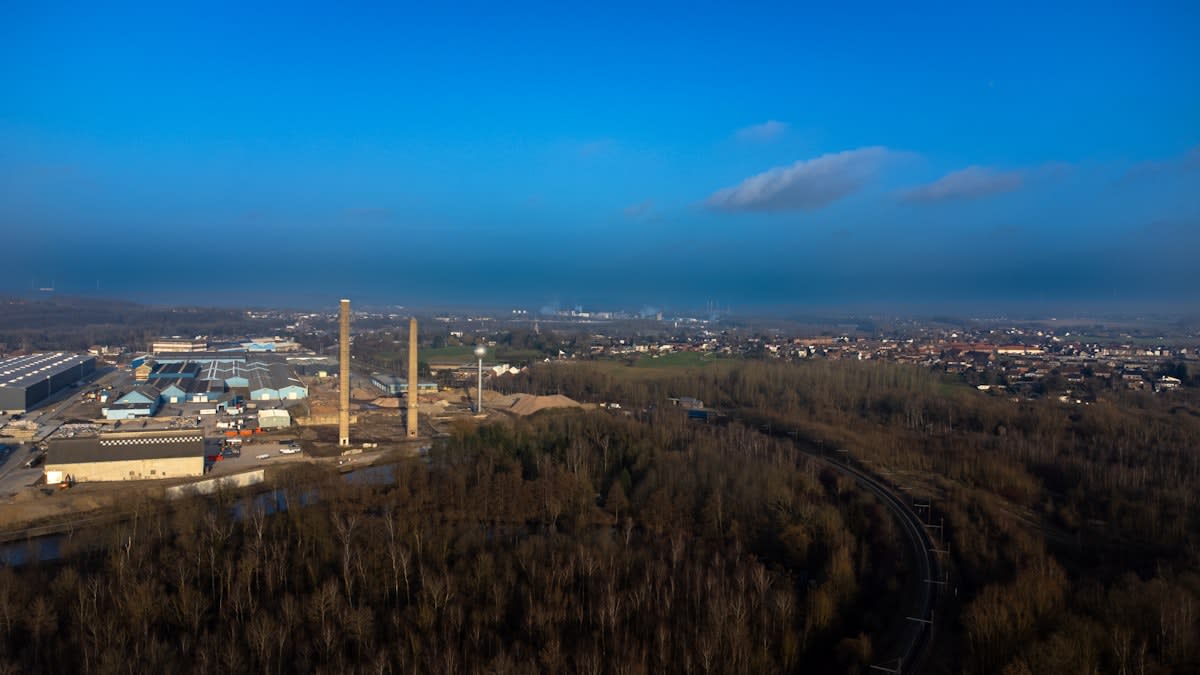
Replacing the Monoculture Matrix
A technical execution guide for transitioning industrial mono-cropping systems into landscape-level restoration zones without sacrificing long-term economic viability.
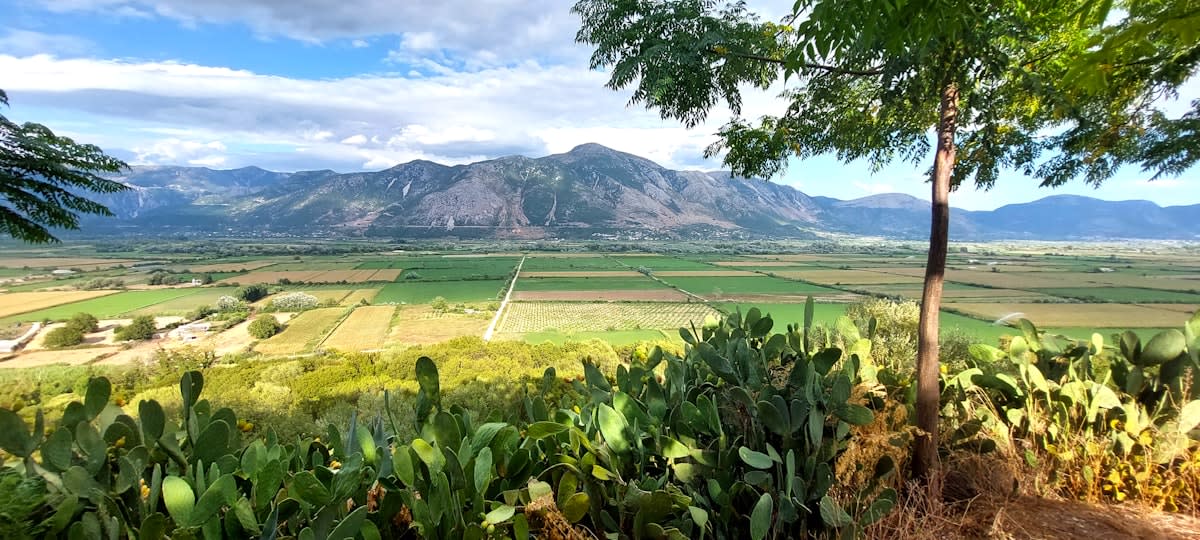
Carbonized Waste is Reclaiming the Salted Earth
Across the Southern Cone and the Brazilian highlands, a pivot toward pyrolyzed biomass is breaking the salt ceiling. By fusing bio-char with organic amendments, growers are seeing a 15-30% reduction in root-zone salinity, transforming dead land back into productive acreage.

Oceania Buries Its Water Wealth
Surface dams are failing the arid reality of the 21st century. In a rapid strategic pivot, Oceania is moving its water security underground, replacing evaporating reservoirs with high-capacity aquifer banking.

CHENNAI DIGITAL CORRIDOR OVERLAYS WATER RECOVERY FAILURE
Intelligence indicates a stark divergence in Chennai's infrastructure. While the I-2SEA subsea cable prepares the city for AI-scale compute by 2029, recent data on Managed Aquifer Recharge (MAR) reveals a negligible 3-7% recovery potential in the Ganges basin, contrasting sharply with Southeast Asian success.

JAKARTA GROUNDWATER RECOVERY PROTOCOLS ACTIVE
Intelligence reports indicate a transition toward Managed Aquifer Recharge (MAR) and industrial water recovery to halt Jakarta's descent. Data shows Southeast Asia as a primary hotspot for groundwater offset, exceeding 50% in specific zones.
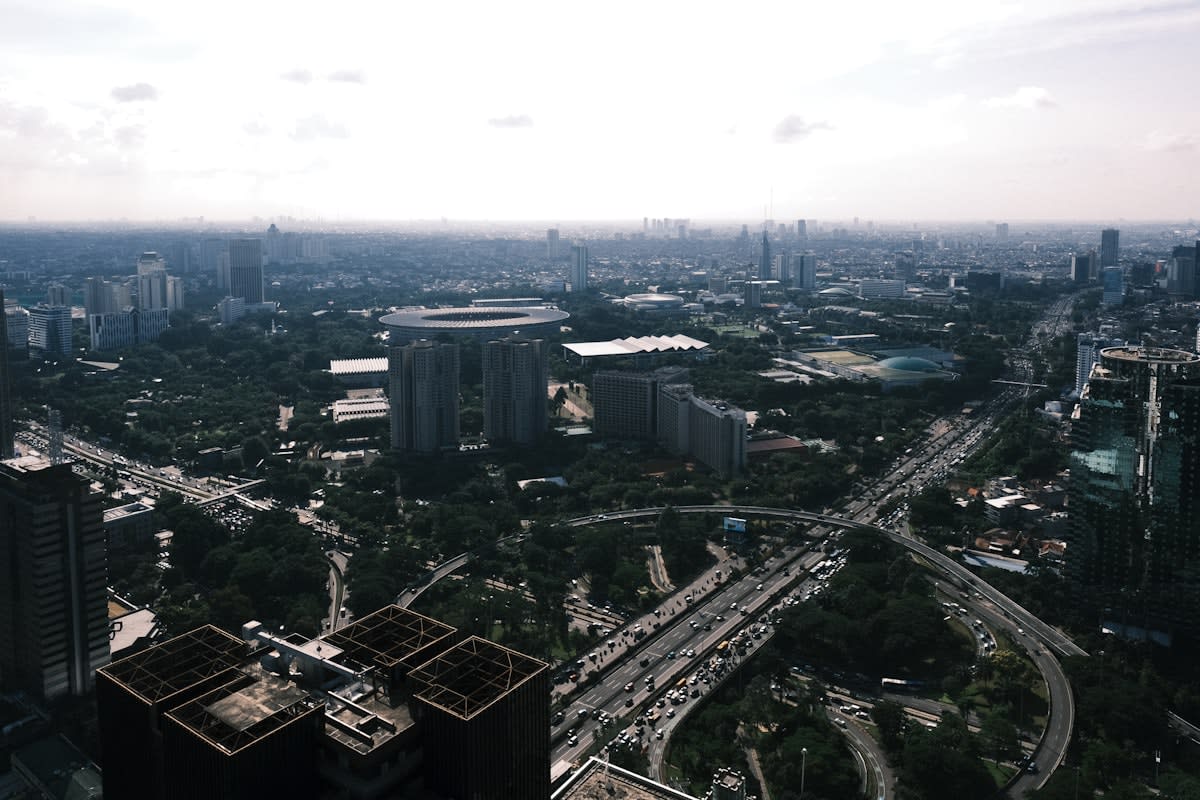
JAKARTA WATER TABLE STABILIZATION VIA MANAGED RECHARGE
New data reveals Southeast Asia can offset over 50 percent of unsustainable irrigation through Managed Aquifer Recharge, offering a critical lifeline for sinking urban centers like Jakarta.

GANGES BASIN RECHARGE LIMITS FORCE WATER TECH DEPENDENCY
Intelligence reports indicate that Managed Aquifer Recharge (MAR) cannot offset more than 7% of unsustainable irrigation in the Ganges basin. This deficit accelerates the transition toward industrial Water Tech as the primary survival mechanism for groundwater-depleted regions.

BENGALURU WATER SECURITY DEPENDS ON SUBSURFACE RECHARGE
While market narratives push Atmospheric Water Generation as a cure for Bengaluru's drought, high-signal data reveals that Managed Aquifer Recharge (MAR) and passive cooling are the only scalable defenses against hydrologic extremes.