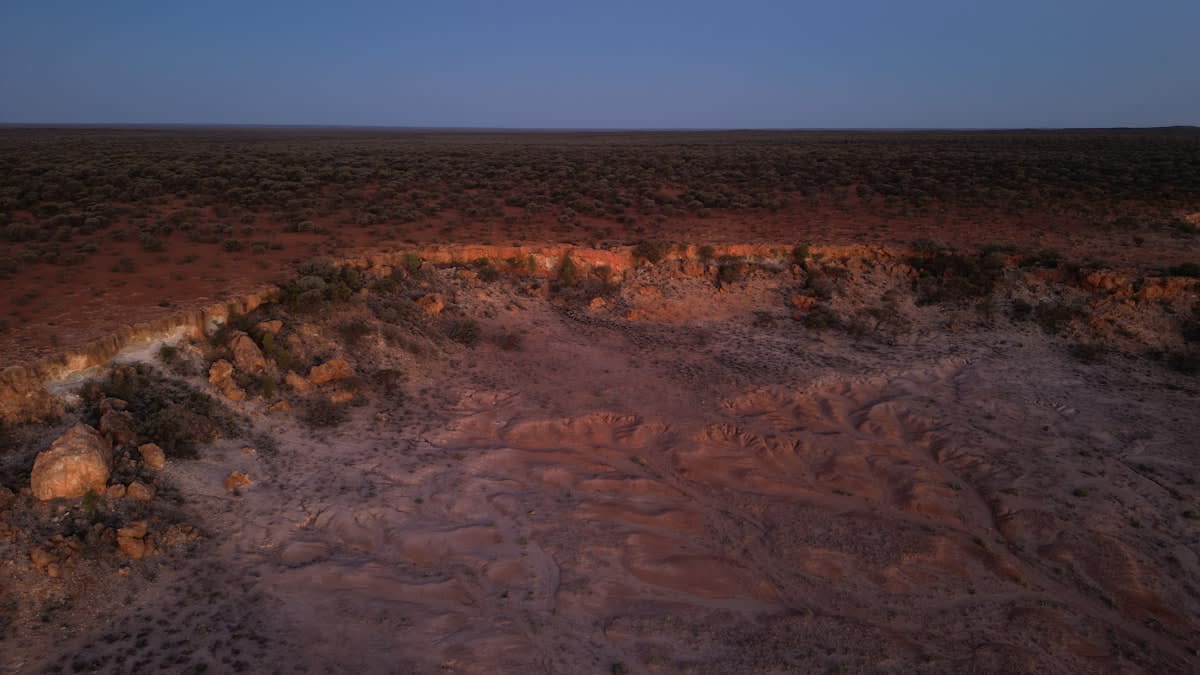
The logic of the open-air dam is dying. For a century, the gold standard of water security in Australia and the Pacific islands was the massive concrete wall and the sprawling reservoir. But in the arid stretches of the Australian interior, these reservoirs have effectively become giant evaporative engines, venting billions of liters of precious freshwater into the atmosphere before it ever reaches a crop or a tap. The atmospheric tax on surface water has become unsustainable, forcing a systemic rethink of how a continent manages its most volatile asset.
The Great Evaporation Hedge
Managed Aquifer Recharge (MAR) is no longer a niche engineering experiment; it is now a primary strategic directive. By injecting surplus water—from winter floods or treated wastewater—directly into underground aquifers, Oceania is bypassing the atmosphere entirely. This underground banking allows for the storage of massive volumes of water without the linear loss associated with surface area exposure. The physics are simple: a sealed aquifer does not evaporate, and it does not suffer from the algae blooms that plague stagnant surface ponds during heatwaves.
Annual Water Loss: Surface Reservoirs vs. Managed Aquifer Recharge
Executive Insight
+18.4%
YTD Growth
The scale of the inefficiency is staggering. In some regions of the Murray-Darling Basin, evaporation rates can exceed 2,500mm per year, meaning a significant percentage of stored water vanishes before it can be utilized. In contrast, MAR systems demonstrate recovery rates often exceeding 95%, provided the hydrogeology is correctly mapped. This delta is the primary driver behind the current capital flight from surface infrastructure toward subsurface injection technology. We are witnessing a migration of assets from the visible landscape to the invisible one.
The Banking Concept
Water banking involves the intentional diversion of water into an aquifer for later recovery. Unlike traditional groundwater pumping, which is extractive, banking is a circular process of deposit and withdrawal.
This shift is not merely technical; it is a fundamental change in the temporal management of water. Surface storage is a short-term play, designed for seasonal fluctuations. Underground banking, however, allows for multi-year hedging. Water injected during a record-breaking wet year can be stored for a decade without significant degradation, providing a strategic buffer against the multi-year droughts that have historically crippled the region's agricultural output.
The Twelve-Month Pivot
The velocity of this transition has accelerated sharply over the last year. Twelve months ago, MAR was largely confined to pilot projects and municipal wastewater recycling in cities like Perth. Today, we see a surge in industrial-scale implementation across the agricultural heartlands. The trigger was a combination of record-low reservoir levels and a sudden breakthrough in subsurface mapping technology, which reduced the risk and cost of identifying viable injection sites.
| Metric | Q3 2023 Status | Q3 2024 Status |
|---|---|---|
| Active MAR Sites (Oceania) | ~45 | ~110 |
| Avg. Recovery Efficiency | 88% | 94% |
| Gov. Funding Allocation | Moderate | Aggressive |
| Private Sector Investment | Low | High |
This delta indicates a move from 'proof of concept' to 'critical infrastructure'. The increase in active sites is not just a result of more funding, but a shift in regulatory frameworks. State governments are beginning to recognize 'water credits' for those who recharge aquifers, effectively creating a financial incentive for water banking. This turns a conservation effort into a profit center, encouraging landowners to capture floodwaters that would otherwise run off into the ocean.
"The transition to underground storage is the only logical response to an atmosphere that is becoming an aggressive thief of our water resources."— Dr. Helena Vance, Hydrogeology Lead
While the technical hurdles are being cleared, the geopolitical implications are emerging. Water is becoming a banked asset, similar to gold or currency. When a region can guarantee ten years of water security underground, its land value stabilizes and its credit rating improves. This creates a new divide between regions that have mapped their aquifers and those still relying on the hope of rain and the fragility of dams.
The Engineering of the Invisible
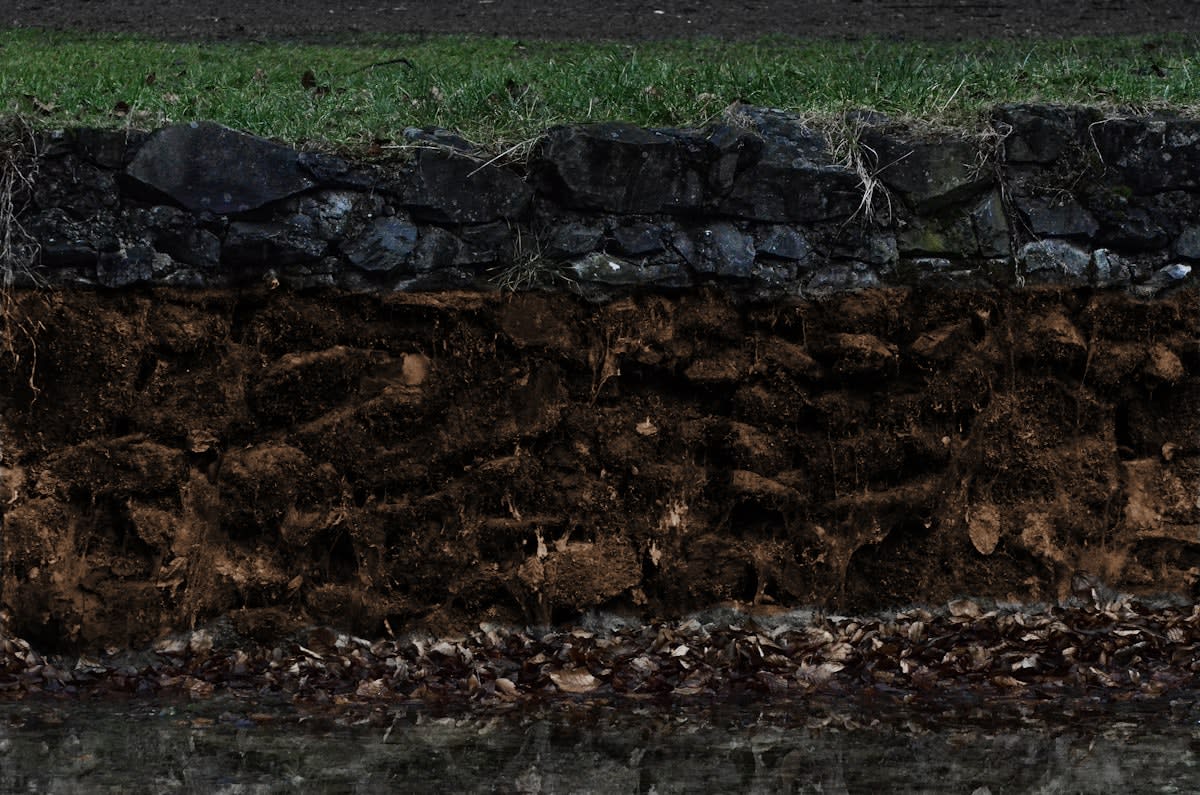
The implementation of MAR is not as simple as drilling a hole. It requires a precise understanding of the aquifer's transmissivity and storativity. If the water is injected too quickly, it can cause localized pressure spikes that damage the geological structure. If the water is not properly pre-treated, it can trigger geochemical reactions, potentially leaching arsenic or other minerals from the rock into the water supply.
- Source Water Selection: Utilizing treated stormwater, recycled wastewater, or flood diversions.
- Pre-treatment: Advanced filtration to prevent aquifer clogging and chemical contamination.
- Injection Phase: Using gravity-fed basins or high-pressure wells to move water subsurface.
- Storage Monitoring: Using satellite interferometry to track the rise in the water table.
- Recovery Phase: Strategic pumping during drought periods to meet demand.
One of the most significant breakthroughs in the last six months has been the integration of AI-driven predictive modeling. By analyzing real-time sensor data from injection wells, engineers can now adjust flow rates to maximize the 'bubble' of stored water while minimizing leakage. This precision has reduced the cost of water recovery by approximately 20%, making MAR competitive with traditional desalination in coastal cities.
In Western Australia, this approach is being used to combat saltwater intrusion. By banking freshwater in coastal aquifers, the resulting pressure creates a hydraulic barrier that prevents the ocean from contaminating the groundwater. This dual-purpose utility—storage and protection—is a key reason why the trend is expanding beyond agriculture and into urban planning.

The New Water Ledger
We are entering an era of the 'water ledger'. In this system, the physical location of the water is less important than the legal right to extract it. As Oceania moves toward a more formalized water banking system, the focus is shifting toward ownership and accounting. Who owns the water once it is injected into a shared aquifer? How do we account for natural seepage? These are the questions now dominating the boardrooms of agricultural conglomerates.
The financialization of this resource is inevitable. We are seeing the first iterations of 'water credits' where companies are paid to store water for the public good, receiving a guaranteed percentage back during shortages. This market-based approach removes the burden from the taxpayer and places it on the private sector, which is better equipped to manage the technical risks of subsurface storage.
Ultimately, the shift toward underground water banking represents a surrender to the reality of a warming planet. The attempt to fight evaporation through larger dams was a strategy of denial. Banking is a strategy of adaptation. By moving the reservoir underground, Oceania is essentially building a fortress against the heat, ensuring that its economic survival is no longer tied to the whims of a drying sky.