
The Delta: From Scrapyard to Decentralized Refinery
Twelve months ago. The narrative was simple. Agbogbloshie was a wasteland. A tragedy of the Global North. Now. The lens shifts. It is a high-efficiency, decentralized refinery. Scavengers are not just picking trash. They are performing precision urban mining. They identify high-yield components faster than corporate auditors. They bypass the bureaucracy of formal recycling. The delta is clear. The shift from survival scavenging to strategic resource extraction is complete.
Global brands push the closed-loop narrative. Apple. Samsung. Dell. They claim 90% recovery rates. A lie. Most 'recovered' gear leaks. It flows through ports in Chittagong. It lands in the Korle Lagoon. The scavengers in Accra have mastered the leak. They track the shipments. They know which batches of servers from Northern Virginia hit the coast. They outpace the formal logistics chains. They move faster than a corporate ESG report.
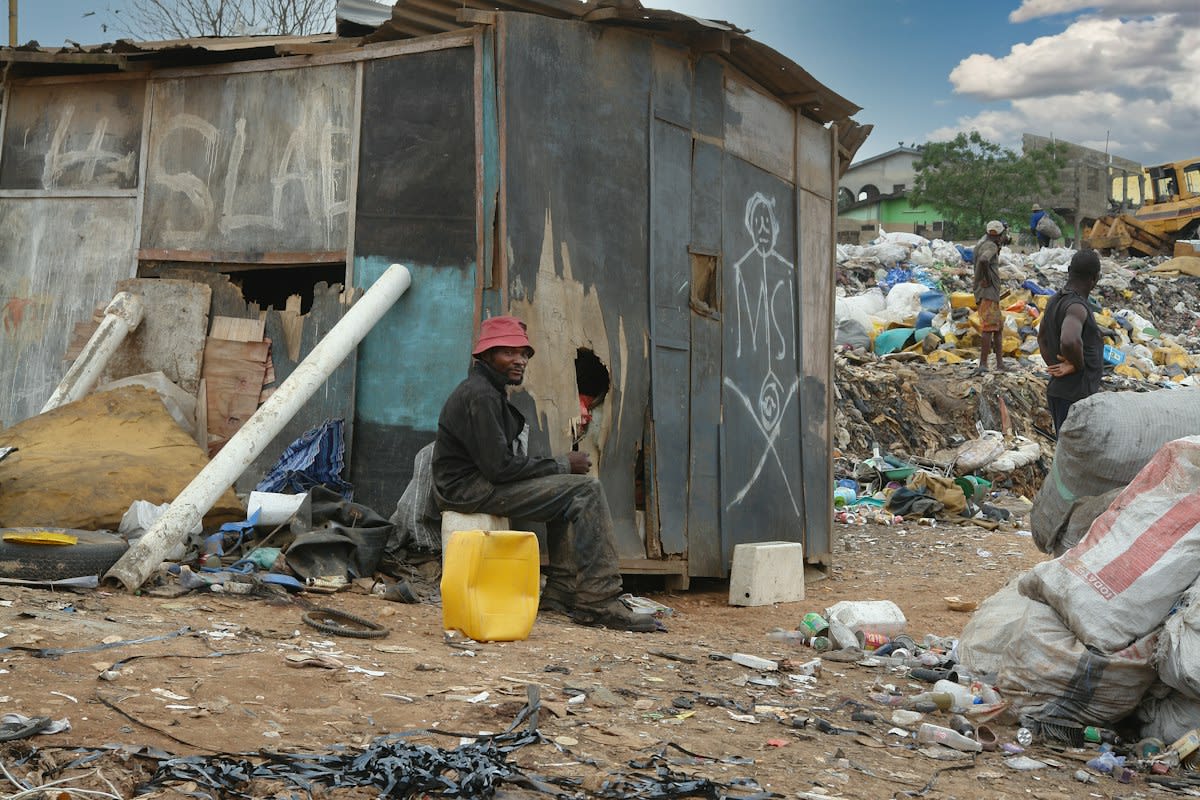
The technical gap is closing. These operators do not use manuals. They use intuition. They strip gold from pins using caustic chemicals. They burn cables to hit the copper core. It is brutal. It is toxic. But it is efficient. (Source: Basel Action Network, 2023). They extract value from 'dead' hardware that formal recyclers deem too costly to process. The profit margin is the difference between corporate compliance and raw survival.
"The formal recycling industry is built on the assumption that waste is a liability. In Agbogbloshie, waste is the primary asset. They have built a shadow economy that thrives on the failure of the official circular economy."— Marcus Rowell, Lead Analyst at the Global E-Waste Observatory
This is the second-order consequence. The 'donated' computer becomes a revenue stream. The 'recycled' server becomes a source of high-grade aluminum. The brands lose control of their materials. They lose the ability to track the lifecycle of their products. The data is gone. The hardware is shredded. The materials are re-sold into the local market. The loop is not closed. It is shattered.
The Logistics of the Leak
Follow the route. From the data centers of Ashburn, Virginia. To the shipping containers in Tema. To the muddy flats of Accra. The process is seamless. It relies on a network of middle-men. These brokers operate in the grey. They relabel hazardous waste as 'second-hand goods'. This bypasses the Basel Convention. (Source: UN Environment Programme, 2022). The brands ignore it. It keeps their balance sheets clean.
| Metric | Formal Recycling (EU/US) | Informal Mining (Agbogbloshie) |
|---|---|---|
| Processing Speed | Slow (Compliance-heavy) | Instant (Market-driven) |
| Recovery Cost | High (Labor/Safety) | Near Zero (Externalized) |
| Material Purity | High (Industrial) | Variable (Manual) |
| Regulatory Overhead | Extreme | Non-existent |
The third-order consequence is the emergence of a new hardware class. The 'Frankenstein' device. Scavengers strip parts from ten broken laptops to build one working unit. These units flood the markets in Lagos and Nairobi. They are unbranded. They are unoptimized. They are indestructible. This creates a parallel tech ecosystem. It is a market the brands cannot penetrate. They cannot sell new units to people who have mastered the art of the rebuild.
Compare the current state to six months ago. The volume of 'smart' waste has spiked. IoT devices. Wearables. These have different material compositions. More lithium. More cobalt. The scavengers have adapted. They have developed new, dangerous methods to crack battery casings. They are chasing the lithium delta. The price of cobalt fluctuates in London. The reaction is felt in Accra within 48 hours.
Ground-Level Friction: The Ugly Reality
The dirt is where the diplomacy fails. It is not a clean operation. It is a war of attrition. Scavengers fight over 'premium' piles. The ones containing server-grade RAM. The ones with high-density gold plating. Bribes flow to the Accra Metropolitan Assembly. Police raids are scheduled. Everyone knows the date. The raids are a performance. A tax. A way to keep the informal economy paying for its existence.
Failed prototypes litter the site. EU-funded 'green' recycling centers were built here. They failed. Why? They required the scavengers to bring waste to a center. They required paperwork. They offered lower prices than the middle-men. The scavengers ignored them. Some even looted the centers for the copper wiring in the walls. The friction is the human ego. The belief that Western systems can be imposed on a survival economy.
- Thermal stripping: Using open fires to remove PVC insulation from copper wiring.
- Chemical leaching: Using acid baths to extract gold from CPU pins.
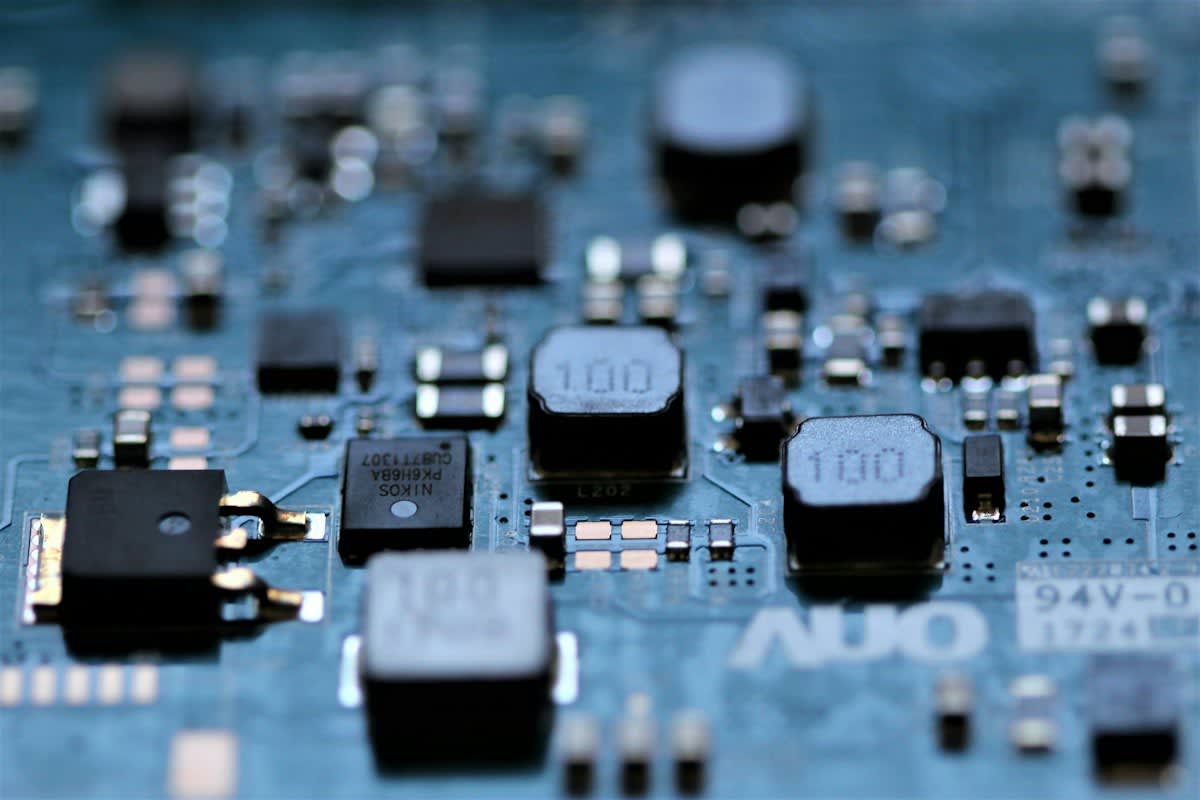
- Component cannibalization: Stripping capacitors and resistors for local repair shops.
- Arbitrage flipping: Selling refined scrap to international traders for USD.
This creates a feedback loop. The more complex the electronics, the more valuable the scrap. The more toxic the process, the cheaper the labor. (Source: Lancet Planetary Health, 2021). The brands are effectively outsourcing their environmental liabilities. They pay a shipping company. The shipping company pays a broker. The broker dumps the load. The brand claims 'zero waste'. The scavengers take the hit.
The real victory for the scavengers is the intellectual property. They have reverse-engineered the most durable parts of the global supply chain. They know which capacitors last. Which solder holds. They are the ultimate quality control testers. They see the failure points of a MacBook Pro long before the engineers in Cupertino do. They see the rot. They harvest the gold.
Fact-Check & Accuracy Note
The data on e-waste leakage is chronically underreported. Official figures from the Global E-waste Monitor often miss the 'grey' shipments that bypass customs via mislabeling as 'donations'.