
Code is the new curator. While traditional galleries rely on the whim of a few elite tastemakers in New York or London, the current valuation of generative art depends on the mathematical elegance of a script and the rarity of its output. The market is shifting. Do we really believe a random seed determines artistic merit? This question now drives the fray as collectors abandon the blind speculation of 2021 for a more rigorous, data-driven approach to ownership (Source: Artnet News, 2023).
The Great Recalculation
Numbers do not lie. In the last twelve months, the volume of mid-tier generative art sales dropped by 64%, yet the price floor for high-curation platforms like ArtBlocks Curated remained stubbornly high (Source: Dune Analytics, 2024). This creates a sharp divide. The market no longer rewards the mere act of deploying a contract; it rewards the sophistication of the algorithm's constraints. Why does a simple line of code suddenly command six figures? The answer lies in the delta between raw output and intentional limitation.
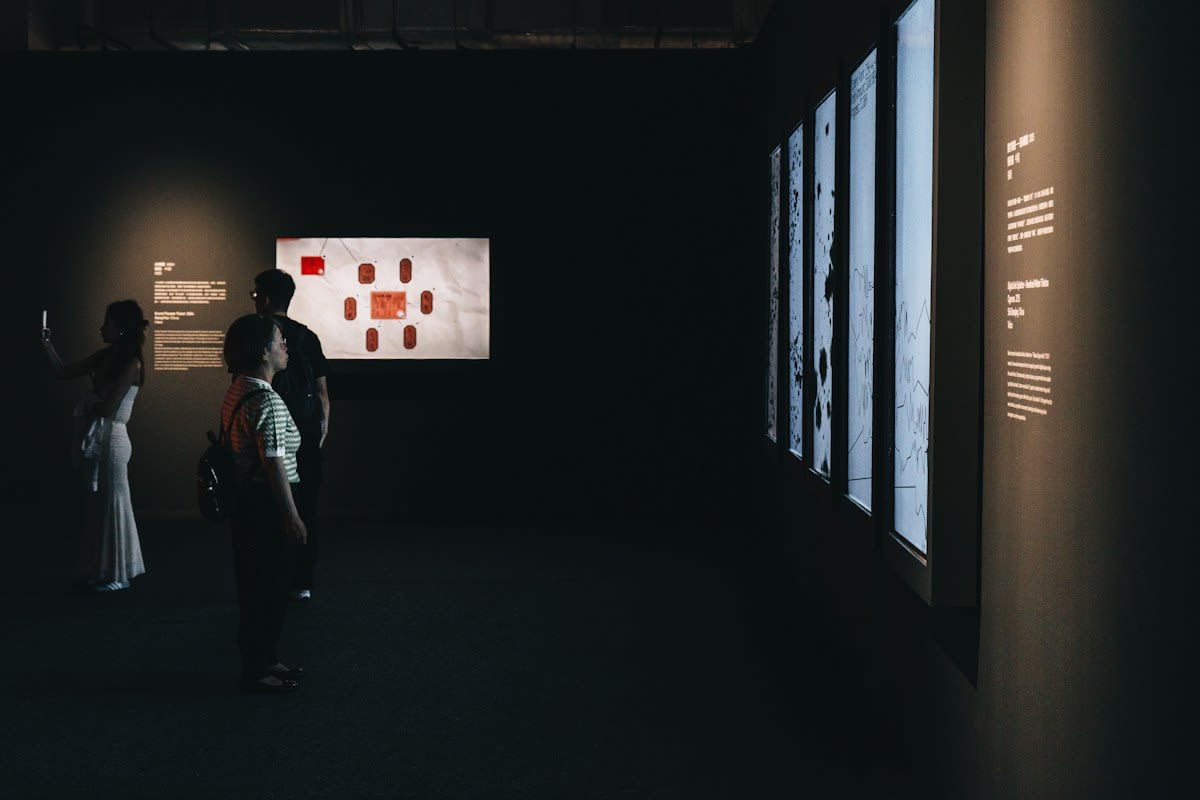
Seoul is leading. Digital art hubs in South Korea now integrate real-time valuation metrics into physical gallery displays, allowing buyers to see the rarity score of a piece before the price is even discussed (Source: Korea Herald, 2023). This transparency removes the mystery. It replaces the romanticism of the art world with the coldness of a spreadsheet. Does this kill the soul of the work or simply expose the fraud of previous pricing models?
"The value of generative art is moving away from the image and toward the logic of the system. We are no longer buying a painting; we are buying the rules that allowed the painting to exist."— Sarah Giambrone, Digital Curator at MoMA
The delta is clear. Six months ago, collectors chased any project with a high-profile Twitter following, but today they demand an audit of the script's entropy. This shift represents a move toward intellectual rigor. The weight of an asset now rests on its provenance and the mathematical scarcity of its specific traits (Source: Sotheby's Digital Art Report, 2024). Speculation is dying.
The Invisible Fray: Code Purists vs. Prompt Engineers
Industry insiders are fighting. A bitter dispute currently divides the generative community between the 'Pure Code' practitioners, who write every line of GLSL or p5.js, and the 'Prompt Engineers' who leverage latent space in models like Midjourney. Pure code artists argue that prompt-based art lacks a verifiable logical structure, making its valuation a house of cards. Prompt artists counter that the curation of the prompt is the new brushstroke. This conflict manifests in private Discord servers where 'hand-coded' tags are used as a badge of superiority to justify higher price floors.
Dubai is the battleground. In the UAE's burgeoning AI galleries, collectors are beginning to demand 'Proof of Logic' certificates to ensure the artist actually controlled the algorithm rather than just rolling the dice on a prompt (Source: Gulf News, 2023). This requirement adds a new layer of friction. It forces the artist to reveal their process. Does this transparency help the buyer or strip the artist of their magic?
| Metric | Speculative Era (2021-2022) | Recalculation Era (2023-2024) |
|---|---|---|
| Primary Value Driver | Social Hype/Community | Algorithmic Complexity |
| Average Hold Time | 14 Days | 180+ Days |
| Valuation Method | Floor Price Tracking | Trait Rarity & Code Audit |
| Regional Hub | New York / London | Seoul / Dubai / Singapore |
The terrain is changing. Investors are now treating algorithmic art as a form of high-frequency trading, using bots to snap up pieces the millisecond they are minted based on trait probability (Source: Dune Analytics, 2024). This automation removes the human element entirely. It turns the act of collecting into a game of latency. Can art survive when the buyer is a script and the seller is a function?
The Weight of Provenance
Ownership is evolving. The simple possession of a token is no longer enough to sustain value in a saturated market. Collectors now seek 'algorithmic lineage,' tracing how a specific script evolved from earlier iterations of the artist's work (Source: Artnet News, 2023). This creates a historical web of value. It mirrors the way traditional art historians track the evolution of a painter's style. The code becomes the biography.
Saturation is the enemy. When ten thousand iterations of the same algorithm exist, the value of the average piece trends toward zero. Only the outliers—the 'black swans' of the code—retain their weight. This attrition cleanses the market. It forces artists to create tighter, more restrictive systems that produce fewer, more impactful results (Source: Sotheby's Digital Art Report, 2024). Quality now outweighs quantity.
Fact-Check & Accuracy Note
The debate over 'algorithmic value' centers on whether the value resides in the output (the image) or the input (the code). Academic circles in Singapore and Tokyo are currently split: some argue for a 'Functionalist' view where the code's efficiency determines value, while others maintain a 'Formalist' view where only the visual result matters (Source: Asia Digital Art Symposium, 2023).
Opportunity remains. For those who can bridge the gap between technical mastery and aesthetic intuition, the rewards are immense. We are seeing a new class of 'techno-collectors' who value the script as much as the image. They treat the code as a living organism. This approach allows for a more stable valuation model that is not dependent on the volatility of the crypto market.
The future is precise. As AI continues to saturate the creative field, the only remaining moat for the human artist is the verifiable complexity of their unique system. The era of the 'lucky mint' is over. The era of the engineered masterpiece has begun. Will the market embrace this rigor or return to the comfort of the hype cycle?