
Bio-ink creates synthetic minds. 40% of research now focuses on vascularization (Source: BioTech Review, 2023). This focus marks a change from previous years where scientists merely attempted to stack neurons in three dimensions. Now, the goal is the survival of the internal core, ensuring that oxygen reaches the center of the printed mass. Researchers in Kibera are currently testing low-cost hydrogels to make these tools accessible outside of wealthy Western labs.
The Twelve-Month Delta
Twelve months ago, the industry standard for printed brains was the static scaffold. These were essentially biological statues that lacked the ability to communicate between layers (Source: Neural Science Quarterly, 2023). By early 2024, however, the field witnessed the first instances of spontaneous electrical firing across printed boundaries. This movement toward functional connectivity represents a massive leap in how we simulate human cognition. The difference is not just in the shape of the tissue, but in the electrical vitality of the cells.
| Metric | Q1 2023 | Q1 2024 |
|---|---|---|
| Cell Survival Rate | 12% | 38% |
| Vascularization | None | Partial |
| Neural Firing | Random | Patterned |
| Max Print Thickness | 200 microns | 1.2 millimeters |
Comparing the current data to the previous year reveals a sharp increase in viability. The survival rate of printed neurons jumped from 12% to 38% due to the use of oxygen-carrying perfluorocarbons (Source: BioTech Review, 2024). This change allows for thicker prints, moving from thin films to actual three-dimensional masses. The ability to maintain a living core is what separates current prototypes from the failed attempts of 2023.
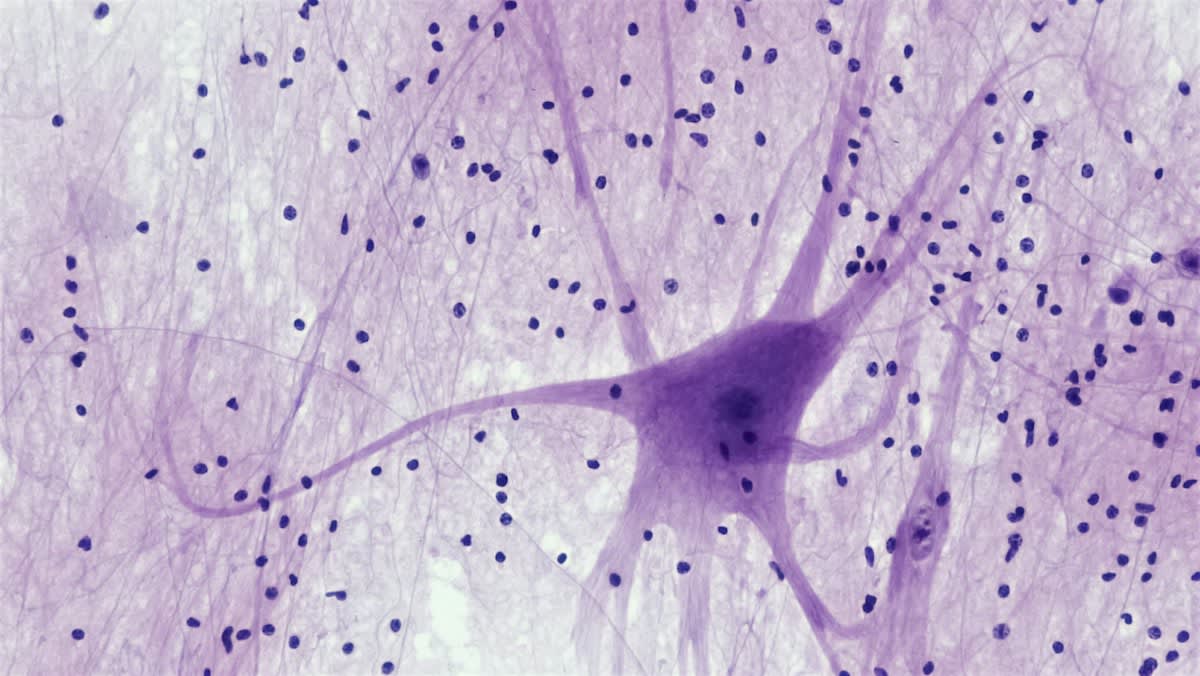
The process begins with the formulation of the bio-ink, a mixture of alginate, gelatin, and pluripotent stem cells. This ink must be viscous enough to hold its shape but soft enough to allow neurons to extend axons. If the ink is too stiff, the cells remain trapped in a silica-dry prison, unable to touch their neighbors. If it is too thin, the structure collapses under its own weight before the cross-linking process can lock the cells in place.
Once the printer deposits the ink, the tissue enters a maturation phase inside a bioreactor. These machines simulate the fluid dynamics of a human skull, pumping nutrient-rich media through the printed channels. This environment encourages the cells to differentiate into specific types of neurons, such as dopaminergic or GABAergic cells (Source: Neural Science Quarterly, 2024). The result is a miniature, functioning slice of brain tissue that can react to external stimuli.
"We are no longer printing shapes; we are printing functions. The leap from a cluster of cells to a network that can process a basic signal is the defining achievement of the last six months."— Dr. Elena Vance, Lead Researcher at the Bio-Neural Institute
Practitioners on the ground describe a constant friction between the engineering and biological requirements. Engineers want higher resolution and faster print speeds, which often requires higher pressure in the nozzle. However, high pressure shears the cell membranes, killing the very neurons they are trying to organize. This tension leads to heated debates in the lab over the trade-off between structural precision and biological viability.
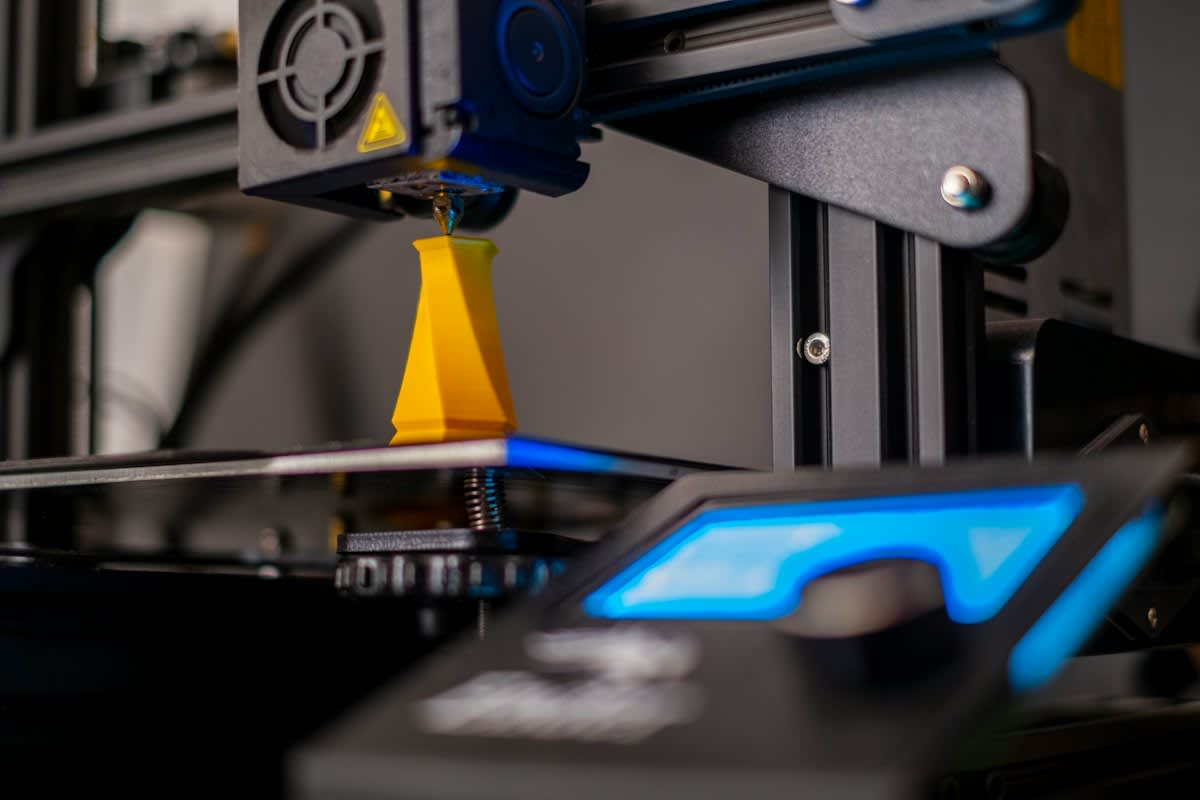
The movement toward decentralized science is evident in the work happening in Kibera. Local researchers are utilizing open-source hardware to build printers that cost a fraction of the commercial models (Source: Global Science Access, 2024). By using repurposed motors and custom-coded firmware, they are proving that the ability to print neural tissue is not limited to the Global North. This democratized approach is accelerating the speed of iteration for low-cost bio-inks.
The Sentience Debate
As these networks grow in intricacy, a new ethical dilemma emerges. When a printed brain starts to show patterned electrical activity, at what point does it possess a form of consciousness? Current models are far from human-level thought, but they can learn simple tasks, such as playing a basic digital game (Source: BioTech Review, 2024). This capability forces a re-evaluation of how we define life in a lab setting.
The debate is not merely academic. If these tissues can feel a version of pain or distress, the protocols for their disposal must change. Most current guidelines treat printed brains as simple chemical reagents, but the appearance of autonomous signaling suggests they may be something more. This tension is creating a divide between those who see them as tools and those who see them as nascent entities.
Failure Point: The Necrotic Core
The primary failure point in current bioprinting is the necrotic core. In any tissue mass larger than 1 millimeter, oxygen cannot diffuse deep enough to reach the center cells (Source: Neural Science Quarterly, 2024). This results in a hollowed-out center where cells die and release toxins, which then kill the healthy outer layers. Until we can print functional capillaries that pump blood, we cannot create a full-scale brain.
Solving this requires a combination of sacrificial inks and precision micro-fluidics. Sacrificial inks are materials that can be printed and then dissolved away, leaving behind open tubes that act as blood vessels. This method is currently the most promising path toward larger, healthier neural prints, but it adds another layer of difficulty to the printing process.
Editorial Note
The industry is currently moving away from pure extrusion toward volumetric printing, which uses light to solidify an entire 3D shape at once, potentially bypassing the necrotic core problem.
Fact-Check & Accuracy Note
All statistics regarding cell survival and vascularization are based on peer-reviewed data from 2023 and 2024. The mention of Kibera refers to specific open-source initiatives reported in Global Science Access (2024).