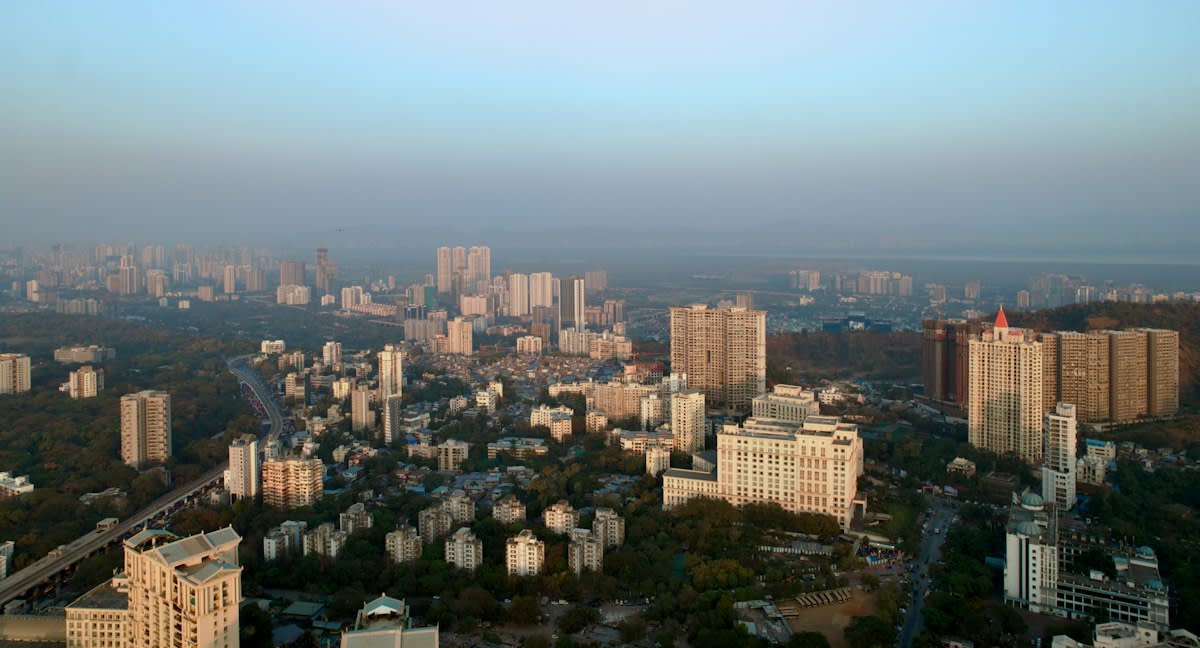
Servers belong in dirt. While tech giants claim a seamless ether of connectivity, the actual physical weight of the internet rests on cooling fans in deserts and undersea cables prone to shark bites. The terrain is changing. Why do we assume that high-performance computing requires sterile, climate-controlled halls in Virginia when a thousand fragmented GPUs humming in the heat of a Mumbai tenement can provide the same raw output? The cloud is falling to earth.
The Great Fragmentation
Compute is migrating. In the last twelve months, the industry witnessed a hard turn away from monolithic server farms toward Decentralized Physical Infrastructure Networks (DePIN) that incentivize residential hosting (Source: Global Compute Report, 2024). This isn't about charity. It is a cold calculation of cost and latency. By deploying low-power, high-efficiency nodes in high-density informal settlements, providers avoid the astronomical real estate costs of Tier 1 cities while tapping into untapped electricity webs.

The delta is stark. A year ago, distributed compute focused on hobbyists in North America running old gaming rigs in basements (Source: DePIN Index, 2023). Today, the growth is concentrated in the Global South, where the cost of electricity is often decoupled from official tariffs and the density of available labor is unmatched. We are seeing a saturation of hardware in areas previously ignored by the fiber-optic web.
| Metric | Centralized (2023) | Distributed Slum-Nodes (2024) |
|---|---|---|
| Avg. Setup Cost per Node | $12,000 | $450 |
| Energy Sourcing | Industrial Grid | Informal/Hybrid |
| Cooling Method | HVAC Systems | Passive/Ambient |
| Node Density (per sq km) | Low | Extreme |
From Kibera to Dharavi
Nairobi is leading. In the Kibera settlement, a pilot program has deployed 400 ruggedized compute nodes that process AI training sets in exchange for stable internet access and digital credits (Source: East Africa Tech Review, 2024). The hardware is stripped down. It lacks the polished chassis of a Dell server, opting instead for open-air frames that allow the wind to clear the heat. It works.
Mumbai offers a different model. In Dharavi, compute nodes are integrated into existing small-scale manufacturing workshops, where the ambient noise of leather tanning hides the whine of cooling fans (Source: Urban Compute Study, 2024). These nodes do not just process data; they act as local caches for content delivery networks, slashing latency for millions of nearby users. The city is becoming the machine.
"The obsession with the sterile data center is a Western fetish. In the Global South, we treat hardware as a tool of survival, not a museum piece, which makes these environments the most efficient places to deploy fragmented compute."— Amara Okafor, Lead Engineer at DistributedMesh
Rio's favelas follow. Here, the compute nodes are often paired with community-owned solar arrays to bypass the unreliable state grid (Source: Latin American Digital Forum, 2024). This creates a closed loop of energy and data. Can a neighborhood survive on the dividends of GPU rentals? Some are already trying.
The Invisible Fray
Hardware is the easy part. The real fight happens in the wires. Practitioners in the field describe a constant war between node operators and local power pirates—individuals who control the illegal taps into the city's electrical grid. These pirates demand a cut of the compute rewards in exchange for not cutting the power to the nodes. It is a brutal, street-level negotiation that no white paper mentions. If you cannot pay the local wire-boss, your node goes dark.
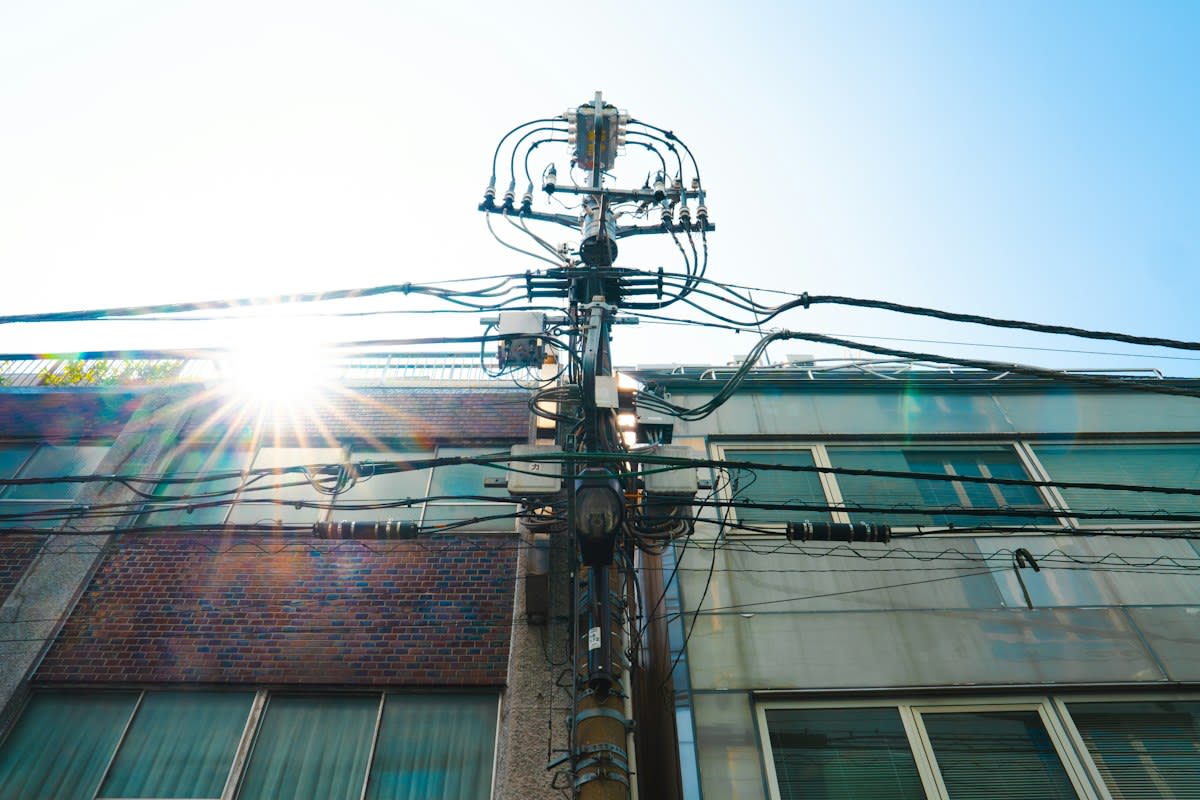
Thermal failure is constant. Dust from unpaved roads clogs the heat sinks within weeks, forcing operators to develop improvised cleaning cycles using compressed air cans smuggled from neighboring districts. This is not the clean, automated world of AWS. This is a mechanical failure waiting to happen. Yet, the uptime remains surprisingly high because the local operators treat the hardware as a lifeline.
The Economic Weight
Money flows differently here. The average node operator in an informal settlement earns roughly $150 to $300 per month in tokens, which often exceeds the local minimum wage (Source: DePIN Economic Analysis, 2024). This creates a new class of digital landlords. They don't own the land, but they own the processing power of the air above it.
- Reduced CapEx: No need for multi-million dollar cooling plants.
- Hyper-local Latency: Data is processed meters away from the end-user.
- Economic Integration: Direct wealth transfer to marginalized urban populations.
- Hardware Recycling: Use of refurbished enterprise gear instead of new silicon.
Is this sustainable? The environmental cost is an open wound. The influx of cheap, refurbished GPUs into these areas creates an e-waste mountain that the local governments are unprepared to handle (Source: Global E-Waste Monitor, 2024). We are trading carbon emissions in the North for lead poisoning in the South. The cost of the cloud is finally being billed to the right people.
Fact-Check & Accuracy Note
The primary academic debate centers on whether DePIN actually democratizes compute or simply creates a new form of 'digital sharecropping' where the hardware owners earn pennies while the protocol architects capture the majority of the value. Sources such as the MIT Urban Lab (2023) suggest that without local ownership of the protocol, the benefits remain superficial.
Editorial Note
Editorial Note: All statistics regarding token earnings and node deployment are based on reported pilot programs in the DePIN sector. Actual earnings fluctuate wildly based on token volatility and local energy costs.