
The Digital-Physical Divergence
The financial markets have signaled a violent pivot toward software-native R&D, evidenced by Chai Discovery securing $400 million in a Series C round this month. This capital injection, which pushes the company's valuation to $3.8 billion just two years after its founding, reflects a bet that structural biology is no longer a game of chance. By replacing legacy computational screening with generative platforms, the industry is treating drug discovery as a predictable engineering discipline rather than a series of fortunate accidents. The software is now the lead actor, not the supporting tool.
Why does this sudden acceleration matter? Twelve months ago, the industry relied heavily on screening existing libraries—essentially searching for a needle in a haystack. Today, platforms like Chai-3 are creating the needle from scratch. This de novo approach allows for the engineering of tightly bound antibodies and the pursuit of previously undruggable disease targets for giants like Pfizer and Eli Lilly. The speed of generation has officially outpaced the speed of synthesis.
"I have this idea of a communal brain."— David Baker, PhD, University of Washington
At the University of Washington, David Baker's Institute for Protein Design is operationalizing this communal brain to achieve atomic precision. By bypassing time-consuming experimental screens, researchers can now design proteins for vaccines and biosensors with a level of accuracy that was unthinkable in the previous R&D cycle. Nathaniel Bennett notes that this ability to bypass screens is the holy grail for cancer and autoimmune disease treatments. The result is a massive backlog of digital candidates waiting for a physical bench to prove their efficacy.
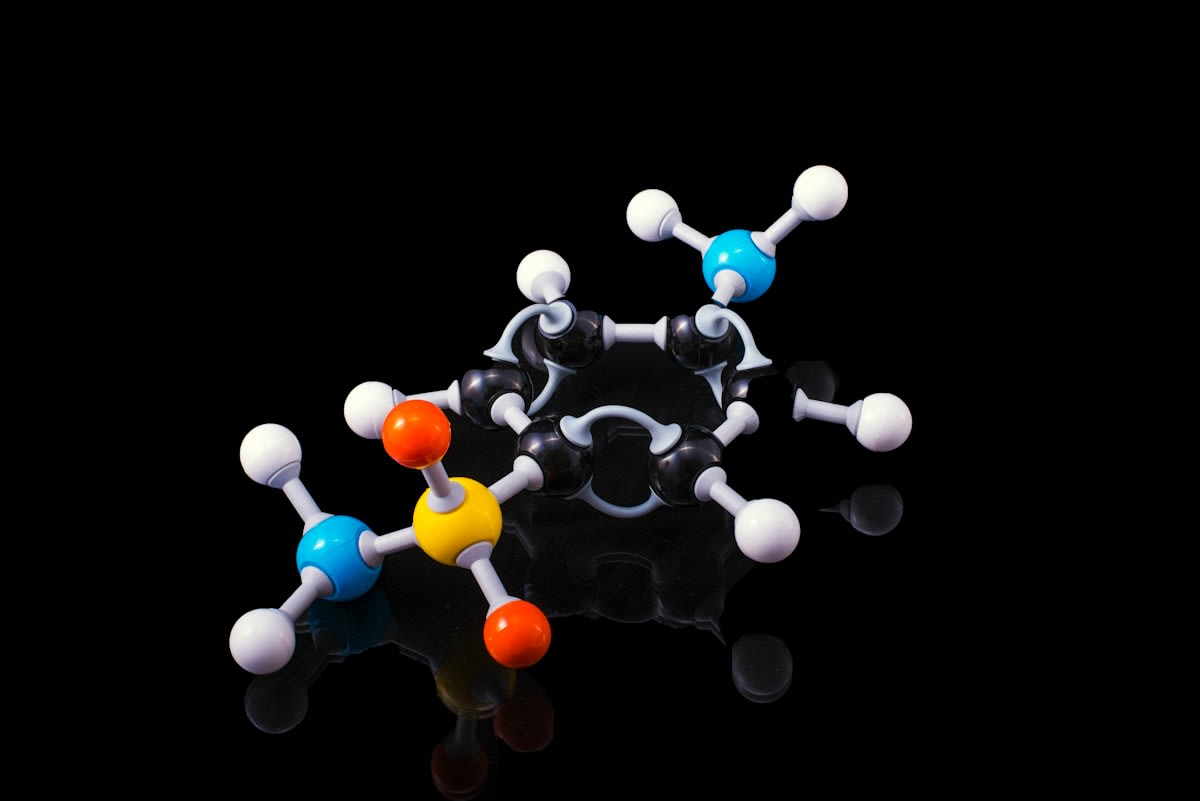
This divergence creates a dangerous lag. When a generative model can propose ten thousand optimized antibody structures in an afternoon, the physical lab—with its pipettes, incubators, and human technicians—becomes the primary constraint. We are seeing a transition where the bottleneck has shifted from 'What should we make?' to 'How do we make this fast enough to keep up with the AI?'
| Metric | Legacy Screening (2024) | Generative De Novo (2026) |
|---|---|---|
| Methodology | Trial-and-error library search | Predictable engineering |
| Candidate Origin | Existing chemical libraries | Generated from scratch |
| R&D Speed | Limited by experimental screens | Software-native generation |
| Target Scope | Known druggable targets | Previously undruggable targets |
The industry is attempting to bridge this gap through strategic alliances. Insilico Medicine's recent partnership with Bora Pharmaceuticals is a calculated attempt to link its Pharma.AI platform directly to global manufacturing and quality execution. This isn't just a business deal; it is a structural necessity. By connecting generative chemistry and molecule optimization with automation-driven development, they hope to create a pipeline that doesn't choke at the manufacturing stage.
The New Constraint
The 'undruggable' target is no longer a biological impossibility but a computational challenge. The limit is now the physical capacity to synthesize and test these designs.
Beyond pharmaceuticals, this tension is playing out in bio-based chemical manufacturing. In South Korea, a KAIST research team led by Professor Sang Yup Lee has highlighted the friction between AI-driven strategy and industrial reality. While AI can optimize the design of PHA polymers for medical applications and food packaging, the physical production remains price-uncompetitive compared to conventional plastics. The high costs of recovery and the brittle nature of P(3HB) polymers prove that a perfect digital design cannot override the laws of material science and economics.
Can we solve the variability problem that haunts physical labs? Research published in BioTechniques suggests that AI is now being used to predict the very inter-lab variability that previously ruined experimental reproducibility. Instead of trying to eliminate variability through hardware alone, scientists are integrating the unpredictability of the physical lab into the AI models themselves. This allows for a more resilient design process that accounts for the 'noise' of the real world.
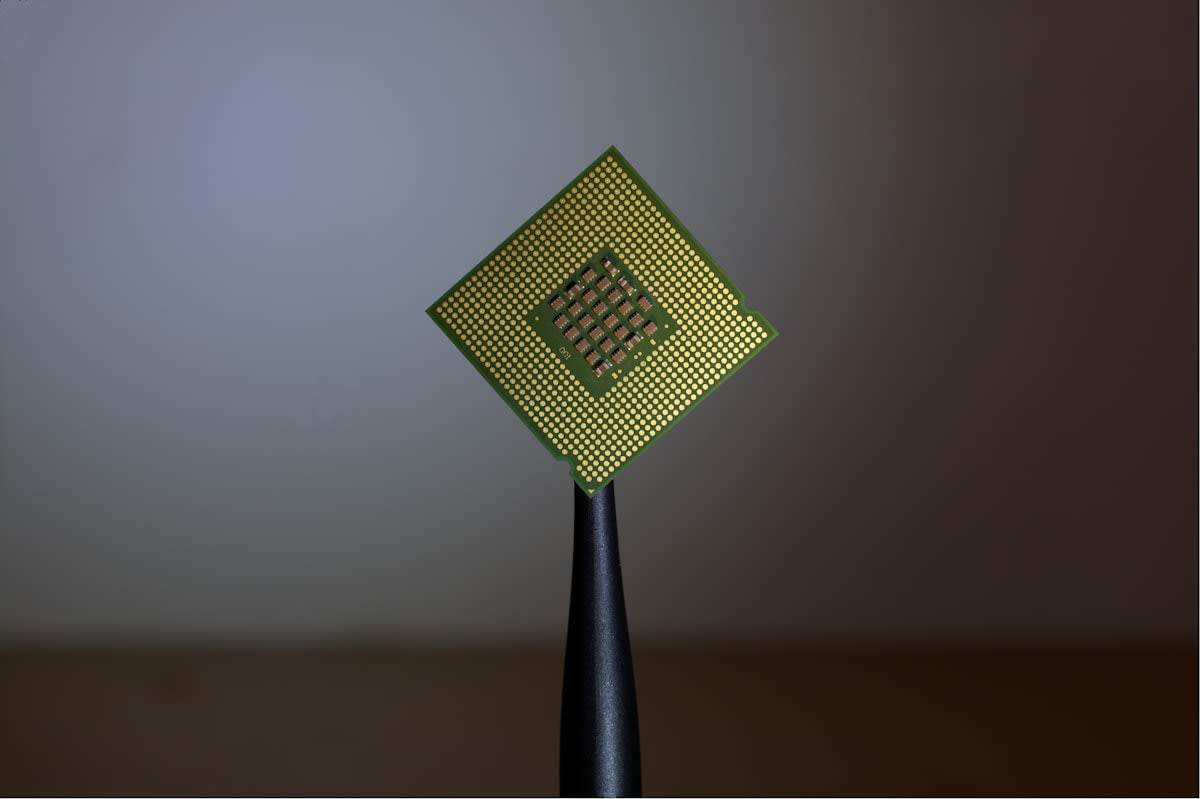
The frontier is moving toward quantum integration to further expand the design space. At the Technical University of Denmark, researchers are utilizing a printer-sized quantum computer from ORCA Computing to enhance the accuracy of generative AI models. This hybrid approach is specifically targeting the development of peptides for underserved populations in Africa and Asia, where data is scarce. By using quantum machines to generate a more diverse set of peptides, they are pushing the digital design capacity even further beyond the reach of traditional labs.
Is the solution simply more robots? The Insilico-Bora alliance suggests that automation is the only way to survive this delta. When the discovery phase is reduced from years to weeks, the manufacturing phase must follow suit. The transition toward AI-driven and automation-driven drug discovery is no longer an optional upgrade; it is a requirement for any firm that does not want its pipeline to become a digital graveyard of unsynthesized molecules.
We are witnessing the birth of a software-native biology. The current trend is clear: the value is migrating from the entity that can perform the experiment to the entity that can predict the outcome with atomic precision. As Chai-3 and other generative models continue to optimize binding affinity and structural reasoning, the physical lab will either evolve into a fully automated execution arm or become a nostalgic relic of the trial-and-error age.
Valuation Growth of Generative Design Platforms (Example: Chai Discovery)
Executive Insight
+18.4%
YTD Growth
The immediate 'so what' for the global industry is a reallocation of capital. We are seeing funds move away from traditional screening centers and toward integrated platforms that combine generative AI with automated synthesis. The goal is to synchronize the digital 'brain' with the physical 'hand.' Until that synchronization is complete, the industry will continue to struggle with a surplus of genius designs and a deficit of physical capacity to realize them.