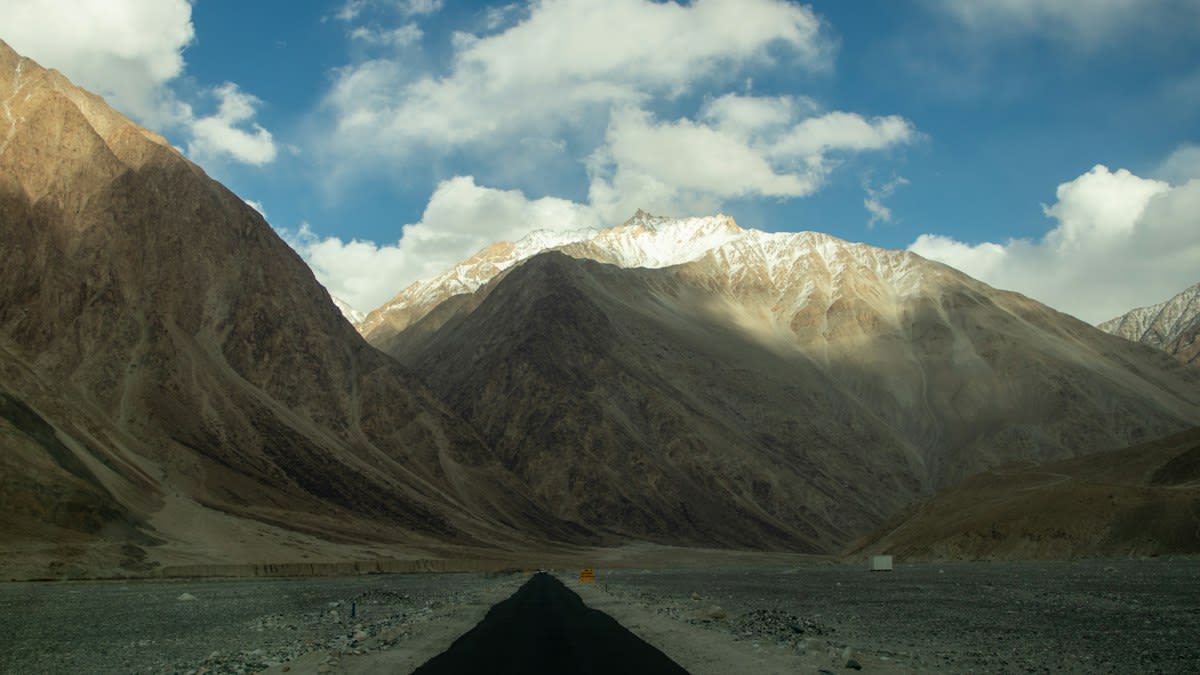
Ice Stupas fight drought. 40 water bodies are developed across 40 villages under Project Him Sarovar (Source: Outlook India, 2026). This state-led initiative aims to solve water scarcity where agriculture depends on snowmelt and glacial runoff (Source: Outlook India, 2026). However, the sudden influx of capital suggests a reaction to existing local successes. The government's approach relies on massive funding rather than the lean innovation seen in artificial glaciers. This transition from community-led solutions to state-managed assets raises questions about sustainability.
Artificial Glaciers and Local Ingenuity
Sonam Wangchuk developed Ice Stupas as a way to store winter water in the form of towering ice cones (Source: Facebook, 2026). These structures act as artificial glaciers, capturing water that would otherwise flow away during the winter. By freezing water in a conical shape, the surface area is minimized, which slows the melting process. This allows farmers to access water later into the spring when it is most needed for crops. The technology is a response to the extreme climate and the unpredictability of natural glacial melt.
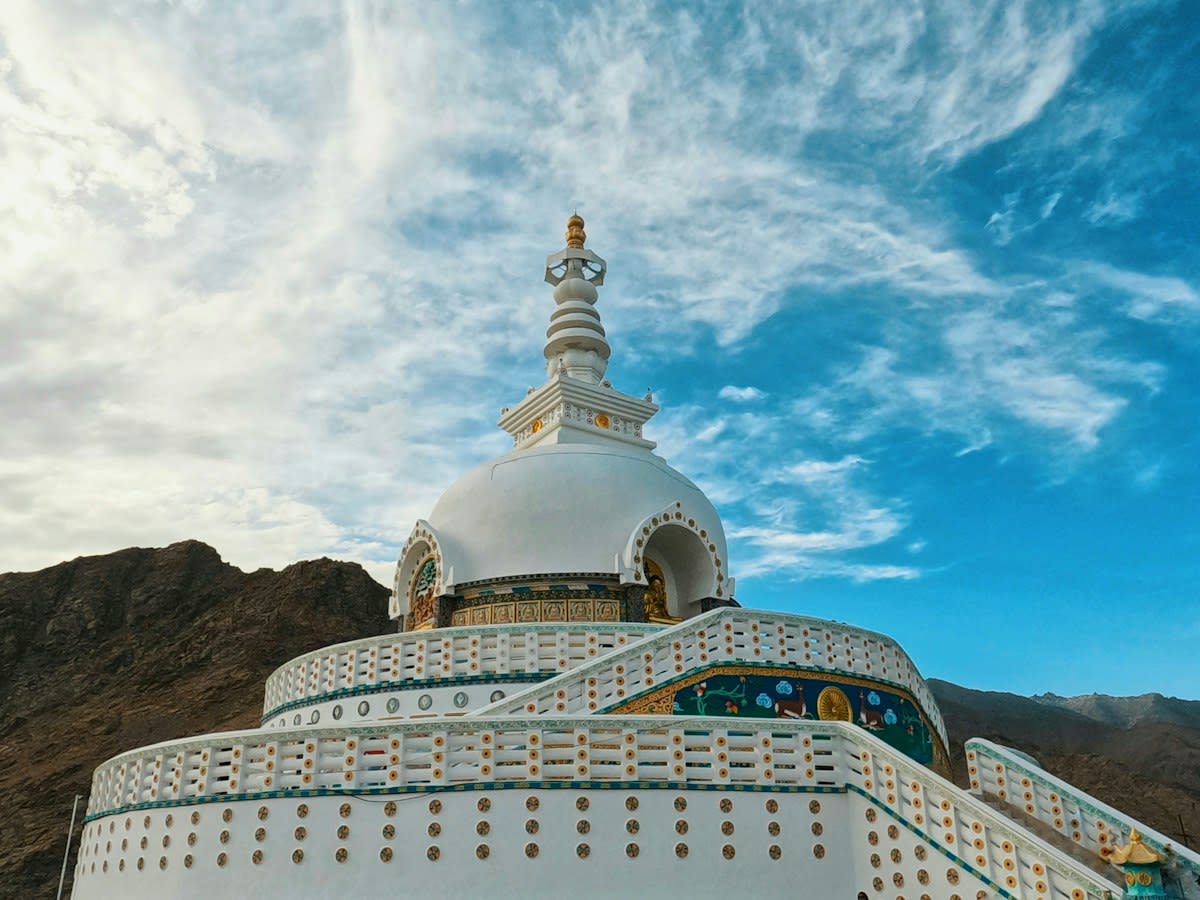
Local adoption of these ice cones shows a preference for low-cost, high-impact tools over delayed government aid. The process of building a stupa involves simple piping and gravity, making it accessible to village councils. It removes the need for heavy machinery or massive concrete dams that often disrupt the terrain. This method respects the natural flow of water while providing a reliable buffer against drought. The success of these stupas has put a spotlight on the inefficiency of traditional water management.
The 3,350 Crore State Response
Prime Minister Narendra Modi is dedicating five major development projects worth approximately 3,350 crore in the region (Source: Outlook India, 2026). These projects cover air connectivity, road infrastructure, and power systems. While water security is mentioned as a focus, it is bundled with strategic road works and airport upgrades (Source: Times of India, 2026). The scale of spending is immense, yet the direct benefit to the smallest farming hamlets remains unclear. Much of the funding targets connectivity that serves state interests rather than local hydrology.
Project Him Sarovar is the primary vehicle for water conservation within this package (Source: Outlook India, 2026). It aligns with the objectives of Mission Amrit Sarovar, focusing on creating water bodies across 40 villages. The goal is to address seasonal variations in water availability. However, the implementation of 40 water bodies across a vast territory may lack the precision of the Ice Stupa model. State-funded ponds often suffer from evaporation and siltation if not managed with local knowledge.
"Sonam Wangchuk has demanded Amit Shah’s resignation over the September 2025 Leh violence that killed four civilians."— Reported Demand, Source: Outlook India, 2026
Political tension in Leh complicates the reception of these development projects. The violence of September 2025, which resulted in four civilian deaths, has created a rift between local leaders and the central government (Source: Outlook India, 2026). When the state announces billions in spending shortly after such unrest, the projects are often viewed as pacification tools. The demand for resignations suggests that infrastructure cannot replace political trust. The 3,350 crore investment may be seen as a distraction from the human rights concerns raised by Wangchuk.
This friction creates a strange dichotomy where the state provides the money, but the people trust the innovator. The government's focus on strategic roads and airport connectivity serves a different purpose than the Ice Stupas. While the state builds for movement and defense, the local innovator builds for survival. This gap in priority defines the current struggle for autonomy in the region.
| Metric | Ice Stupa Model | Project Him Sarovar |
|---|---|---|
| Primary Funding | Community/Local | State (Part of 3,350 Cr package) |
| Core Technology | Artificial Glaciation | Water Body Construction |
| Scale of Impact | Village-Specific | 40 Villages (Source: Outlook India, 2026) |
| Implementation Speed | Rapid/Seasonal | Long-term Government Cycle |
| Primary Goal | Agricultural Survival | Regional Development/Security |
Beyond water, the state is investing in the conservation of petroglyphs to protect archaeological remains (Source: Times of India, 2026). These ancient carvings provide insights into thousands of years of human history. The creation of a conservation park aims to encourage responsible heritage tourism. While this preserves the past, it does little to solve the immediate water crisis facing current residents. The state is effectively funding a museum while the farmers are still fighting for every drop of meltwater.
Field work reveals a tension between state-led engineering and local ingenuity. Practitioners often see a gap where the 3,350 crore budget fails to account for the frost-bitter nuances of glacial runoff. The friction is not just technical but political, as seen in the demands for resignations following the 2025 violence. Local builders prefer the autonomy of ice cones over the bureaucracy of government-mandated water bodies. This friction defines the current era of water management in Leh.
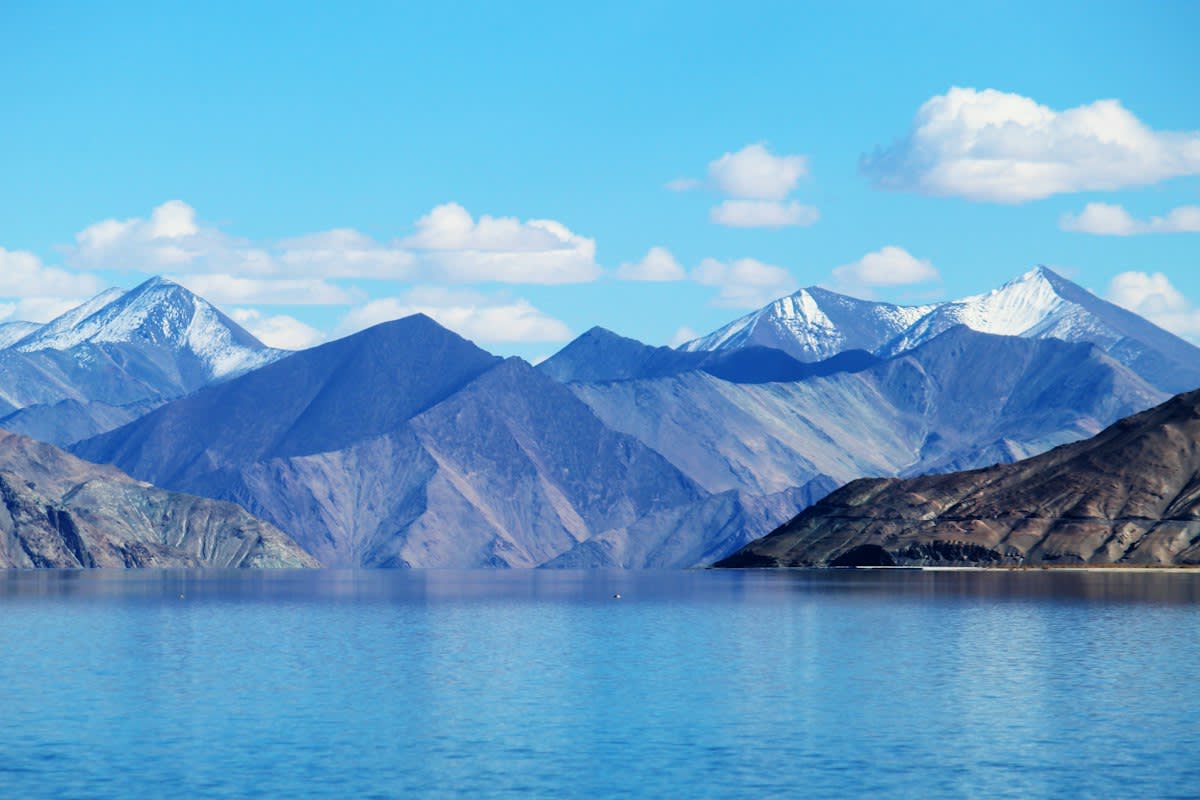
Evaluating the efficacy of these two models requires looking at the cost-to-benefit ratio. The government's 3,350 crore package is a blanket investment in the territory's viability. In contrast, the Ice Stupa is a precise instrument for a specific problem. If the state ignores the lessons of the artificial glacier, the new water bodies may become stagnant pools. The success of the region depends on whether the state can integrate local innovation into its massive spending plans.
Failure Points
- Rapid thermal increase causing Ice Stupas to melt before the planting season begins.
- Misallocation of the 3,350 crore fund toward strategic roads instead of village-level water security.
- Political instability in Leh leading to the abandonment of Project Him Sarovar sites.
- Over-reliance on state-funded water bodies that lack local maintenance knowledge.
The outcome of this transition will be measured by the crop yields in the next decade. If the 40 water bodies under Project Him Sarovar fail to provide consistent water, the state's investment will be seen as a waste. The Ice Stupa remains the more resilient model because it is owned by the people. True security comes from autonomy, not from a video-conference inauguration by a distant prime minister.
Editorial Note
This article analyzes the discrepancy between grassroots innovation and state spending. It questions the motive behind the timing of the 3,350 crore package following the 2025 violence in Leh.
Fact-Check & Accuracy Note
All financial figures and project counts (40 water bodies, 3,350 crore) are sourced from Outlook India and Times of India reports dated October 2026. The violence mentioned occurred in September 2025.