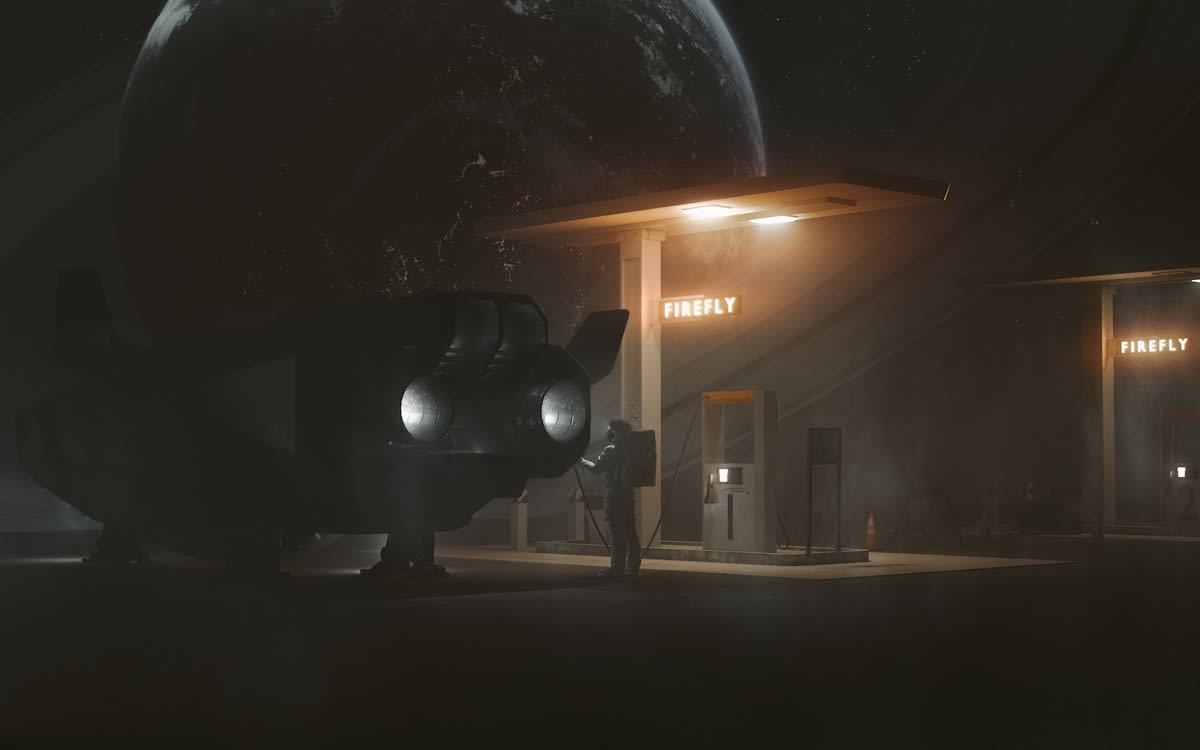
The End of the Reusability Novelty
For years, the space industry treated the sight of a booster returning to a landing pad as a miracle of engineering. That era ended in 2025. SpaceX's Falcon 9 transitioned from a high-tech experiment to a mundane utility, executing 165 orbital missions in a single year. When a rocket flies every 2.21 days, the spectacle of reusability vanishes, replaced by the clinical expectation of payload delivery. We are no longer asking if a booster can survive the descent; we are asking how many times it can do so before the metal fatigues. This normalization of launch transforms the economic calculus of the entire sector.
The New Baseline
In 2025, payload delivery became the baseline. The returning booster is no longer the story—it is simply the mechanism of efficiency.
The data reveals a stark contrast between the industry's perception and its reality. While the public still views reusable rockets as experimental, the operational data from 2025 proves they are the workhorse of the modern economy. Falcon 9's ability to deliver every single payload across those 165 missions suggests that the risk profile of reusable hardware has plummeted. However, this success exposes a glaring limitation: Falcon 9 is only partly reusable. The most expensive components return, but the second stage is discarded, and the fuel is spent upon arrival. We have solved the problem of getting to orbit, but we have not solved the problem of staying there.
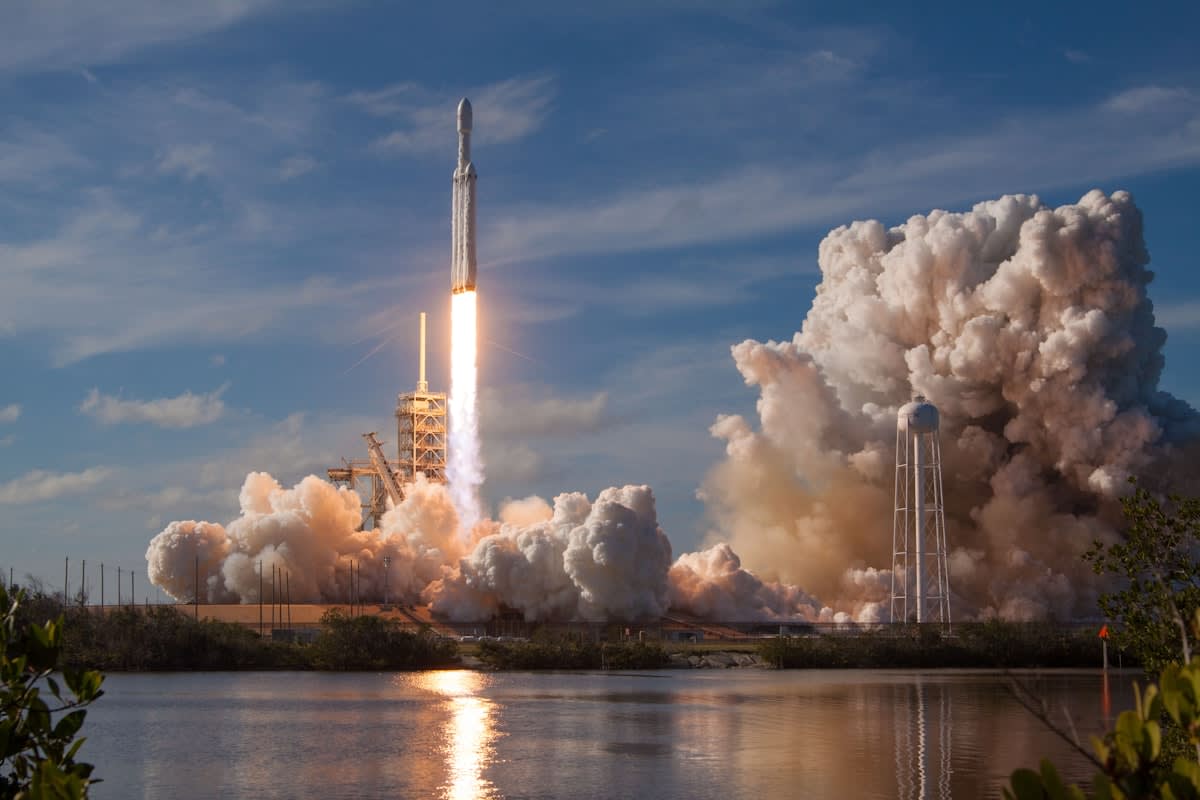
Why does this matter right now? Because the industry is moving beyond Low Earth Orbit (LEO). The current model of 'launch and leave' works for small satellites in LEO, but it fails the moment you target Geostationary Orbit (GEO) or the lunar surface. If you cannot refuel in orbit, every gram of propellant you carry from Earth is a gram of payload you cannot take. The industry has reached a point where increasing launch frequency provides diminishing returns. The real bottleneck is no longer the launch pad in Florida or Texas; it is the fuel tank in the vacuum.
The GEO and Lunar Wall
The shift toward high-value, distant orbits is already evident in the funding flows. European firm SWISSto12 recently closed a $70M Series C round to scale sovereign hardware. Their focus on HummingSat—a small satellite designed for GEO—highlights a growing demand for persistent, high-altitude infrastructure. Moving a satellite into GEO requires significantly more energy than LEO. Without orbital refueling, these satellites are disposable assets with a hard expiration date determined by their initial fuel load. The $70M investment is a bet on sovereign hardware, but that hardware remains tethered to the limitations of initial launch propellant.
| Metric | LEO Standard (2025) | GEO/Lunar Ambition (2026+) |
|---|---|---|
| Launch Cadence | Every 2.2 Days | Intermittent/Heavy |
| Hardware Focus | Partial Reusability | Sovereign/Long-term |
| Primary Constraint | Launch Cost | Propellant Life |
| Asset Lifespan | Short/Replaceable | Persistent/Refuelable |
Beyond Reach Labs is pushing this boundary further by targeting the Moon. Their $10M seed round is dedicated to deploying large-scale solar arrays, a necessity for any permanent lunar presence. But solar power is only half of the equation. To move large structures on the Moon or maintain their position, you need propellant. The long-term vision for lunar infrastructure is impossible if every mission must carry its entire lifetime supply of fuel from Earth's deep gravity well. The physical constraints are absolute: the larger the array, the more susceptible the craft is to vibrations during maneuvers, and the more fuel is required to stabilize it.
"The idea took off... to meet an expected massive wave of incoming demand."— Beyond Reach Labs Official Statement
This creates a paradoxical tension. We are building larger, more powerful hardware—like the solar arrays from Beyond Reach Labs—but we are doing so while relying on a fuel delivery system that is essentially a one-way trip. If a satellite in GEO runs out of station-keeping fuel, it becomes space junk, regardless of how healthy its solar panels are. The $10M and $70M investments mentioned are bets on the hardware, but the hardware's utility is capped by the propellant. This is why orbital refueling has moved from a 'nice to have' to the most critical metric in space logistics.
The Infrastructure Snowball
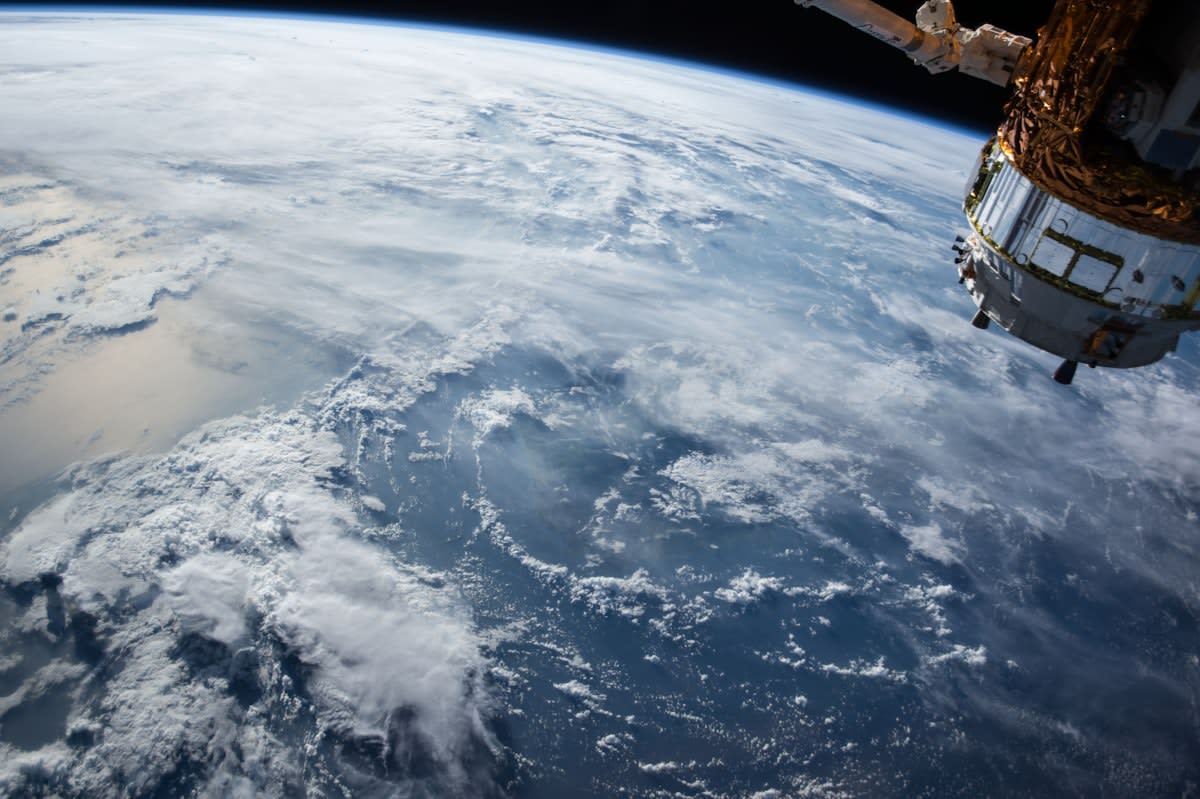
Planet Ventures is positioning itself to capitalize on what they describe as the 'snowball effect' of space infrastructure growth. This snowball consists of reusable platforms, commercial space stations, and expanded launch capabilities. But a snowball only grows if it has more mass to pick up. In space, that mass is energy and propellant. If the industry continues to rely on the Falcon 9 model of partial reusability, the snowball will hit a wall. You cannot build a lunar economy or a GEO network on a foundation of disposable second stages.
Investment Focus Shift (Estimated)
Executive Insight
+18.4%
YTD Growth
Consider the delta between 2024 and 2026. Twelve months ago, the industry was obsessed with the 'cost per kilogram' to orbit. Today, that number is plummeting thanks to the 2.2-day launch cadence. The conversation has shifted. The new question is 'cost per kilogram of delivered delta-v' in orbit. It is no longer about the trip; it is about the stay. The ability to refuel a satellite in GEO or a lander on the Moon changes the asset from a consumable to a piece of permanent infrastructure.
Does the industry realize it is chasing a ghost? Many are still focused on the launch side of the equation, but the real value is migrating toward the logistics of the destination. Beyond Reach Labs' focus on solar arrays and SWISSto12's focus on sovereign hardware are pieces of a puzzle that cannot be completed without a propellant depot. Without it, we are simply launching more expensive trash into higher orbits.
The transition is inevitable. When launch becomes a commodity, the only way to maintain a competitive edge is to extend the operational life of the assets in orbit. Refueling transforms the economics of space from a series of expensive, discrete events into a continuous logistics network. The companies that master the transfer of propellant in zero-G will control the 'snowball' that Planet Ventures is betting on. They will be the ones who decide which sovereign hardware survives and which lunar structures actually function.