
Precision oncology is currently failing its own promise. While the industry celebrates the discovery of new biomarkers, the actual delivery of these insights to the bedside is throttled by a fragmented infrastructure. We see a recurring pattern where the machinery for finding and qualifying patients is broken, leading to a staggering 59% of clinical trial sites losing eligible patients to process inefficiencies. Why does this happen? Because the data exists in silos—radiology in one viewer, genomics in another, and metabolic profiles in a third—requiring manual synthesis that humans are too slow to perform at scale.
Required Infrastructure for Synthesis
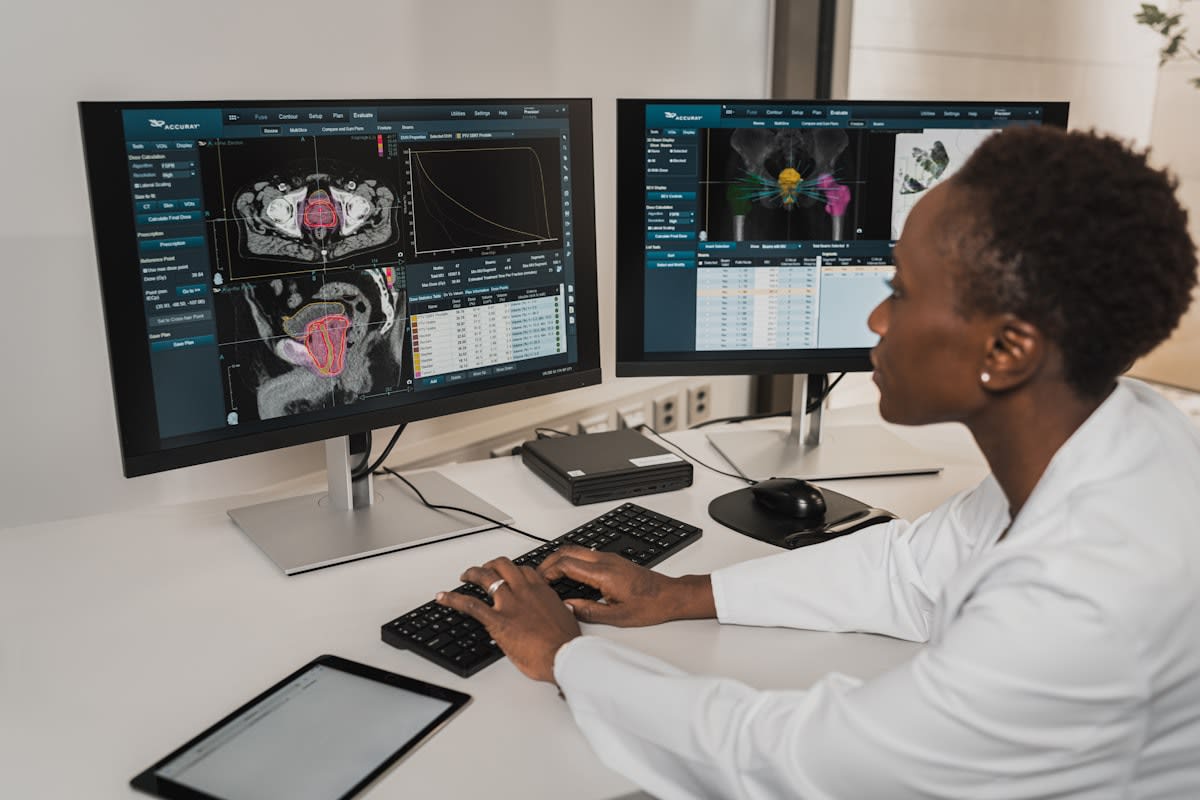
Executing a multi-omic workflow requires more than just software; it requires a specific hardware and data architecture that supports real-time synthesis. You cannot build a precision workflow on top of legacy PACS (Picture Archiving and Communication Systems) that treat AI as a bolt-on feature. True synthesis requires an AI-native environment where the foundation model is the core of the interface, not an add-on. This allows for the immediate correlation of imaging data with molecular markers without the latency of switching applications.
- AI-native radiology platforms (e.g., Raidium R.Read) utilizing foundation models like Curia for organ-agnostic measurements.
- High-density metabolomics panels capable of screening 800+ microbiome-associated metabolites.
- Integrated theranostic facilities that combine radiochemistry, manufacturing, and imaging under a single roof, similar to the Telix model in Melbourne.
- Automated RECIST (Response Evaluation Criteria in Solid Tumors) measurement loops to eliminate inter-reader variability.
- Technology-enabled CRO platforms (e.g., AnovaOS) to manage the delivery of targeted nanomedicines like Kromastat.
The Execution Workflow
The goal is to move from a linear process—test, analyze, treat—to a circular execution loop. This loop begins with the simultaneous acquisition of imaging and functional omics. By integrating metabolomics and metagenomics, researchers can now view the functional outputs of the microbiome, which often dictate how a patient responds to specific immunotherapies. This is not about adding more data, but about adding the right kind of data that explains the 'why' behind a tumor's behavior.
- Deploy AI-native radiology viewers to automate RECIST measurements. This reduces inter-reader variability by a factor of three, ensuring that the baseline for precision therapy is mathematically sound.
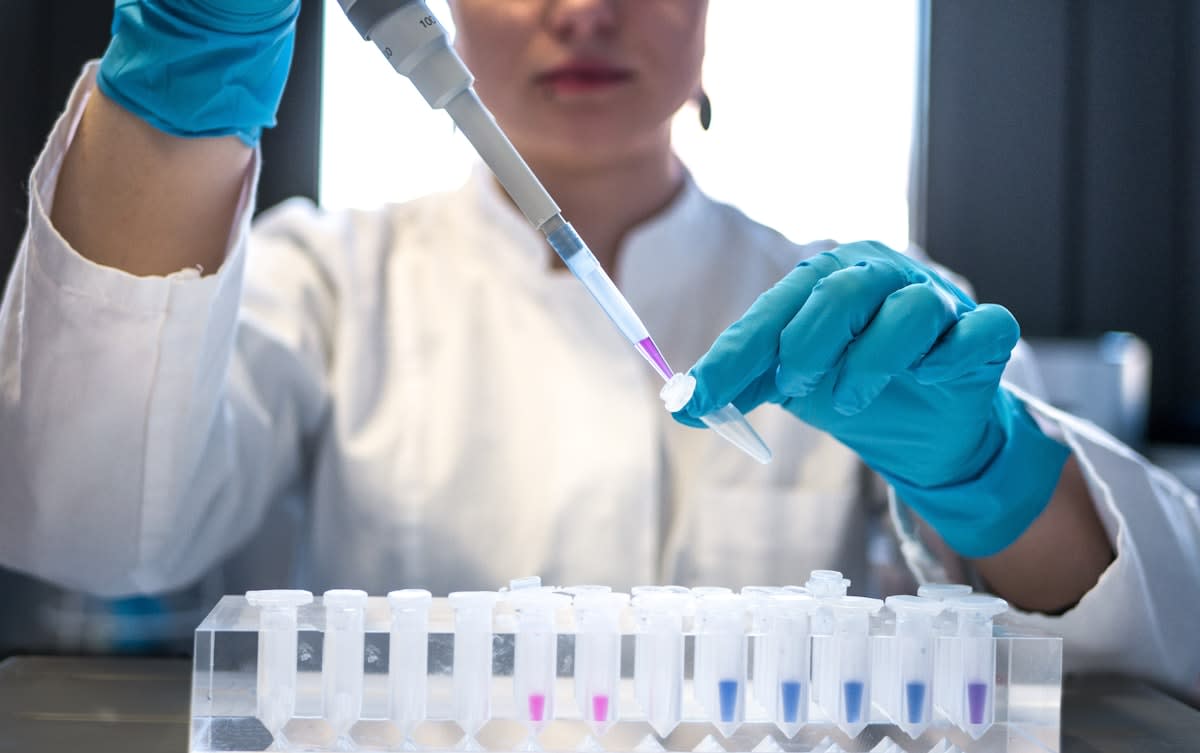
- Integrate a comprehensive microbiome panel to screen for over 800 metabolites. This identifies microbial activity linked to treatment response, providing a functional layer that genomics alone cannot offer.
- Sync imaging data with radiopharmaceutical manufacturing. Use a centralized model like Telix's Melbourne facility to ensure the time between dose administration and imaging is minimized, preserving the integrity of short-lived isotopes.
- Filter eligible patients through an automated OS (Operating System) for clinical trials. This addresses the 59% leakage rate by removing the manual bottlenecks in patient qualification.
- Apply preventative synthesis for high-risk cohorts. For instance, in pancreatic cancer surveillance, implement vaccines that trigger immune responses before tumors even develop, as seen in recent Phase I trials where 90% of high-risk patients responded.
Consider the operational advantage of the Melbourne Theranostic Innovation Centre (MTIC). By combining radiochemistry laboratories, clinical product manufacturing, and patient dosing in one facility, the workflow removes the logistical friction that typically kills precision trials. When the manufacturing is sovereign and local, the window for therapeutic intervention opens wider. This is the physical manifestation of synthesis: bringing the chemistry, the physics, and the biology into the same room.
The Efficiency Gap
The failure of most precision oncology programs isn't a lack of science; it is a failure of logistics. When 59% of sites lose patients to process inefficiency, the most advanced drug in the world is useless because it never reaches the patient.
Quantifying the Synthesis Impact
To understand the value of synthesis, we must look at the delta between legacy point solutions and integrated platforms. Legacy systems require clinicians to manually correlate a PET scan with a genomic report, a process prone to human error and fatigue. In contrast, AI-native platforms like R.Read utilize foundation models to deliver organ-agnostic measurements automatically. This shift doesn't just save time; it changes the quality of the data being used to make life-or-death decisions.
| Metric | Legacy Workflow | Synthesized Workflow |
|---|---|---|
| Inter-reader Variability | High (Manual) | 3x Reduction (AI-Native) |
| Patient Enrollment Leakage | 59% Loss | Minimized via AnovaOS |
| Metabolic Coverage | Limited/Siloed | 800+ Curated Metabolites |
| Facility Integration | Fragmented Sites | Unified (Radiochem + Imaging) |
The impact extends to preventative oncology. In the case of pancreatic cancer, the ability to identify hereditary predisposition and then trigger a significant immune response—achieved in 90% of a recent Phase I cohort—shows that synthesis allows us to move the goalposts. We are no longer just treating existing tumors; we are synthesizing risk data with immunotherapeutic intervention to prevent the tumor from ever manifesting. This is the ultimate goal of a precision workflow.
Common Pitfalls in Implementation
Most institutions fail because they attempt to 'layer' AI on top of obsolete interfaces. This creates a 'toggle tax' where the clinician spends more time switching between windows than analyzing data. If your AI tool is a separate plugin rather than the native environment, you are not synthesizing; you are merely aggregating. This distinction is why Raidium's approach of building a PACS viewer from the ground up is the only viable path for high-density oncology research.
Another frequent error is the over-reliance on genomics while ignoring the functional microbiome. Genomes tell you what could happen, but metabolites tell you what is happening. By ignoring the 800+ metabolites that influence host-microbiome interactions, clinicians miss the critical variables that determine why two patients with the same mutation respond differently to the same drug. Synthesis requires the inclusion of these functional outputs.
Finally, the 'site-expansion fallacy' persists. Many sponsors believe that adding more clinical trial sites will solve recruitment failures. However, if 59% of sites are already hemorrhaging patients due to internal process inefficiencies, adding more sites only scales the inefficiency. The solution is not more sites, but better operational systems—like AnovaOS—that accelerate the delivery of targeted nanomedicines like Kromastat by fixing the pipeline, not widening it.
"Individuals at high risk due to hereditary predisposition or to the presence of a concerning pancreatic lesion detected on imaging usually undergo surveillance to monitor for changes over time."— Neeha Zaidi, MD, Johns Hopkins Medicine