Give consumers option between 100% petrol and ethanol-blended petrol, Aaditya Thackeray writes to PM Modi
Source Entity
India Latest News: Top National Headlines Today & Breaking News | The Hindu
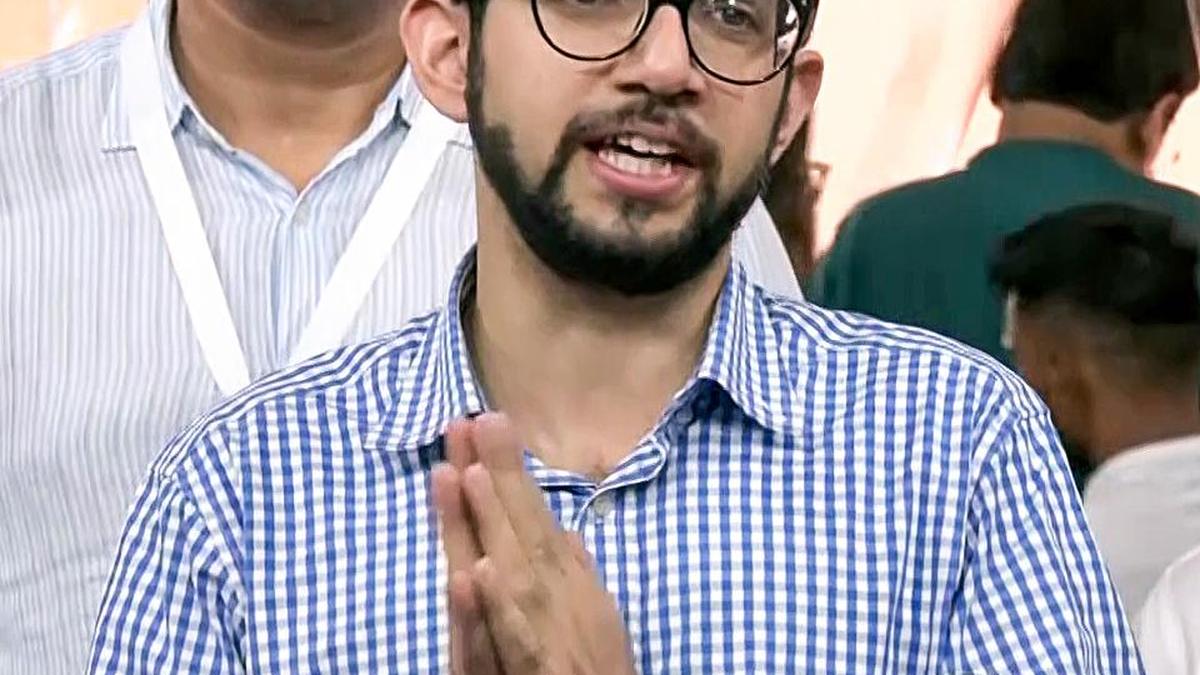
Shiv Sena (UBT) leader Aaditya Thackeray has urged PM Modi to provide consumers with a choice between 100% petrol and ethanol-blended fuel. He cites concerns over reduced vehicle mileage and performance, particularly affecting middle-class owners.
Advocacy for Fuel Choice: Aaditya Thackeray's Appeal to PM Modi
In a significant move addressing consumer rights and automotive performance, Shiv Sena (UBT) leader and Worli MLA Aaditya Thackeray has formally written to Prime Minister Narendra Modi. In his letter dated July 16, 2026, Mr. Thackeray urges the central government to reconsider the current mandate on ethanol blending in petrol. The core of his proposal is the introduction of a dual-fuel system where consumers can choose between traditional 100% petrol and ethanol-blended alternatives, rather than being forced into a mandatory blend.
The Economic Burden on the Middle Class
One of the most critical points raised in the analysis is the financial impact on the middle class and the youth. For many Indian families, the purchase of a two-wheeler or a car is not a casual transaction but a culmination of years of disciplined savings and the burden of long-term loan repayments. Mr. Thackeray emphasizes that these consumers invest in vehicles based on the performance and mileage specifications promised by manufacturers. When the fuel composition changes mandatorily to higher ethanol blends, any deviation from these promised metrics directly translates into a financial loss for the owner, effectively increasing the cost of ownership through reduced efficiency.
Performance Degradation and Technical Concerns
Beyond the financial implications, there is a growing concern regarding the mechanical integrity and efficiency of existing vehicles. Citizens have reported a noticeable decline in mileage and overall engine performance as the percentage of ethanol in petrol increases. This is a pivotal issue because many vehicles currently on the road were not engineered for high ethanol concentrations, leading to potential long-term wear and tear or immediate drops in fuel economy. By highlighting these reports, Mr. Thackeray points to a gap between the government's environmental goals and the practical reality of the current automotive fleet's capabilities.
Global Precedents and Consumer Autonomy
To support his argument, Mr. Thackeray references international standards, noting that in many other countries, consumers maintain the freedom to choose the type of fuel they use. This argument positions the request not merely as a local grievance but as a move toward aligning Indian consumer rights with global norms. The insistence on "choice" suggests that while ethanol blending may have strategic benefits—such as reducing oil imports or supporting the agricultural sector—these benefits should not come at the expense of the consumer's right to maintain their vehicle's optimal performance.
Building Public Confidence in Policy
From a governance perspective, the letter argues that offering a choice would serve as a mechanism to build public confidence in government policies. Mandatory transitions, especially those that affect daily expenses and asset longevity, can often lead to public friction and skepticism. By providing an optional path, the government could mitigate the perceived risks of ethanol blending, allowing the transition to happen organically as newer, ethanol-compatible vehicles enter the market, thereby preventing widespread inconvenience to existing vehicle owners.
Conclusion: Balancing Sustainability with Utility
In summary, Aaditya Thackeray's appeal highlights a tension between the state's drive toward sustainable fuel alternatives and the immediate needs of the motoring public. While ethanol blending is a key pillar of energy independence, the demand for 100% petrol options underscores the necessity of a phased, consumer-centric transition. The outcome of this request will likely determine whether the shift toward green fuels is viewed by the public as a beneficial evolution or an imposed hardship on the middle-class taxpayer.
Verification Required?