Centre appoints Harjit Singh Grewal national minorities panel chief
Source Entity
Latest News: Today's Latest News Headlines from India & World | Hindustan Times | Hindustan Times
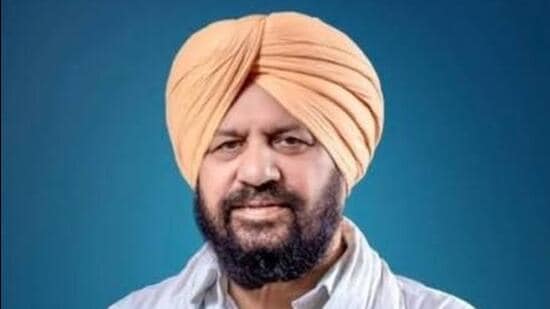
The BJP-led Centre has appointed senior Punjab leader Harjit Singh Grewal as the chairperson of the National Commission for Minorities (NCM). This strategic appointment is seen as an effort to strengthen the party's rural reach and appeal to the Jat Sikh community in Punjab.
Strategic Leadership Shift at the National Commission for Minorities
In a significant administrative move, the BJP-led Central Government has appointed Harjit Singh Grewal, a veteran leader from Punjab, as the chairperson of the National Commission for Minorities (NCM). This appointment, along with the naming of Munawari Begum as vice-chairperson and Glenn E Souza Ticlo as a member, marks a new leadership phase for the commission. All three appointees are slated for a three-year tenure, signaling a period of stability and specific strategic direction for the body tasked with safeguarding the interests of minority communities across India.
The Political Calculus of the Jat Sikh Vote
The elevation of Harjit Singh Grewal is far more than a routine administrative appointment; it is a calculated political maneuver. Grewal is a prominent Jat Sikh and one of the most recognizable Sikh faces within the BJP in Punjab. By placing a senior leader from this specific demographic at the helm of the NCM, the Centre is explicitly signaling its intent to deepen its connection with the Jat Sikh community. Historically, this demographic has been pivotal in Punjab's socio-political landscape, and securing their support is essential for any party aiming for a dominant presence in the state.
Loyalty Amidst Political Turbulence
A critical driver behind this appointment is Grewal's steadfast loyalty to the BJP, particularly during the volatile period of the farmers' protests. While many leaders in Punjab faced immense pressure to distance themselves from the Centre during the protests, Grewal remained a vocal supporter of the government. This reward for his grassroots loyalty serves a dual purpose: it reinforces the value of party discipline and provides the BJP with a credible, loyalist bridge to communicate with rural populations who were central to the agrarian unrest.
Deepening Rural Reach in Punjab
The timing of this appointment suggests a broader objective: an independent political push to expand the BJP's footprint in rural Punjab. The party has traditionally struggled to penetrate the rural heartlands of the state, which often lean toward regionalist or agrarian-focused politics. By elevating a leader who understands the rural pulse and possesses deep-rooted connections within the Jat Sikh community, the Centre aims to dismantle barriers and create a more inclusive perception of the party's ideology in the countryside.
Institutional Implications for the NCM
Beyond the electoral strategy, the appointment of Grewal, Begum, and Ticlo reflects a desire for diverse representation within the NCM's leadership. The commission's role in monitoring the development of minorities and ensuring their constitutional rights are upheld becomes more nuanced when led by individuals with significant grassroots experience. Grewal's tenure will likely be scrutinized for how he balances his identity as a BJP loyalist with the impartial requirements of a national commission overseeing various minority groups.
Conclusion
Ultimately, the appointment of Harjit Singh Grewal as the NCM chief is a convergence of institutional governance and electoral strategy. By leveraging Grewal's standing among Jat Sikhs and his proven loyalty during the farmers' protests, the Centre is positioning itself for a more aggressive and nuanced political expansion in Punjab. This move underscores a broader trend of using statutory appointments to strengthen regional ties and reward political steadfastness in contested territories.
Verification Required?