
Why do we treat our digital identities as rentals? For a decade, the global population has traded autonomy for convenience, handing the keys to their personal archives to a handful of conglomerates. This is no longer a fair trade. When your data becomes a commodity used for 'upfront planning guides'—like the problematic legacy data seen in Nielsen's 2026 planning documents—you aren't the customer; you are the product being auctioned. True privacy isn't about hiding; it is about ownership. It is about moving from a state of digital dependency to one of digital sovereignty.
This shift isn't just for the paranoid or the technically elite. We are witnessing a global systemic pivot. Morocco is currently developing a 50 MW sovereign data center in Rabat to strengthen its cloud capabilities. The European Commission is racing to fund seven AI gigafactories to ensure they aren't entirely dependent on US or Chinese infrastructure. If sovereign nations are treating data autonomy as a matter of national security, why are you treating your personal data as an afterthought? The goal here is simple: decouple your life from the ecosystems that profit from your predictability.
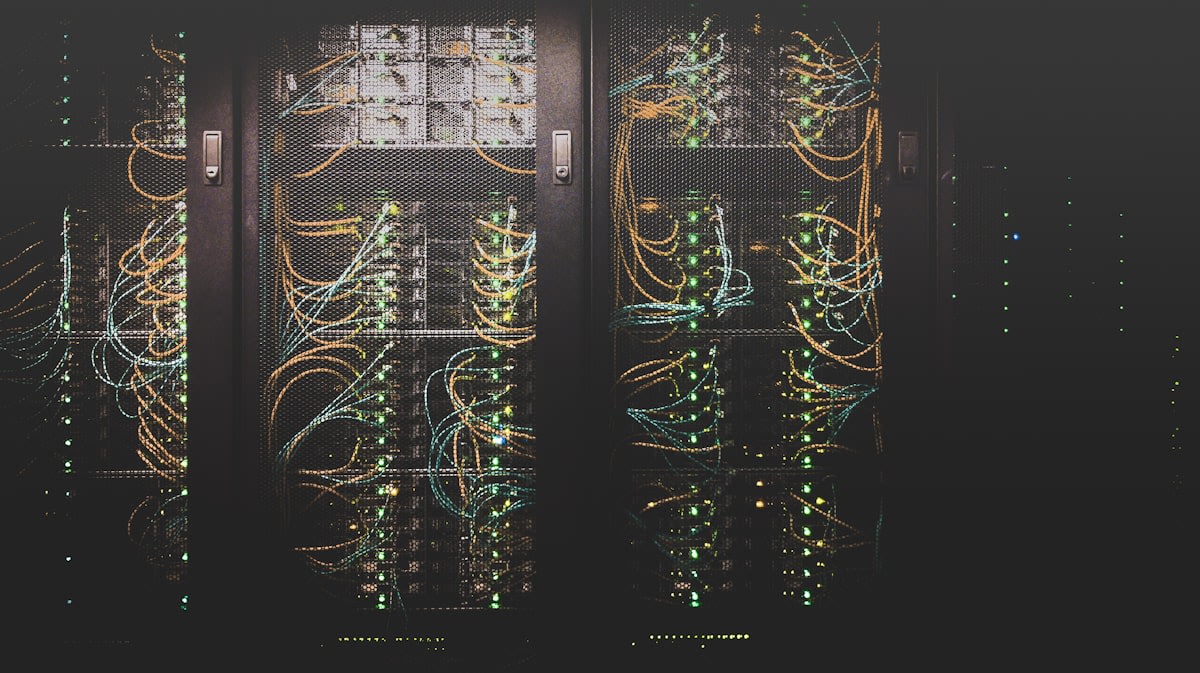
Prerequisites for Decoupling
Before you begin tearing down your digital dependencies, you need the right mindset and a few basic tools. Decoupling is not a weekend project; it is a migration. You must be prepared to trade the seamless 'single sign-on' convenience for a more fragmented, but secure, architecture. You will need a basic understanding of self-hosting and a willingness to move from recurring monthly subscriptions to one-time ownership costs.
- A dedicated machine or VPS (Virtual Private Server) for self-hosting applications.
- A budget for one-time software licenses to replace SaaS subscriptions.
- A verification-first mindset: abandoning the trust-by-default approach to websites.
- A personal data removal service to scrub existing broker databases.
The Step-by-Step Migration Path
The process of decoupling requires a surgical approach. You cannot simply delete your accounts and hope for the best; you must replace the function while removing the surveillance. The following steps move you from the most exposed layers of your digital life to the most secure.
- Purge the Legacy Trail: Start by utilizing personal data removal services. These tools target data brokers and people-search sites that aggregate your information without consent. This reduces the surface area available for bad actors and corporate trackers.
- Audit Your Authentication: Stop using 'Sign in with Google' or 'Sign in with Facebook'. These are tethers, not tools. Create unique credentials for every service. As observed in the rise of fake election websites leading up to 2026, no single sign is enough. Cross-reference official channels and verify the source before entering any personal information.
- Transition to Sovereign Software: Replace SaaS (Software as a Service) with self-hosted alternatives. For those managing social presence, tools like Mixpost offer a path toward absolute data sovereignty. Instead of paying a monthly fee to a corporation that owns your data, you can opt for a one-time Pro license at $299 or an Enterprise license at $1,199 to host your own management engine.
- Migrate to Sovereign Infrastructure: Whenever possible, use services that leverage regional or sovereign clouds. The trend is moving toward localized data control, such as the EU's gigafactories and Morocco's Rabat center. Seek out providers who prioritize data residency and sovereign architecture over globalized, centralized hubs.
Does this sound like more work? It is. But the alternative is a life lived in a glass house. When you self-host, you are no longer subject to the whims of a company that might change its terms of service overnight or sell your behavioral patterns to the highest bidder. You are effectively building your own 'Privacy Fortress,' mirroring the secure architecture that organizations like Leidos and CoreWeave are deploying for national security missions.
The Ownership Advantage
The shift toward sovereignty is a rejection of the 'subscription trap.' By paying a one-time fee for software like Mixpost, you eliminate recurring costs and regain control over your data's physical location.
Analyzing the Cost of Sovereignty
To understand the value of decoupling, we must look at the financial and structural delta between the SaaS model and the Sovereign model. The SaaS model relies on escalating subscription costs and data harvesting. The Sovereign model relies on upfront investment and infrastructure ownership. This is the same logic the EU is applying to its AI strategy, where public funding covers only about one-third of the investment, with the rest coming from private sector ownership.
| Feature | Big Tech Ecosystem (SaaS) | Sovereign Fortress (Self-Hosted) |
|---|---|---|
| Payment Model | Recurring Monthly Subscription | One-time License (e.g., $299 - $1,199) |
| Data Ownership | Corporate Custody / Harvested | Absolute User Sovereignty |
| Infrastructure | Centralized Global Clouds | Localized/Sovereign Data Centers |
| Privacy Risk | High (Legacy Data Mining) | Low (Controlled Access) |
When you look at the numbers, the long-term trajectory of the Sovereign model is far more sustainable. While the initial cost of a Pro license or a VPS may seem higher than a $10/month subscription, the cumulative cost of SaaS over five years often exceeds the cost of ownership, all while you remain a tenant in someone else's database.

Common Pitfalls in Decoupling
Many attempt to decouple by simply switching from one Big Tech provider to another—for example, moving from one global cloud to another. This is not decoupling; it is just changing landlords. The real danger lies in the 'all-or-nothing' fallacy. You do not need to disappear from the internet to be sovereign. You simply need to ensure that the most critical parts of your digital life—your identity, your communications, and your archives—are not hosted on infrastructure you do not control.
- The 'Switching' Trap: Moving from one centralized giant to another instead of self-hosting.
- Neglecting Backups: In a sovereign model, you are the IT department. If your self-hosted server fails without a backup, the data is gone.
- Over-reliance on Single Tools: Using one 'privacy app' as a silver bullet rather than implementing a layered defense.
- Ignoring Verification: Trusting a site because it looks professional, rather than verifying through official, sovereign channels.
Ultimately, the goal is resilience. Whether it is the US Intelligence Community partnering with CoreWeave for secure AI capacity or a private citizen hosting their own social management tools, the objective is the same: remove the single point of failure. By diversifying your infrastructure and scrubbing your legacy data, you transform yourself from a target into a fortress.