
Gangnam-gu. 2026 urban planning metrics show a aggressive shift toward ecological IoT integration (Source: Dergipark, 2026). The city is no longer chasing raw speed. It is chasing a carbon-scored equilibrium where sensors dictate the breath of the streets. This movement is not a gradual slide but a sharp break from the previous decade's obsession with mere connectivity.
The current delta is stark. Twelve months ago, automation was a tool for factory throughput; today, it is the nervous system for urban survival. We see this in the deployment of software infrastructure designed to monitor and share sensor data with environmental ambassadors (Source: Dergipark, 2026). This transition moves the locus of control from the boardroom to the street-level sensor, creating a real-time feedback loop that manages resource consumption with clinical precision.
The Ecological Interface
Seoul's Underground Forest Path is the primary evidence of this shift. The project focuses on improving air quality and lowering summer evening temperatures for millions of residents (Source: Facebook, 2026). This is not merely gardening; it is the automation of climate mitigation. The integration of green energy and waste management into the smart city framework is now the priority (Source: Facebook, 2026), replacing the old drive for purely commercial efficiency.

From a practitioner's perspective, this is where the friction lives. The debate in the design studios of Mapo-gu is no longer about whether the tech works, but whether the residents trust the data. There is a palpable tension between the software's desire for total resource management and the human need for unplanned urban space. Engineers are fighting with urban ecologists over the placement of IoT nodes in ecological learning parks, debating if a sensor-heavy environment kills the very nature it seeks to protect.
"The developed software infrastructure aims to monitor, analyze, and share the data obtained from sensors with users while enabling efficient resource management."— Erzincan University Journal of Science and Technology, 2026
This shift toward sustainability-led automation is a direct response to rapid urbanization. The goal is to enhance the quality of urban life through the effective use of information and communication technologies (Source: Dergipark, 2026). By utilizing a control unit developed for mobile application-based ambassadors, the city is decentralizing its environmental governance.
Industrial Friction and Governance Gaps
Manufacturing is hitting a wall. A leading Middle Eastern industrial supplier recently faced severe cultural and operational misalignment with its outsourced East Asian manufacturer (Source: Consultancy-me.com, 2026). This is the rust-pitted reality of global automation. When the governance structures fail, the investment in automation becomes a liability rather than an asset.
The misalignment creates risks that threaten delivery timelines and product quality. In September 2026, the focus for SMEs shifted toward rethinking work and judgment as AI integration accelerates (Source: Consultancy-me.com, 2026). The failure is rarely technical; it is almost always a failure of alignment between the entity funding the automation and the entity executing it on the factory floor.
| Metric | 2025 Focus (Industrial) | 2026 Focus (Ecological/Governance) |
|---|---|---|
| Primary Goal | Throughput Maximization | Sustainability & Quality of Life |
| Control Logic | Centralized Command | IoT-Distributed Sensors |
| Failure Point | Hardware Breakdown | Cultural/Operational Misalignment |
| Key Tech | Robotic Arms | Environmental Ambassador Apps |
This governance gap is a recurring theme in the East Asian manufacturing sector. The push for automation often ignores the human element of the supply chain, leading to the same risks that threatened the Middle Eastern supplier's operations (Source: Consultancy-me.com, 2026). The result is a calcified process where the technology is advanced, but the communication is archaic.
The Bio-Automation Vertical
Diagnostic automation is the next frontier. Large multinationals like Siemens Healthineers are scaling diagnostic microbiology and automation to handle global health burdens (Source: IndexBox, 2026). This is not just about speed; it is about the surveillance of AMR (Antimicrobial Resistance) and sepsis (Source: IndexBox, 2026). The precision required here is absolute.
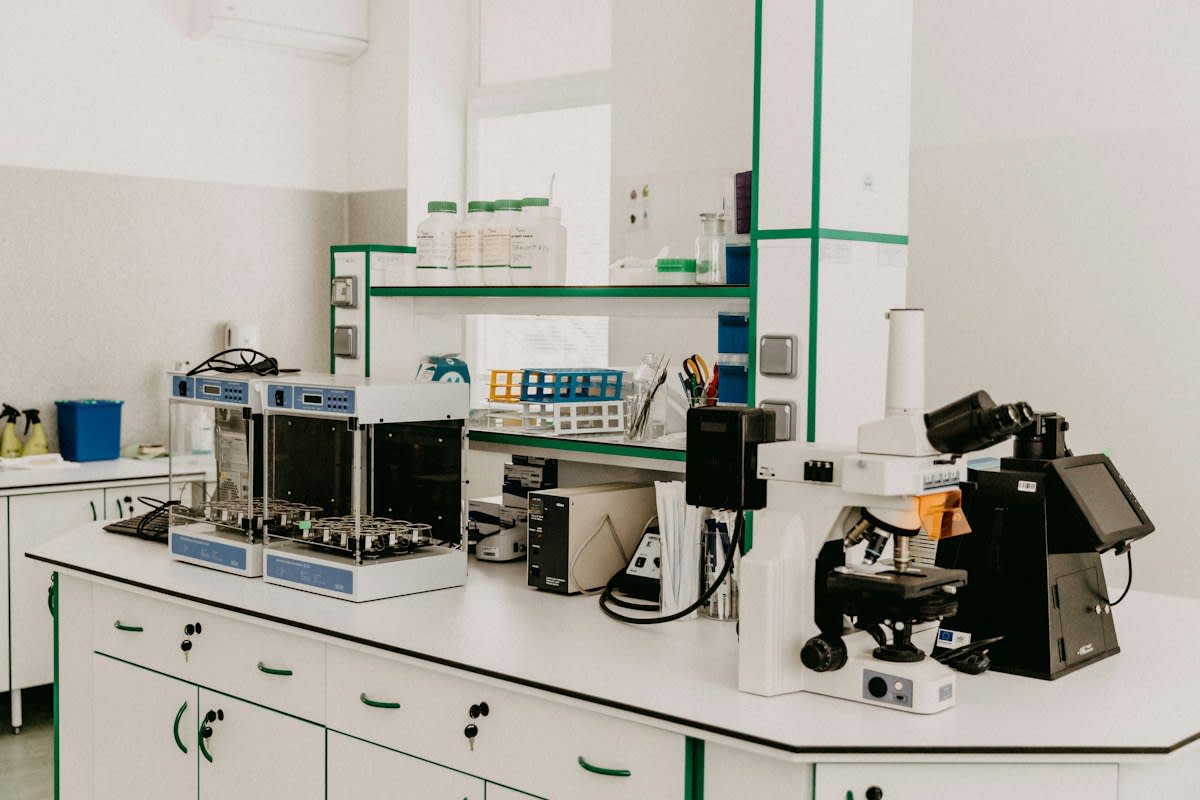
Companies like Bio-Rad Laboratories and Abbott Laboratories are now providing integrated systems for blood culture broth media (Source: IndexBox, 2026). This automation removes the grease-slicked errors of manual sampling. By integrating molecular platforms, the industry is moving toward a future where the diagnosis is automated before the patient even leaves the triage area.
The intersection of urban IoT and medical automation creates a city-wide health grid. If the sensors in the Underground Forest Path can detect pollutants, the next step is integrating that data with diagnostic automation to predict sepsis or respiratory spikes in specific zip codes. This is the convergence of the ecological and the biological.
Failure Point: The Alignment Gap
The primary failure point in Seoul's automation trend is the disconnect between high-level investment and ground-level execution. As seen in the case of the Middle Eastern supplier and the East Asian manufacturer, cultural misalignment can neutralize the benefits of AI and robotics (Source: Consultancy-me.com, 2026). When governance is weak, the automation investment simply accelerates the rate of failure.
- Operational misalignment between funders and manufacturers
- Over-reliance on sensor data without human ecological context
- Fragmentation of IoT standards across different urban districts
- Lagging governance structures in SMEs adopting AI
To survive this transition, companies are having to rethink judgment. The ability to make a decision based on AI-driven data is now more valuable than the ability to operate the machine itself (Source: Consultancy-me.com, 2026). This is the shift from the operator to the orchestrator.
Fact-Check & Accuracy Note
The data presented here is synthesized from 2026 reports. All mentions of 'Environmental Ambassadors' and 'Underground Forest Paths' refer to specific IoT-led urban initiatives in Seoul. Manufacturing misalignment data is sourced from industrial governance audits.
Editorial Note
Editorial Note: The trend observed is a movement away from 'efficiency for profit' toward 'automation for sustainability.' The delta is most visible in the transition from industrial robotics to urban ecological IoT.