Sylvester Stallone says he became bulimic while chasing ‘Rocky’, ‘Rambo’ physique: ‘2.6 per cent body fat’
Source Entity
The Indian Express
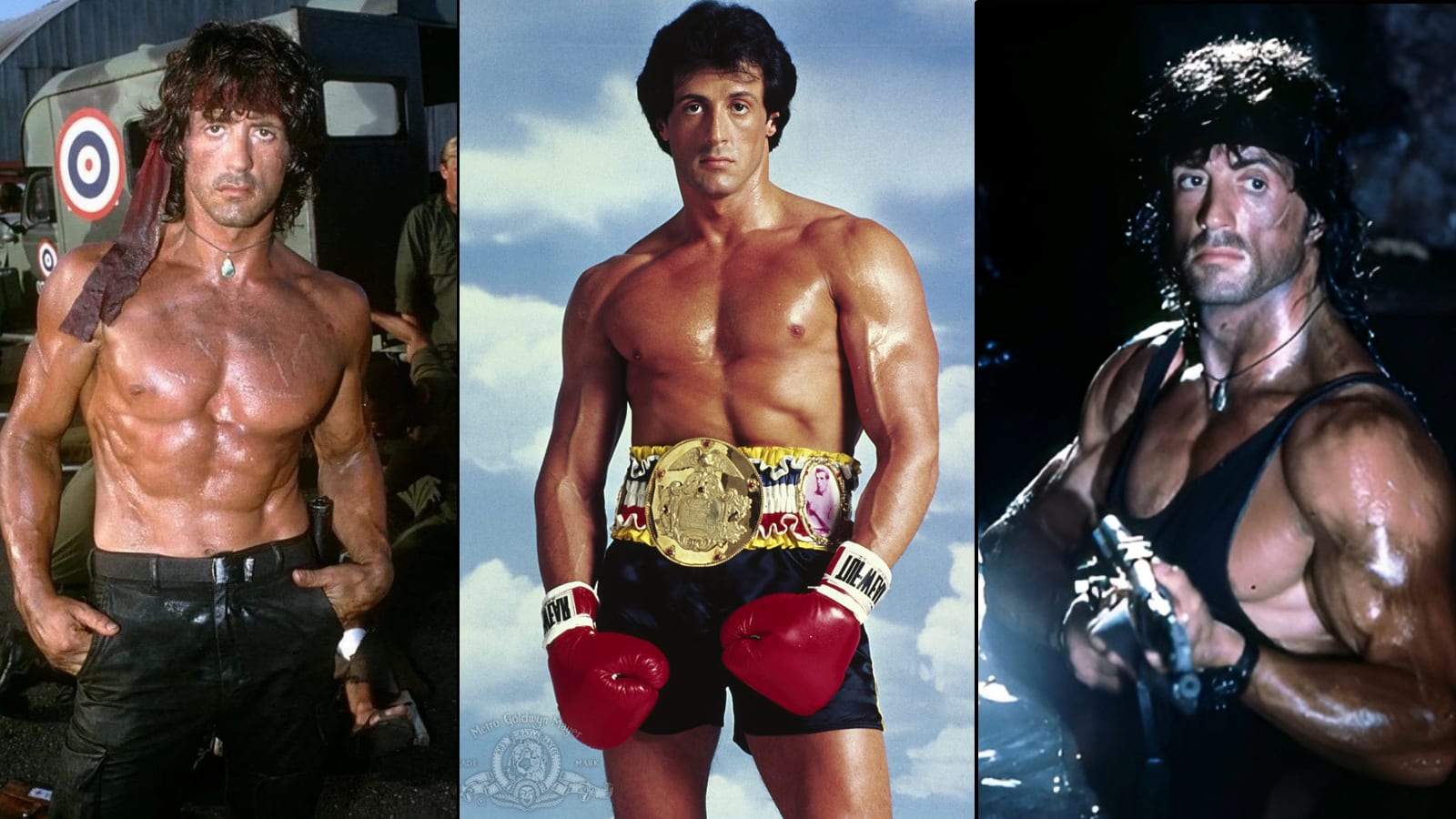
Sylvester Stallone has revealed he developed bulimia while pushing his body to extreme limits to achieve the iconic physiques of Rocky Balboa and John Rambo. The actor described his body as a form of 'armor' he obsessively sculpted to maintain a feral, athletic aesthetic.
The Hidden Toll of Cinematic Perfection
For decades, Sylvester Stallone’s physical transformation into the characters of Rocky Balboa and John Rambo has been celebrated as the gold standard of action-movie dedication. However, recent revelations from the actor suggest that the pursuit of these legendary physiques carried a profound and dangerous psychological cost. Stallone has publicly disclosed that his intense regimen led to bulimia, highlighting the dark side of the body-image pressures inherent in Hollywood stardom.
The Concept of Physical Armor
Stallone’s candid admission to The New York Times reveals that his body became more than just a tool for his craft; it evolved into a psychological shield. By viewing his physique as "armor," Stallone suggests that his intense training was a defensive mechanism. This perspective sheds light on the often-overlooked emotional labor actors perform when they are expected to embody hyper-masculine, idealized archetypes for the screen.
Designing the 'Feral' Aesthetic
Unlike the massive, bodybuilding-centric physique popularized by peers like Arnold Schwarzenegger, Stallone aimed for a different, more predatory aesthetic. He explicitly sought a look that mirrored a "jaguar"—feral, aggressive, and highly limber. This strategic design process was not merely about health; it was an artistic decision intended to make his characters appear more dangerous and athletic, ultimately creating a unique visual language for the action genre.
The Obsession with Extreme Metrics
Behind the aesthetic choices lay a grueling reality. Stallone noted that his body fat dropped to as low as 2.6 percent during his peak periods of filming. Achieving such physiological extremes is biologically taxing and necessitates a level of dietary control that can easily spiral into disordered eating. The actor’s admission confirms that the pursuit of this "feral" look necessitated an obsessive relationship with food and exercise that transcended standard athletic training.
Broader Implications for Hollywood Culture
This revelation serves as a sobering reminder of the standard of perfection demanded by the film industry. While audiences consume the finished product as a piece of entertainment, the process often involves significant personal sacrifice. Stallone’s transparency about his struggle with bulimia challenges the romanticized narrative of the "dedicated actor," forcing a conversation about the health risks associated with extreme body transformations for roles.
Conclusion: A Legacy Re-examined
Sylvester Stallone’s legacy as an action icon remains secure, but it is now viewed through a more nuanced lens. By acknowledging the bulimia and obsession that fueled his most famous roles, Stallone provides a cautionary tale about the dangers of chasing impossible physical standards. His story underscores the necessity for better support systems within the entertainment industry to protect the mental and physical well-being of performers.