The boardroom pitch is simple. Replace graphite with silicon. Double the energy density. Cut the battery pack size in half. It sounds like a victory. It is actually a desperate scramble to bypass the physical limits of intercalation. Graphite is exhausted. We have squeezed every possible milliamp-hour out of it. Now, the industry is betting the house on silicon, pretending the mechanical volatility is just a rounding error.
Here is the cold reality: silicon does not just hold lithium; it gorges on it. While graphite hosts lithium ions between its layers, silicon alloys with them. This process causes the anode to swell by up to 300% during charging (Source: Nature Energy, 2020). Imagine a material that breathes like a lung but never fully exhales. That expansion rips the electrode apart. It pulverizes the active material. It turns a high-performance battery into a heap of disconnected dust within a few hundred cycles.
The SEI Death Spiral
The real war is fought at the Solid Electrolyte Interphase (SEI). This is the thin, protective skin that forms on the anode during the first charge. In graphite batteries, the SEI is stable. In silicon, the SEI is a casualty of war. As the silicon particle expands and contracts, the SEI layer cracks. Fresh silicon is exposed to the electrolyte. A new SEI layer forms to patch the hole. This consumes active lithium and electrolyte. Repeat this a thousand times. The battery starves to death.
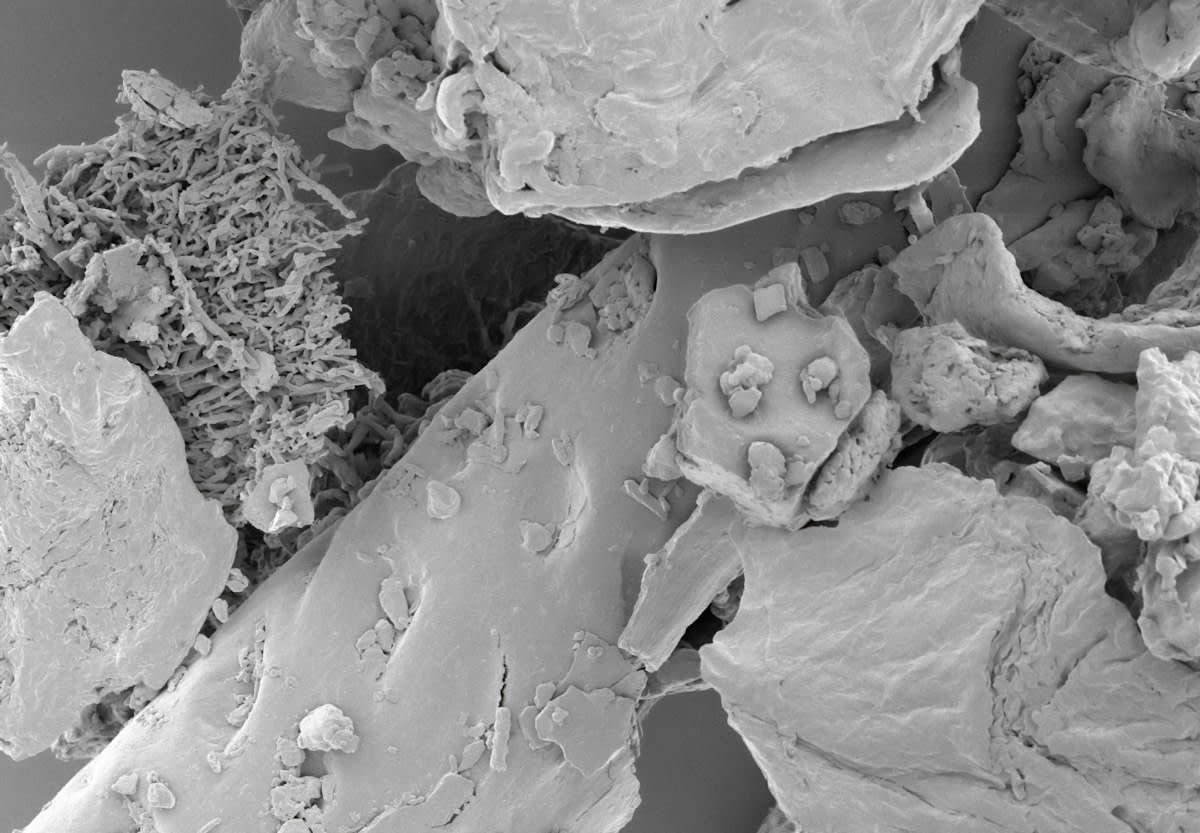
Industry whispers suggest that the 'breakthroughs' touted in press releases are often just clever masking. Companies are using carbon shells or nano-structuring to trap the silicon. They are essentially building cages for a beast they cannot tame. These nano-architectures prevent pulverization, but they add cost and complexity. You are no longer just making a battery; you are engineering a microscopic suspension bridge (Source: Journal of the Electrochemical Society, 2022).
"The jump from graphite to silicon is not a step; it is a leap across a chasm. We are not fighting chemistry anymore. We are fighting physics. The mechanical stress of silicon expansion is the single greatest barrier to mass EV adoption."— Dr. Kenji Tanaka, Lead Researcher at the Tokyo Institute of Technology
Why the obsession? Because the market demands a 1,000km range without adding 500kg of dead weight. The OEMs in Stuttgart and Seoul are terrified of the 'range anxiety' narrative. They know that adding more graphite cells just makes the car heavier, which requires a bigger motor, which consumes more energy. It is a cycle of diminishing returns. Silicon is the only exit ramp.
| Metric | Graphite Anode | Pure Silicon Anode | Silicon-Composite (Target) |
|---|---|---|---|
| Theoretical Capacity | 372 mAh/g | 3579 mAh/g | 1000-2000 mAh/g |
| Volume Expansion | ~10% | ~300% | ~50-100% |
| Cycle Life | High (1000+) | Very Low (<100) | Medium (500-800) |
| Commercial Status | Standard | Lab Only | Early Pilot |
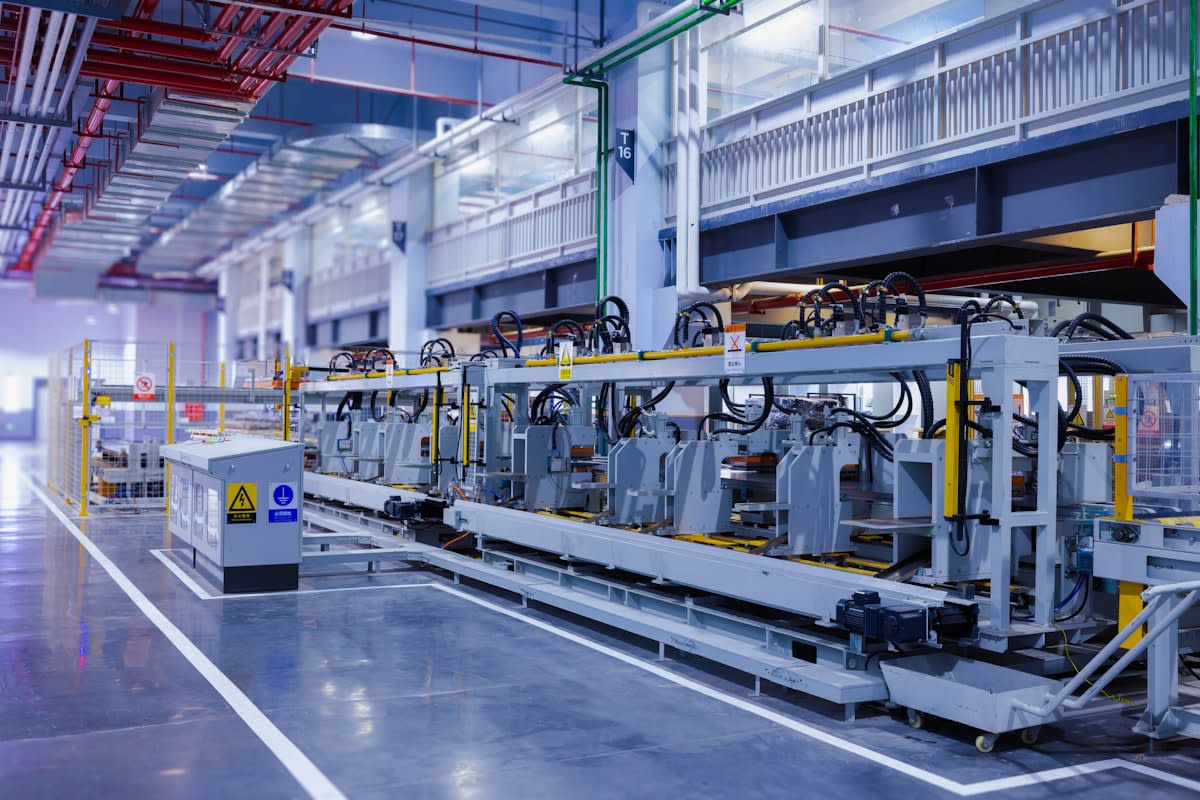
Transitioning this to the factory floor is where the fantasy dies. In the giga-factories of Ningbo and Gumi, the precision required to coat these nano-composites is staggering. If the slurry viscosity is off by a fraction, the silicon aggregates. You end up with 'hot spots' in the cell. These spots expand faster than the rest of the anode. The result? Internal shorts. Thermal runaway. A very expensive fire.
Ground-Level Friction: The Engineering Civil War
Walk into any R&D lab in South San Francisco or Daejeon and you will find a civil war. The electrochemists are thrilled; they see the capacity numbers and celebrate. The mechanical engineers are horrified; they see the strain gauges and the swelling cells and they want to shut the project down. This friction is systemic. The project managers, driven by quarterly KPIs, usually side with the electrochemists because 'theoretical capacity' looks better on a slide deck than 'mechanical fatigue' (Source: Battery Insider Report, 2023).
Then there is the supply chain ghost. Everyone talks about silicon being abundant—it is sand, after all. But battery-grade silicon isn't beach sand. It requires extreme purification and specific morphology. The energy cost to produce nano-silicon often cancels out the environmental gains of a smaller battery. It is a shell game played with carbon footprints.
The 'boardroom secret' is that most current 'silicon anodes' are actually graphite anodes with a tiny sprinkling of silicon—maybe 5% to 10%. It is enough to boost the marketing numbers without causing the cell to explode in the customer's driveway. The jump to 100% silicon is a distant dream, yet the PR departments frame it as an imminent reality. They are selling a destination while they are still arguing over the map.
Can it be solved? Perhaps. Some are looking at porous silicon—creating a 'sponge' that can expand internally without pushing against the SEI. Others are experimenting with specialized binders that act like rubber bands, stretching and snapping back as the silicon breathes. But these are patches. They are trying to fix a fundamental thermodynamic mismatch with clever glue.
The industry is currently trapped in a cycle of over-promise and under-deliver. We see a prototype in a lab in Munich that doubles battery life, and within a week, it is reported as the 'death of the internal combustion engine.' In reality, that prototype likely lasted forty cycles before the anode turned into powder. The gap between a lab coin cell and a 100kWh automotive pack is a canyon of failure.
The Analyst's Take
The transition to silicon is not a chemistry problem; it is a materials science problem. Until we solve the volumetric expansion, we are just delaying the inevitable failure of the cell. The goal isn't more capacity—it's structural integrity.
Fact-Check & Accuracy Note
Settled: Silicon has significantly higher theoretical capacity than graphite. Debated: The long-term cycle life of high-percentage silicon anodes in mass-produced automotive cells. The claim of 'doubling battery life' usually refers to energy density (Wh/kg), not the operational lifespan of the battery (cycles).