
GPUs drive this war. 15% price hikes define the current era (Source: Spheron, 2026). Compute is the only currency that matters. Nomads hunt for shards of power. They move where the silicon is cheap. This is not a hobby. It is survival.
Prerequisites for Compute Arbitrage
Infrastructure requires capital and a high tolerance for volatility. 90% of the world's top 2,000 companies already hold outsourcing contracts to manage this load (Source: nasscom, 2026). You need a strategy for instance selection that balances cost against the risk of preemption. You need a budget that accounts for sudden regional spikes. Mumbai serves as a hub for this kind of digital labor and specialized talent. Without these, you are just a gambler in a rigged market.
The AWS Price Squeeze
AWS executes a price squeeze on the desperate. On October 7, 2026, Capacity Block prices rose by approximately 15% (Source: Spheron, 2026). This was the third hike of the year, following jumps on January 4 and July 1 (Source: Spheron, 2026). Non-US regions saw increases as high as 26.5% for P5 and P5en families (Source: Spheron, 2026). The company eliminated regional discounts to enforce uniform global pricing. This destroys the edge for those hunting for cheap regional compute. The cost of a non-interruptible window is now a fixed tax.
| Date | Price Increase | Scope |
|---|---|---|
| January 4, 2026 | ~15% | General Capacity Blocks |
| July 1, 2026 | ~20% | General Capacity Blocks |
| October 7, 2026 | 15% to 26.5% | Global / Non-US P5 & P5en |
Selecting an instance family is a binary choice between risk and cost. Spot instances fit checkpointable, interruption-tolerant jobs and async pipelines where savings outweigh preemption risks (Source: Spheron, 2026). Fixed-bid blocks offer simplicity but remove all negotiation. You pay the rate card regardless of the GPU count or cluster size (Source: Spheron, 2026). There is no discount for buying more. You accept the provider's number or you walk away. This lack of leverage is the new norm.
How to Execute a Bidding Strategy
- Audit your workload for interruption tolerance to determine if spot instances are viable.
- Map regional price deltas to identify the least impacted non-US zones.
- Set a hard ceiling for dynamic-bid strategies to avoid runaway costs during spikes.
- Secure a fixed-bid window for non-negotiable deadlines, accepting the 15% premium.
- Diversify hardware sources to avoid vendor lock-in during price surges.
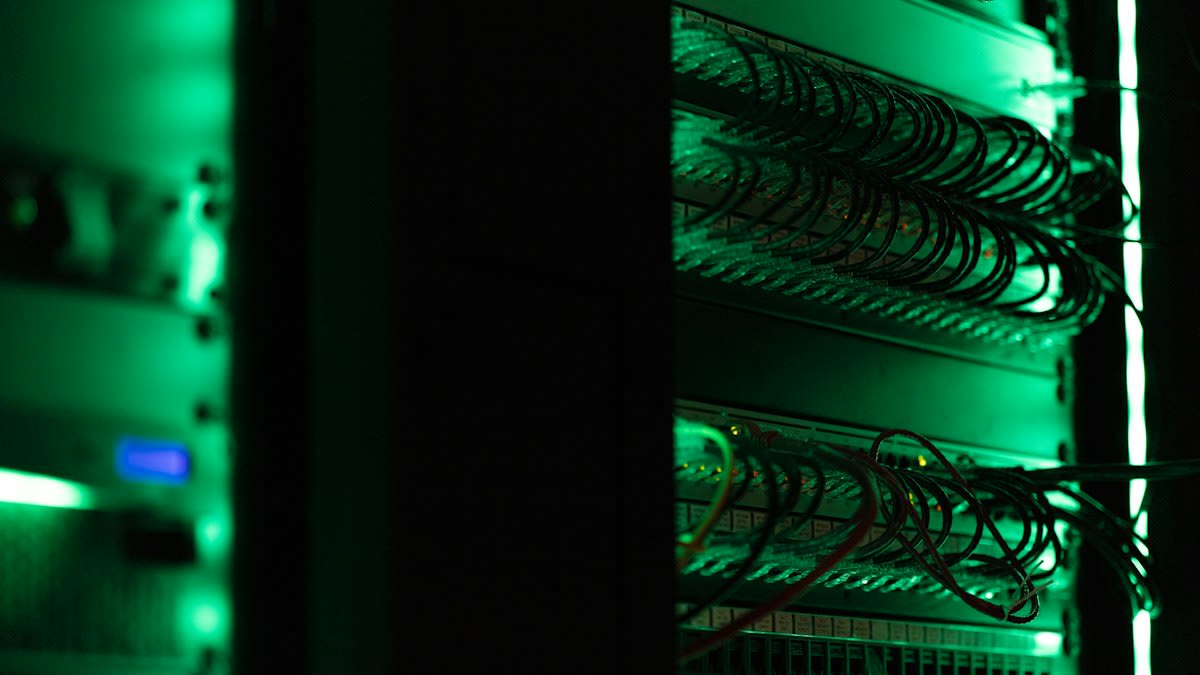
Money is not the only hurdle. Hardware access remains a gamble. When cloud providers squeeze the margin, nomads look to the grey market. This leads to the repurposing of consumer gear for enterprise loads. It is a desperate move for those locked out of the primary cloud.
Hardware Fungibility and the Grey Market
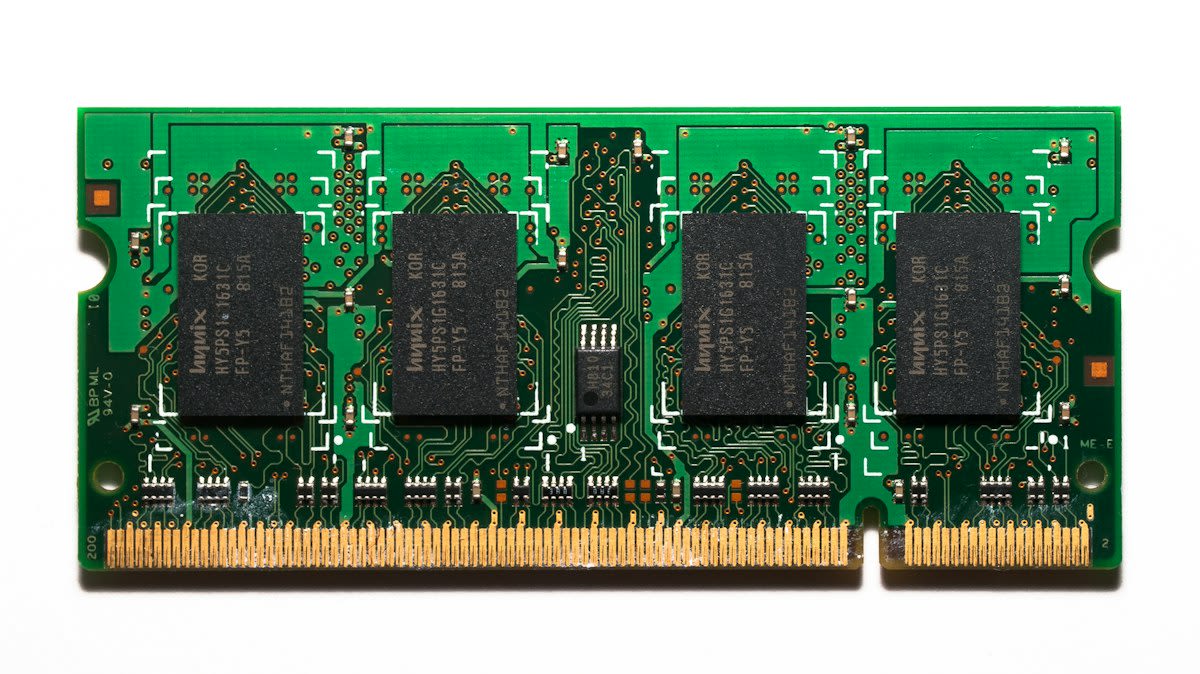
Export controls are a paper wall. Chinese tech giants buy Nvidia gaming chips to train AI because hardware capabilities are fungible (Source: Emergent, 2026). They repurpose consumer products to bypass restrictions. This creates a diversion of supply from gamers to data centers. Regulators may tighten performance thresholds to stop this by targeting TFLOPS or memory capacity (Source: Emergent, 2026). Such moves would fragment the global graphics card market into domestic and export variants. This forces a diversification of hardware strategies.
"The mass adoption of gaming GPUs for AI training in China demonstrates that export controls alone cannot contain technology diffusion when economic incentives are strong and hardware capabilities are fungible."— Emergent Analysis, 2026
This creates a cat-and-mouse dynamic between policy and technology. As regulators tighten the net, the industry finds new holes. Cloud service arbitrage becomes a tool for those who cannot buy physical chips. They rent capacity in permissive jurisdictions and tunnel the workload. This is a fragile way to build a company. One policy change can wipe out an entire compute pipeline.
Outsourcing the Infrastructure Load
Outsourcing is no longer about cheap labor. 90% of the world's top 2,000 companies now use these contracts to secure digital infrastructure (Source: nasscom, 2026). The global market is projected to grow from USD 744.6 billion in 2024 to USD 806.55 billion by 2030 (Source: nasscom, 2026). This growth is driven by the need for specialized talent access and faster innovation cycles. Cost is now a secondary driver. The priority is the ability to scale without owning the silicon.
Ground-level reality is a brawl for capacity. Practitioners fight over spot instances in cold server rooms. The friction is real. One minute you have a cluster of H100s, the next you are preempted. Engineers argue over fixed-bid versus dynamic-bid strategies. They gamble on the next AWS price update. It is a game of seconds and cents.
Failure Points
The primary failure point is mid-run preemption. In spot markets, the provider can reclaim your GPU at any second. If your job is not checkpointable, you lose everything. The second failure point is regulatory seizure. If you rely on gaming GPU arbitrage in restricted zones, a change in TFLOPS thresholds can make your hardware illegal or unsupported. Finally, uniform pricing kills the regional edge. When AWS eliminates discounts, your cost-saving move becomes a liability.
Common Pitfalls
The biggest trap is the fixed-bid illusion. Users pay a premium for a non-interruptible window thinking it provides safety. In reality, they are just paying for the lack of a negotiation process (Source: Spheron, 2026). Another mistake is over-reliance on a single vendor. When the October 7 price hike hit, those locked into AWS had no escape (Source: Spheron, 2026). Diversification is the only actual hedge in this terrain.
Editorial Note
This guide focuses on the 2026 compute crisis. Data is based on the most recent price updates and market projections. Assume all cloud pricing is subject to change without notice.
Fact-Check Note
Verified: AWS price hikes occurred Jan 4, July 1, and Oct 7, 2026. nasscom outsourcing projections ($806.55B by 2030) are current as of late 2026. Nvidia gaming GPU repurposing in China is documented by Emergent.