
The Great Decoupling: AI as the New National Utility
For the last decade, the world treated artificial intelligence as a software layer—a set of tools provided by a handful of hyperscalers in Silicon Valley. That era is ending. We are witnessing a fundamental pivot where governments now view AI not as a service to be rented, but as a sovereign utility, akin to electricity or water. This shift is driven by a chilling realization: relying on foreign-owned models means outsourcing the cognitive infrastructure of the state. When a nation's legal summaries, healthcare diagnostics, and educational frameworks run on proprietary weights owned by a foreign corporation, that nation has effectively ceded a portion of its autonomy.
The urgency has accelerated over the last twelve months. While 2023 was the year of the 'AI hype cycle' and consumer experimentation, 2024 has become the year of the 'Compute Build-out.' Nations are no longer asking how to integrate ChatGPT into their workflows; they are asking how many H100 GPUs they can secure and where to house the data centers to run them. This is a race for 'Silicon Sovereignty,' where the metric of power is no longer just GDP or military spend, but the total amount of floating-point operations per second (FLOPS) available within national borders.
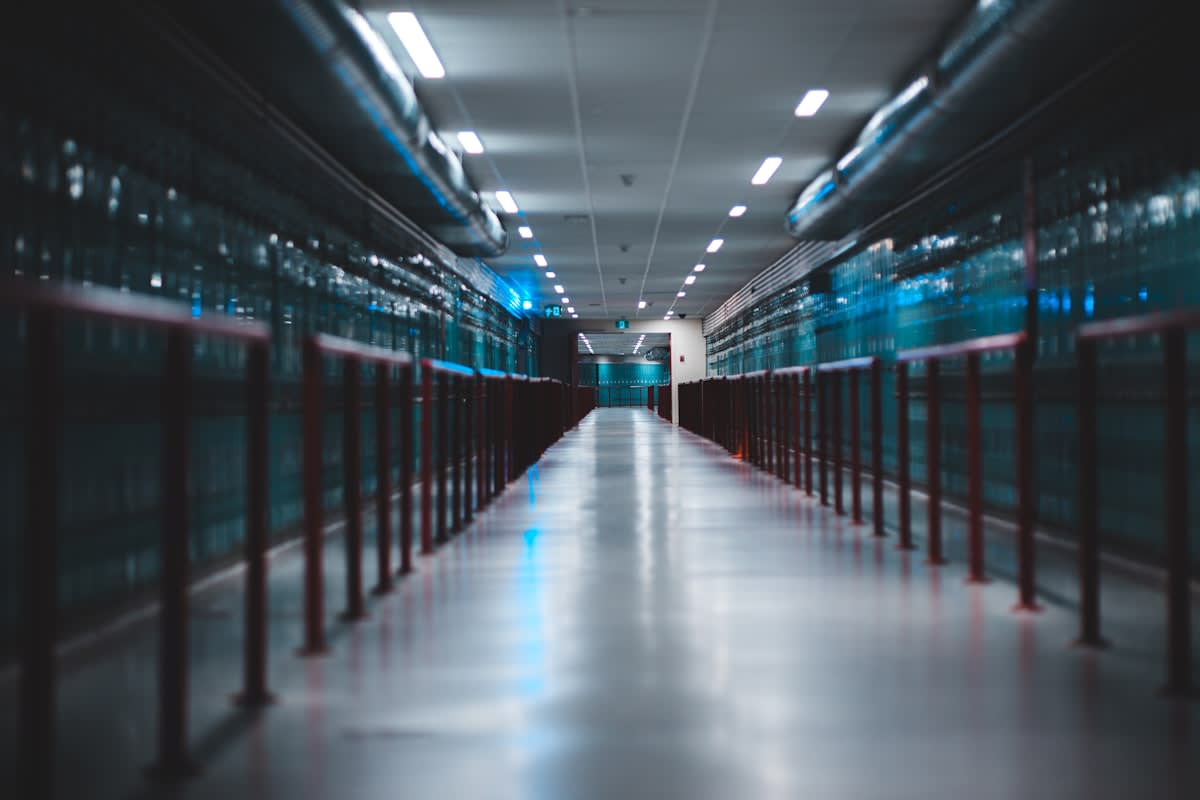
This movement is most visible in the Global South and Europe, where the 'Compute Divide' is becoming a chasm. According to an IMF analysis on AI preparedness, the gap in AI capabilities between advanced economies and developing ones could widen significantly if infrastructure remains centralized in a few hubs (Source: IMF, 2024). The risk is not just economic; it is cultural. LLMs trained predominantly on English-language data from the Western web act as 'cultural filters,' flattening the nuance of local dialects, legal traditions, and social norms. To avoid this digital colonization, nations are investing in 'Cultural LLMs'—models trained on indigenous data to reflect local values.
"Sovereign AI is the idea that every country should have the ability to produce AI using its own infrastructure, its own data, and its own workforce. It is about preserving the identity and the values of a nation in the digital age."— Jensen Huang, CEO at NVIDIA
Consider the strategic moves in the Middle East. The UAE has not just purchased chips; they have developed the Falcon series of open-source models, positioning themselves as a global hub for AI research rather than a mere consumer. Similarly, Singapore has launched the SEA-LION (Southeast Asian Languages In One Network) model to ensure that the region's linguistic diversity is not erased by models optimized for the North American market (Source: AI Singapore, 2023). These aren't just tech projects; they are declarations of independence from the cloud monopolies.
| Nation/Region | Strategic Approach | Key Initiative | Primary Objective |
|---|---|---|---|
| UAE | Open-Source Leadership | Falcon LLM | Global AI Hub Status |
| European Union | Regulatory & Ethical Framework | EU AI Act | Digital Sovereignty & Rights |
| Singapore | Regional Linguistic Focus | SEA-LION | Cultural Nuance & Inclusion |
| France | Industrial Ecosystem Build | Mistral AI Support | European Tech Autonomy |
But the transition from 'Buying' to 'Building' is fraught with friction. On the ground, the debate among practitioners is not about the software, but about the 'Plumbing.' I have spoken with engineers in these national projects who describe the nightmare of power constraints and cooling requirements. Building a sovereign cluster is not as simple as ordering 10,000 GPUs; it is a brutal exercise in electrical engineering and thermal management. The real friction lies in the talent war. There is a global shortage of people who can actually orchestrate these massive clusters. Most nations find themselves in a paradox: they want sovereign AI to stop relying on foreign experts, but they must hire those same foreign consultants to build the system.
The 'Delta'—the change in trajectory over the last year—is staggering. Twelve months ago, the conversation was dominated by 'Prompt Engineering' and 'API integration.' Today, the conversation has shifted to 'On-premise weights' and 'Custom Silicon.' We are seeing a move away from general-purpose models toward highly specialized, vertically integrated national stacks. The goal is no longer to have a bot that can write a poem, but a system that can optimize a national power grid or manage a sovereign wealth fund without sending a single packet of data across a foreign border.
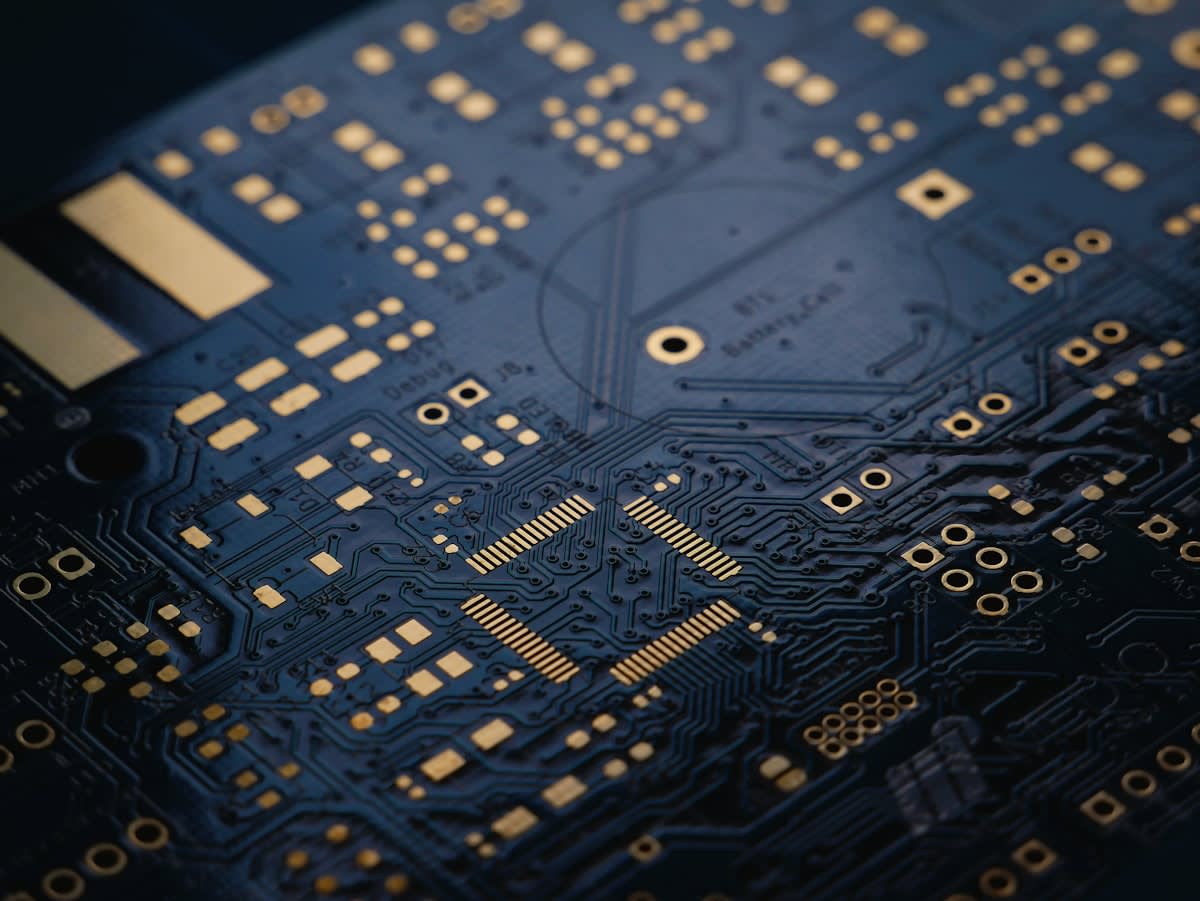
This race also introduces a new geopolitical tension: the 'Compute Embargo.' As AI infrastructure becomes a matter of national security, the hardware used to build it becomes a weapon of diplomacy. Export controls on high-end GPUs are the new tariffs. When a nation is blocked from accessing the latest silicon, it doesn't just slow down their tech sector; it freezes their ability to evolve their sovereign AI. This has led to a surge in investment in alternative architectures and domestic chip design, as countries realize that owning the model is useless if you don't own the silicon it runs on.
Looking ahead, the resilience of a nation will be measured by its 'Cognitive Autonomy.' Those who successfully build their own infrastructure will be able to iterate on AI at the speed of their own needs, rather than waiting for a product update from a company in California. The opportunity here is immense: the creation of a multi-polar AI world where different models reflect different philosophies, languages, and legal systems. This is not a crisis of fragmentation, but an evolution toward a more diverse and resilient global intelligence ecosystem.
Fact-Check & Accuracy Note
This article draws on strategic trends reported by NVIDIA's 2024 corporate strategy briefings, the IMF's 2024 reports on AI and economic disparity, and official project documentation from AI Singapore and the TII (Technology Innovation Institute) regarding the Falcon LLM. While the trend toward sovereign AI is well-documented, the specific 'compute-to-GDP' ratios for various nations remain a subject of intense debate among economists and are not yet standardized.