
5,100 gigawatt-hours. That is the electricity AI data centers consumed in the Netherlands in 2024 (Source: Statistics Netherlands, 2026). This number represents the energy equivalent of nearly two million households. The growth is not a slow climb but a vertical spike. In just three years, electricity consumption for these facilities rose by 37 percent (Source: Statistics Netherlands, 2026). This surge happens while the public remains blind to the actual costs.
Opacity is the default setting for the industry. Fewer than one in four data center facilities have made their consumption data public (Source: Gadget Review, 2026). Operators treat energy and water metrics like corporate secrets. This lack of transparency creates a dangerous gap between reported sustainability goals and the physical reality of the grid. The data exists in government systems, but it is locked away from the people paying the bills.
The Electricity Delta
Comparing the current state to the baseline from 2021 reveals a stark acceleration. National electricity consumption by data centers in the Netherlands stood at 3.3 percent in 2021, but jumped to 4.6 percent by 2024 (Source: Statistics Netherlands, 2026). This delta is driven by the explosive demand for large language models and cloud services. The physical infrastructure required to maintain these services is outstripping the ability of national grids to provide power.
| Year | Electricity Share (Netherlands) | Status |
|---|---|---|
| 2021 | 3.3% | Baseline |
| 2024 | 4.6% | Current |
| 2030 | 10% - 15% | Projected (Source: TenneT, 2026) |
Grid operator TenneT projects that this consumption will hit 10 to 15 percent of the national total by 2030 (Source: TenneT, 2026). This projection is not just a number; it is a physical barrier. In the Netherlands, grid-capacity constraints are already delaying the development of new housing and blocking business connections. The thirst of the machine is effectively freezing the growth of human communities.
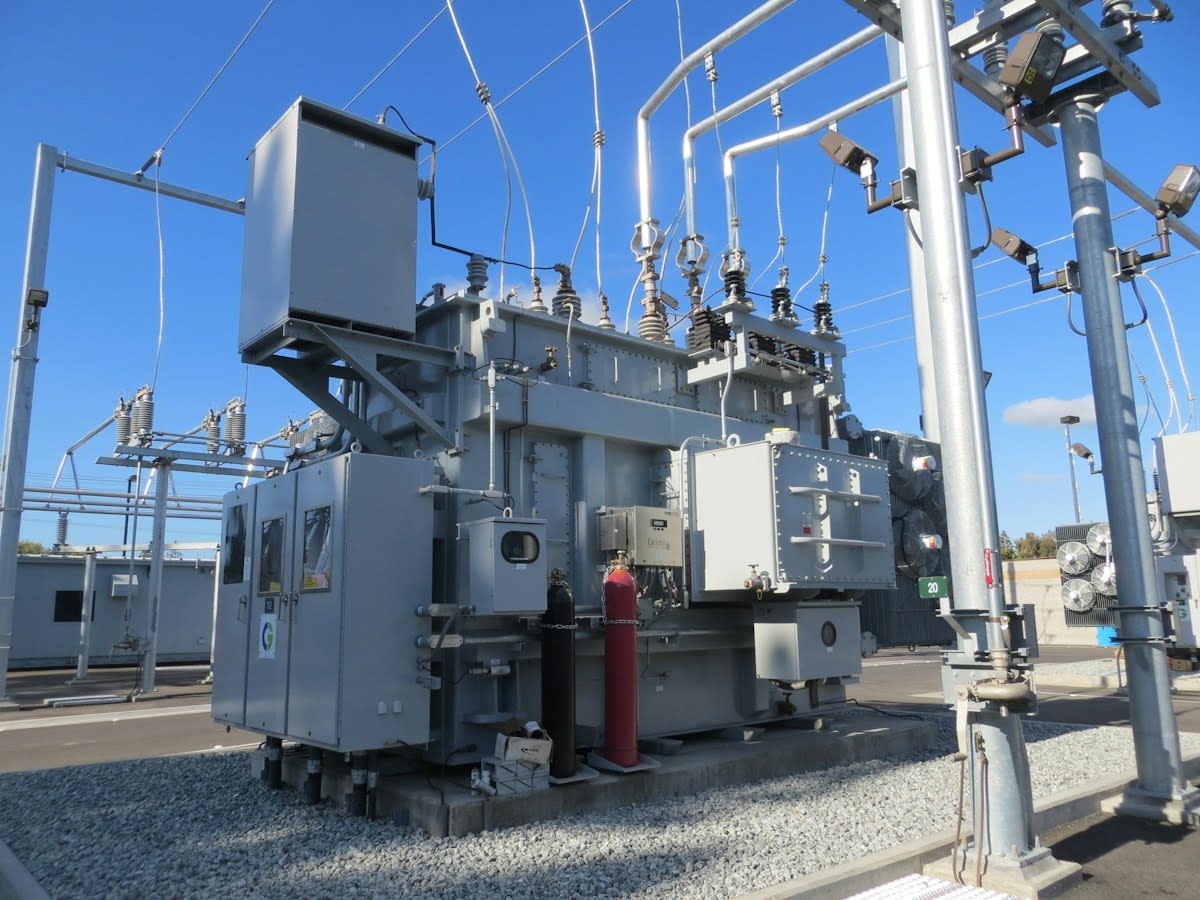
The energy cost of a single AI model is staggering. Training one large language model uses electricity equivalent to the annual power consumption of 130 homes (Source: Northampton Marketing, n.d.). When multiplied by the hundreds of models being trained globally, the cumulative load becomes a systemic risk. This is no longer about efficiency; it is about the raw limits of the copper and steel in the ground.
The Invisible Water Footprint
Water is the second, more hidden, casualty. Most observers focus on the water used directly to cool servers. However, indirect consumption—the water used by power plants to generate the electricity the data center consumes—is the real killer. Research shows that indirect consumption can account for up to 75 percent of a facility's total water footprint (Source: Lawrence Berkeley National Laboratory, 2026).
"Indirect consumption is up to 75 percent of a facility’s total water footprint."— Lawrence Berkeley National Laboratory, via Janus Henderson
Meta provides a rare glimpse into this disparity. In 2024, Meta reported that its indirect water use was more than 20 times the amount of water its data centers consumed directly (Source: Meta, 2024). This means for every gallon used to cool a rack of zinc-heavy servers, twenty more gallons are evaporated or consumed at a distant power plant. The environmental impact is decoupled from the physical site of the data center.
This creates a geographic mismatch in risk. A data center in a water-rich area may be pulling electricity from a power plant in a drought-stricken region. The thirst is exported. This hidden cost is largely ignored by investors who only look at the direct water-use efficiency (WUE) metrics provided in corporate sustainability reports.
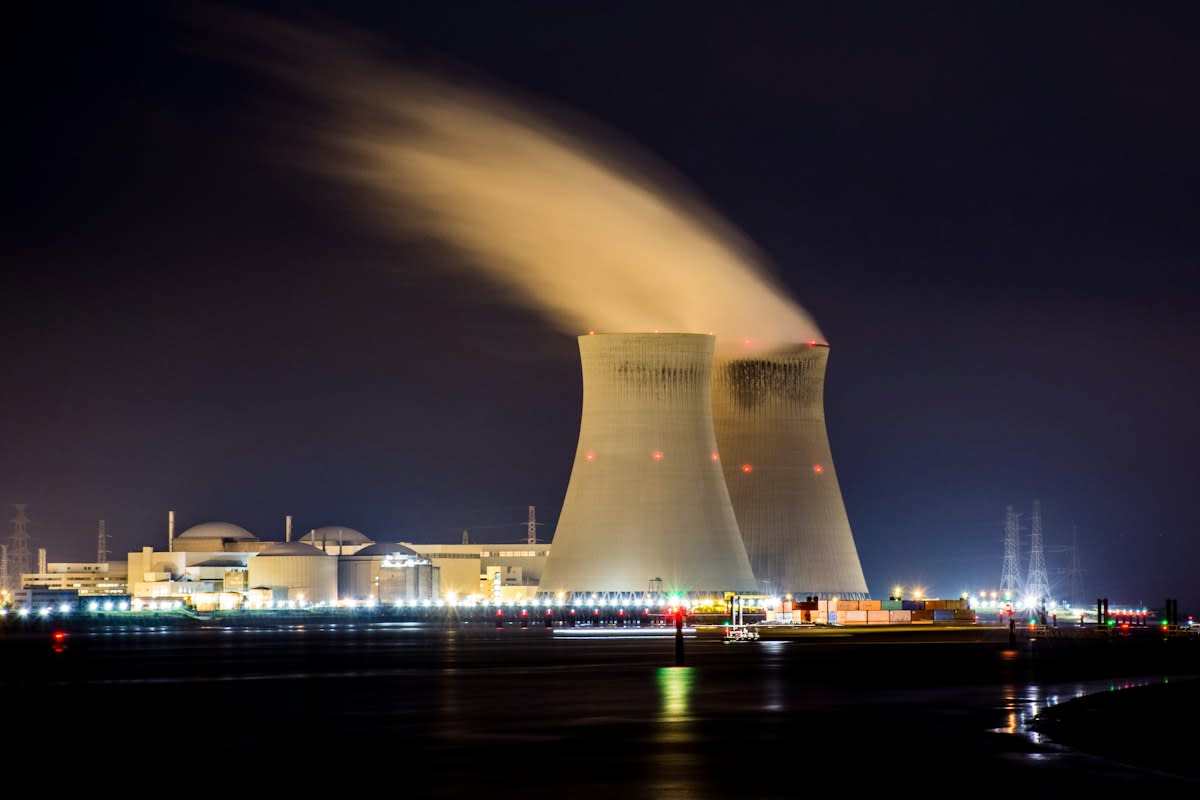
The friction is palpable on the ground. In emerging hubs like Nairobi and Jakarta, where grid stability is already a daily struggle, the arrival of massive data centers creates immediate tension. Technicians in oil-stained coveralls deal with dust-choked substations that cannot handle the load. The debate is no longer about the brilliance of the code, but about who gets the power: the local hospital or the AI cluster.
Failure Point: The Grid Ceiling
The system reaches a failure point when the grid cannot support both basic human needs and industrial AI growth. In the Netherlands, this ceiling has already been hit. The result is a backlog of housing developments and business connections (Source: TenneT, 2026). When the grid is full, the only way to add more AI capacity is to displace other essential services.
- Grid saturation delaying residential housing projects.
- Indirect water use exceeding direct use by 20:1 ratios (Source: Meta, 2024).
- Lack of public data for over 75% of facilities (Source: Gadget Review, 2026).
- Projected electricity share reaching 15% of national totals by 2030 (Source: TenneT, 2026).
This is a zero-sum game. Every gigawatt-hour diverted to an AI cluster is a gigawatt-hour unavailable for a factory in Mumbai or a clinic in Lagos. The industry's reliance on 'closed systems' and 'optimizing tokens' is a distraction from the raw physical reality of energy and water scarcity.
Editorial Note
The data suggests a systemic failure in reporting. By omitting indirect water use and hiding electricity metrics, the industry is masking the true environmental cost of LLM scaling.
Fact-Check & Accuracy Note
All statistics regarding the Netherlands are sourced from Statistics Netherlands (CBS) and TenneT for the year 2024/2026. Water footprint data is attributed to Lawrence Berkeley National Laboratory and Meta's 2024 reporting.