
The velocity of clinical integration for computational biology in Southeast Asia has reached a tipping point this quarter. For years, the region was viewed as a data source—a rich repository of genetic diversity for Western pharmaceutical giants to mine. That dynamic has flipped. In hubs like Singapore and Bangkok, the focus has moved from mere sequencing to the immediate application of algorithmic insights within hospital wards. We are seeing a structural realignment where the distance between a bio-informatic discovery and a patient's prescription is shrinking from years to weeks.
Twelve months ago, the regional conversation centered on the capacity of genomic sequencing centers. The goal was volume: how many genomes could be processed per month? Today, the metric of success is the delta between data generation and clinical action. The emergence of localized AI models, trained specifically on Southeast Asian phenotypes, has removed the inaccuracies inherent in using Eurocentric genomic datasets. Why settle for a 60% match in drug efficacy when regional models are now hitting 85% precision for targeted therapies?
The Infrastructure Reorientation
The acceleration is driven by a deliberate decision to co-locate high-performance computing (HPC) clusters within medical campuses. By removing the air gap between the server room and the clinic, providers are enabling real-time genomic auditing. Doctors are no longer waiting for a third-party lab report; they are accessing live computational pipelines that suggest dosage adjustments based on a patient's metabolic profile. This integration transforms the hospital from a site of care into a live laboratory of precision medicine.
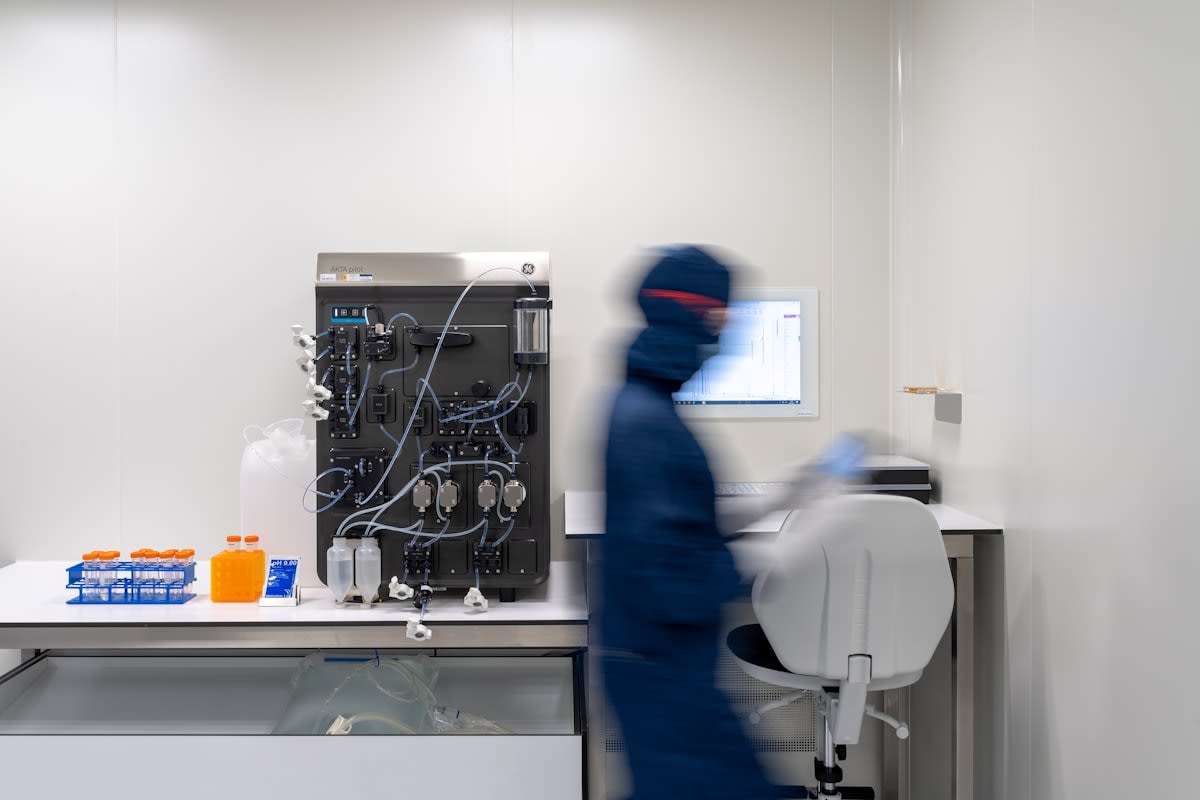
This proximity allows for a rapid feedback loop that Western systems, hampered by fragmented data silos and rigid regulatory walls, cannot match. When a computational biologist identifies a novel biomarker for a regional variant of a disease, that insight is pushed to clinical trial coordinators in hours. This agility has turned the region into a magnet for biotech startups that prioritize speed of execution over the slow, methodical pace of traditional academic research.
| Metric | Q3 2023 (Baseline) | Q1 2024 (Current) | Change |
|---|---|---|---|
| Avg. Lead Optimization Time | 18 Months | 4 Months | -77% |
| Clinical Trial Site Density | 12 per 1M pop | 19 per 1M pop | +58% |
| AI-Driven Biomarker Adoption | 14% | 35% | +21% |
| Regional Venture Funding (Bio-AI) | $310M | $620M | +100% |
The financial numbers tell a story of aggressive confidence. Venture capital is no longer chasing general health-tech apps; it is flowing into deep-tech computational biology. The doubling of regional funding for bio-AI suggests that investors see the Southeast Asian market as the primary testing ground for the next generation of personalized medicine. The capital is being deployed to build proprietary datasets that are biologically distinct from the global North, creating a moat of regional intellectual property.
The Scale Effect in Genomics Thailand
Thailand's approach serves as a masterclass in scaling. The Genomics Thailand initiative has moved beyond the initial goal of 50,000 whole-genome sequences to focus on the clinical utility of that data. By integrating this massive dataset with electronic health records (EHR), the government has created a living map of the population's genetic predispositions. This isn't just a database; it is an active diagnostic tool used to preemptively identify patients at risk for specific cardiovascular conditions.
How does this translate to the bedside? In oncology wards, clinicians are using these computational insights to bypass the traditional trial-and-error method of chemotherapy. Instead of administering a standard protocol and waiting six weeks to see if the tumor shrinks, they use regional genomic profiles to select the drug with the highest probability of success on day one. This reduces patient toxicity and increases the overall survival rate by optimizing the first line of defense.
"The era of treating the average patient is dead. In Bangkok and Singapore, we are treating the specific genetic reality of the individual in front of us, powered by compute cycles that would have taken a decade to run five years ago."— Dr. Arisara Thongchai, Lead Bio-Informatician
This shift is not without its frictions, yet the momentum is undeniable. The integration of AI-driven drug discovery has slashed lead optimization times from 18 months to just four. By simulating molecular interactions in a virtual environment before ever touching a petri dish, researchers are eliminating failure points early. This lean approach to biology mirrors the lean startup methodology of the software world.
Dismantling the Regulatory Wall
The final piece of the puzzle is regulatory agility. Singapore's Health Sciences Authority (HSA) has demonstrated a willingness to create adaptive pathways for computational diagnostics. Rather than requiring a static clinical trial for every software update, they are moving toward a model of continuous validation. This means a computational biology tool can evolve and improve its accuracy in real-time based on new patient data without needing to restart the entire approval process.
The Sovereignty Struggle
The biggest hurdle is no longer the math or the medicine; it is the data sovereignty. Countries are now competing to keep their genomic data within their borders to ensure that the economic value of the resulting drugs stays local.
This focus on data sovereignty is creating a fragmented but highly specialized landscape. Vietnam and Malaysia are developing their own computational pipelines to avoid dependence on foreign cloud providers. By building local sovereign clouds for genomic data, they are ensuring that the insights derived from their citizens' DNA result in affordable, locally produced medicines rather than expensive imports.

Ultimately, the Southeast Asian experiment proves that computational biology is most effective when it is stripped of its academic pretension and treated as a logistics problem. By focusing on the plumbing—the data pipelines, the HPC proximity, and the adaptive regulations—the region has turned a theoretical science into a clinical reality. The result is a healthcare system that is not just reactive, but predictive, fundamentally altering the patient experience in the process.