Vietnam boat tragedy: Mortal remains of 15 Indian tourists to be repatriated today
Source Entity
TOI NEWS DESK
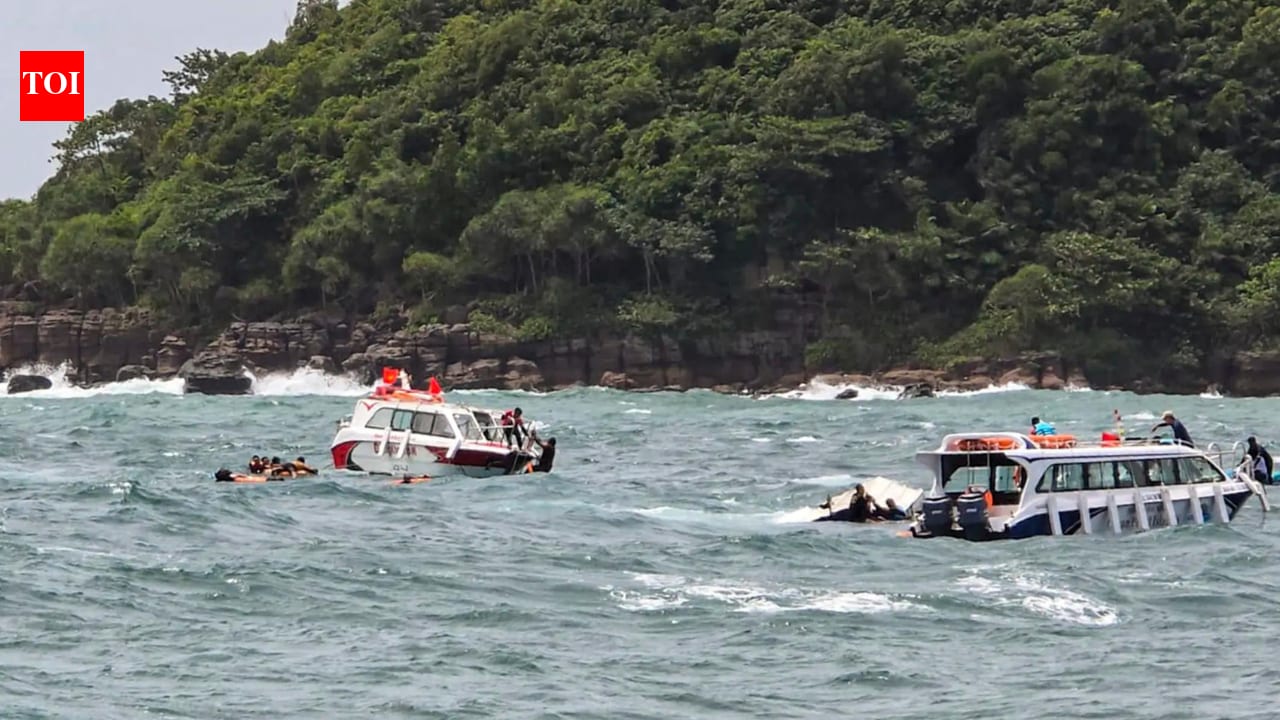
The accident occurred on Saturday when a speedboat carrying 32 Indian tourists and four local crew members capsized near Hon May Rut Ngoai, off Phu Quoc Island The mortal remains of the 15 Indian tou...
Tragedy at Sea: Analysis of the Vietnam Boat Accident
A devastating maritime accident off the coast of Phu Quoc Island, Vietnam, has claimed the lives of 15 Indian tourists, marking one of the most somber incidents involving Indian travelers in the region. The accident occurred when a speedboat, transporting 32 Indian nationals and four local crew members, capsized near Hon May Rut Ngoai. The repatriation of the deceased marks a critical phase in the aftermath of the disaster, shifting the focus from rescue operations to the grief-stricken process of returning the victims to their homeland.
Incident Dynamics and Immediate Causes
The capsizing of the vessel near Hon May Rut Ngoai suggests a catastrophic failure in stability or a sudden environmental shift. Speedboats used in tourist hubs like Phu Quoc are often designed for rapid transit between islands, but they can be highly susceptible to sudden weather changes or overloading. The fact that 36 people were aboard a single speedboat raises questions regarding the vessel's capacity and whether safety margins were maintained. The rapid nature of such accidents often leaves passengers with little time to deploy life-saving equipment, contributing to the high fatality rate in this specific event.
Diplomatic Coordination and Repatriation
The repatriation of 15 mortal remains is a complex logistical and diplomatic operation. It requires seamless coordination between the Indian Embassy in Hanoi, the Vietnamese Ministry of Foreign Affairs, and local authorities in Phu Quoc. This process involves the rigorous verification of identities, the issuance of death certificates, and the adherence to international health and transport protocols for human remains. The efficiency of this repatriation process serves as a testament to the bilateral cooperation between India and Vietnam, even in the face of a tragedy.
Systemic Risks in Southeast Asian Adventure Tourism
This tragedy highlights a broader, systemic issue within the "adventure tourism" sector in Southeast Asia. Many tour operators prioritize cost-efficiency and speed over stringent safety audits. The use of high-speed boats for large groups often bypasses critical safety checks, such as the availability and functionality of life jackets for every passenger or the certification of the crew. The incident at Hon May Rut Ngoai underscores the urgent need for the Vietnamese government to implement stricter maritime safety regulations and mandatory safety briefings for all foreign tourists embarking on water excursions.
Implications for Indian Outbound Travel
As Vietnam becomes an increasingly popular destination for Indian tourists due to simplified visa processes and affordable travel packages, the vulnerability of these travelers to local safety lapses increases. This event serves as a stark warning for Indian travel agencies that package these tours. There is a pressing need for agencies to conduct deeper due diligence on their local partners in Vietnam, ensuring that the operators they hire are not only licensed but adhere to international maritime safety standards to prevent similar catastrophes.
Predicting Future Regulatory Shifts
In the wake of this tragedy, it is highly probable that the Phu Quoc local administration will introduce more stringent oversight of speedboat operations. We can expect a push for mandatory passenger manifests, stricter enforcement of weight limits, and perhaps a requirement for escort vessels during peak tourist seasons. Furthermore, the Indian government may update its travel advisories for Vietnam, urging citizens to verify the safety credentials of local tour operators before booking high-risk activities.
Conclusion
The loss of 15 lives in the Vietnam boat tragedy is a profound human loss that exposes the fragile balance between the thrill of tourism and the necessity of safety. While the repatriation of the remains provides a sense of closure for the families, the incident must serve as a catalyst for reform. Ensuring that the beauty of destinations like Phu Quoc is matched by a commitment to passenger safety is the only way to prevent such a heartbreaking event from recurring.