How Putin Turned Japan Into a Den of Spies
Source Entity
The Indian Express
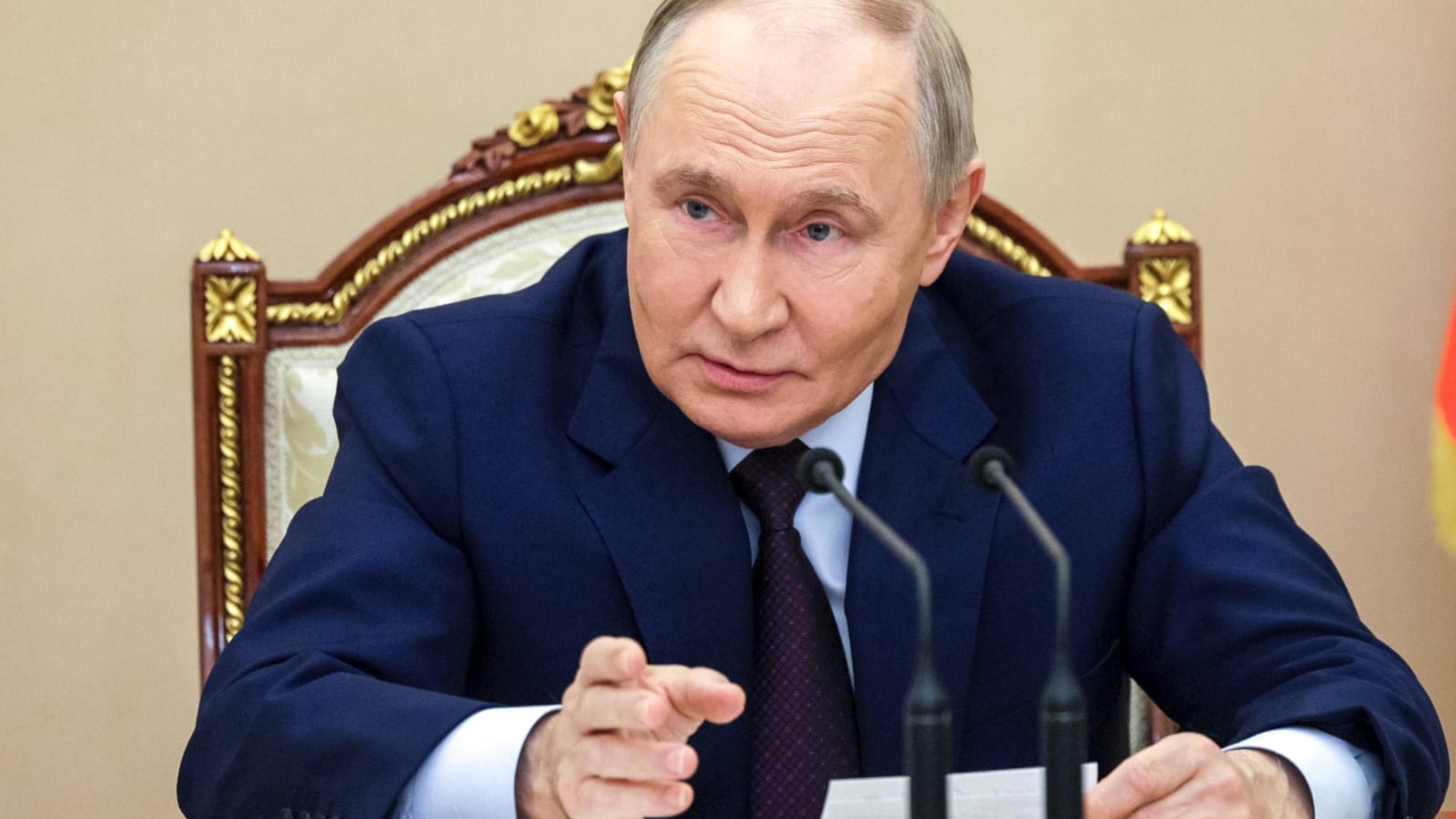
Soon after troops invaded Ukraine in February 2022, Western leaders expelled hundreds of Russian spies from their capitals and blacklisted companies with ties to the Kremlin. The coordinated effort w...
The Strategic Pivot: Russia's Intelligence Shift to Japan
Following the February 2022 invasion of Ukraine, the global intelligence landscape underwent a seismic shift. As Western nations coordinated a massive purge of Russian diplomats and suspected intelligence officers—effectively blinding the Kremlin's traditional 'legal' espionage networks in Europe and North America—Moscow was forced to adapt. The provided report highlights a critical evolution in this strategy: the transformation of Japan into a strategic hub for Russian espionage. This shift is not merely a change in geography but a fundamental pivot in how the Kremlin maintains its intelligence reach within the G7 framework.
The Geopolitical Vacuum and Japan's Vulnerability
Japan represents a unique target for the SVR (Foreign Intelligence Service) and GRU (Military Intelligence). As a key US ally and a member of the G7, Japan possesses high-value intelligence regarding Western sanctions, military logistics in the Indo-Pacific, and diplomatic strategies. When hundreds of spies were expelled from capitals like London, Berlin, and Washington, Russia sought 'soft' entry points where diplomatic ties were still tenuously maintained. Japan's historical territorial disputes with Russia over the Kuril Islands have historically necessitated a degree of diplomatic openness, which the Kremlin has exploited to maintain a foothold in the region while other doors were slamming shut.
Evolution of Espionage Tactics
To turn Japan into a 'den of spies,' Russia has likely moved away from traditional diplomatic cover toward more deniable assets. This includes the recruitment of local proxies, the use of business fronts, and the exploitation of third-country nationals to conduct surveillance. By utilizing 'non-official cover' (NOC) operatives, Russia can bypass the scrutiny that accompanies official diplomatic credentials. This strategy allows Moscow to gather critical data on Japan's security posture and its coordination with the United States, effectively turning a democratic ally's territory into a staging ground for clandestine operations.
The Tension Between Diplomacy and Security
This intelligence surge places the Japanese government in a precarious position. Japan has consistently supported Ukraine and joined Western sanctions, yet it must balance this with its own national security interests and the desire to resolve long-standing border conflicts. The presence of an intensified Russian spy network within its borders creates a 'gray zone' conflict where the line between diplomatic engagement and national security breach becomes blurred. The risk is not only the theft of state secrets but the potential for Russian influence operations to sow discord within Japanese political circles regarding the cost of supporting Ukraine.
Implications for the Western Intelligence Alliance
Russia's focus on Japan has broader implications for the 'Five Eyes' and other Western intelligence-sharing agreements. If Japan is compromised as a hub for Russian activity, it creates a potential leak in the security perimeter of the democratic West. The coordinated effort by Western leaders to blacklist Kremlin-linked companies was meant to isolate Russia, but this report suggests that Russia is simply diversifying its risk. By shifting assets to Japan, Moscow ensures that it remains 'in the room' during critical discussions regarding the future of the European security architecture and Indo-Pacific stability.
Future Trends: The Escalation of the Shadow War
Looking forward, it is probable that Japan will be forced to significantly overhaul its counter-intelligence capabilities. We can expect an increase in the scrutiny of foreign business investments and a tightening of laws regarding foreign agents. As Russia continues to leverage Japan as a proxy for its intelligence needs, the likelihood of high-profile expulsions or espionage scandals in Tokyo will increase. The 'shadow war' that has defined the post-2022 era is no longer confined to Eastern Europe; it has expanded into a global game of cat-and-mouse, with Japan now serving as a primary chessboard.
Summary
In conclusion, the Russian Federation's decision to intensify its intelligence operations in Japan is a direct response to its isolation from other Western capitals. By exploiting Japan's geopolitical position and diplomatic nuances, Putin has sought to maintain a strategic window into the West. This evolution underscores the resilience of Russian intelligence services and the ongoing challenge for G7 nations to maintain a unified front against clandestine Kremlin activities.