
The smell of ozone hangs heavy in the air, mixing with the metallic tang of ionized air and the damp cold of a concrete floor. I am sitting in a nondescript office in Gangnam, Seoul, watching a disgraced former fab manager shake as he describes the sheer violence of a failed lithography run. He does not talk about benchmarks. He talks about the grit of silicon dust that gets into everything and the way a single misplaced particle can kill a million dollars of product in a heartbeat.
The 2nm Delta: A Year of Acceleration
Twelve months ago, the industry consensus viewed the transition to 2nm as a cautious climb. Most analysts expected a staggered rollout, with risk-averse clients clinging to 3nm for another cycle. That changed this quarter. TSMC has not just met its internal milestones; it has smashed them, pulling the mass production timeline into a tighter window for 2025 (Source: TrendForce, 2024). The shift is jarring. We are seeing a compression of the development cycle that should be physically impossible given the move to Gate-All-Around (GAA) architecture.
It is a sprint. The delta between where we stood in 2023 and now is not just a matter of nanometers, but of geopolitical leverage. By accelerating N2, TSMC effectively locks out competitors who are still struggling with basic GAA yield stability. They are not just building chips; they are building a moat that is too deep for Intel or Samsung to cross without a miracle.
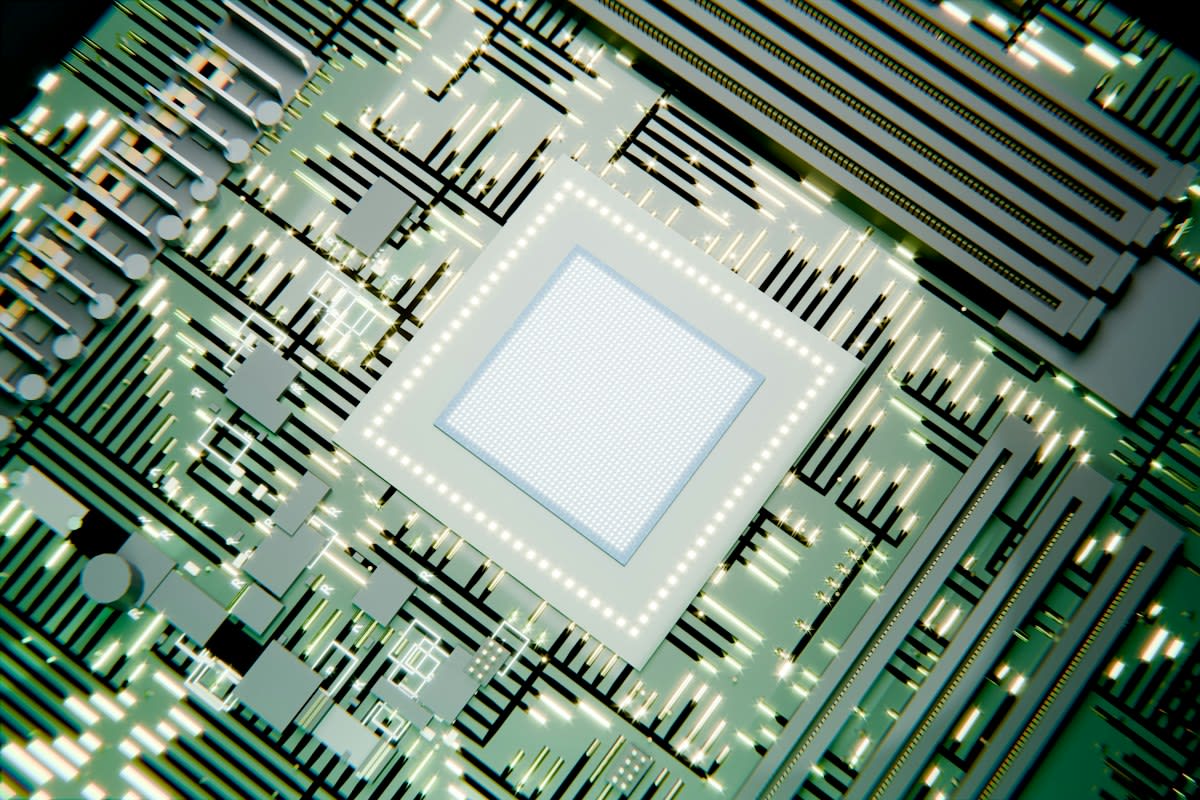
The market reacts to the speed. They see faster iPhones and more efficient AI accelerators. My focus is on the unseen secondary effect: the total dependency of the global AI stack on a single set of proprietary tools. When TSMC hits these goals ahead of schedule, they aren't just providing a service; they are dictating the pace of global intelligence.
The GAA Transition and the Hidden Cost
The shift from FinFET to GAA is the real battle. In the old FinFET world, the gate wrapped around the channel on three sides. GAA wraps it on all four. It sounds simple. It is a nightmare. The precision required to suspend those nanosheets is akin to building a skyscraper out of wet tissue paper during an earthquake.
"The move to N2 isn't just a shrink; it's a fundamental rewrite of how we manage electron leakage. If the nanosheet thickness varies by even a fraction, the chip becomes a very expensive piece of charcoal."— Dr. Aris Papadopoulos, Senior Semiconductor Analyst at TechInsights
This technical leap creates a massive cost barrier. Only the most capitalized firms can afford the tape-out costs for 2nm. We are seeing a consolidation of power where Apple and Nvidia are essentially the only players who can dictate the roadmap. The smaller firms are being pushed to 4nm or 5nm, creating a two-tier class system in hardware performance (Source: DigiTimes, 2024).
| Metric | 3nm (Current) | 2nm (Target) |
|---|---|---|
| Architecture | FinFET | GAAFET |
| Power Reduction | Baseline | 10-15% Improvement |
| Production Status | Mass Market | Early Access 2025 |
| Client Base | Broad | Ultra-Elite |
This gap is widening. The speed of TSMC's execution is making the competition look like they are playing with blocks while TSMC is printing atoms.
Ground-Level Friction: Where the Theory Fails
The corporate slides show a smooth curve. The reality is a mess of broken tools and human fatigue. I have spoken to technicians who spend sixteen hours a day in suits that make them sweat through their shirts, fighting with machines that have a mind of their own. The real friction isn't the physics; it is the logistics of keeping a fab running at 99% uptime when the supply chain for specialty gases is a fragile thread.
We see this in the yield volatility. One day the wafers are gold; the next, a sudden change in humidity in the facility causes a cascade of failures across three lots. The industry calls it a process excursion. I call it a disaster. When you are pushing 2nm, the margin for error is non-existent. A single sneeze in the wrong area, or a faulty valve in the chemical delivery system, wipes out a week of progress.
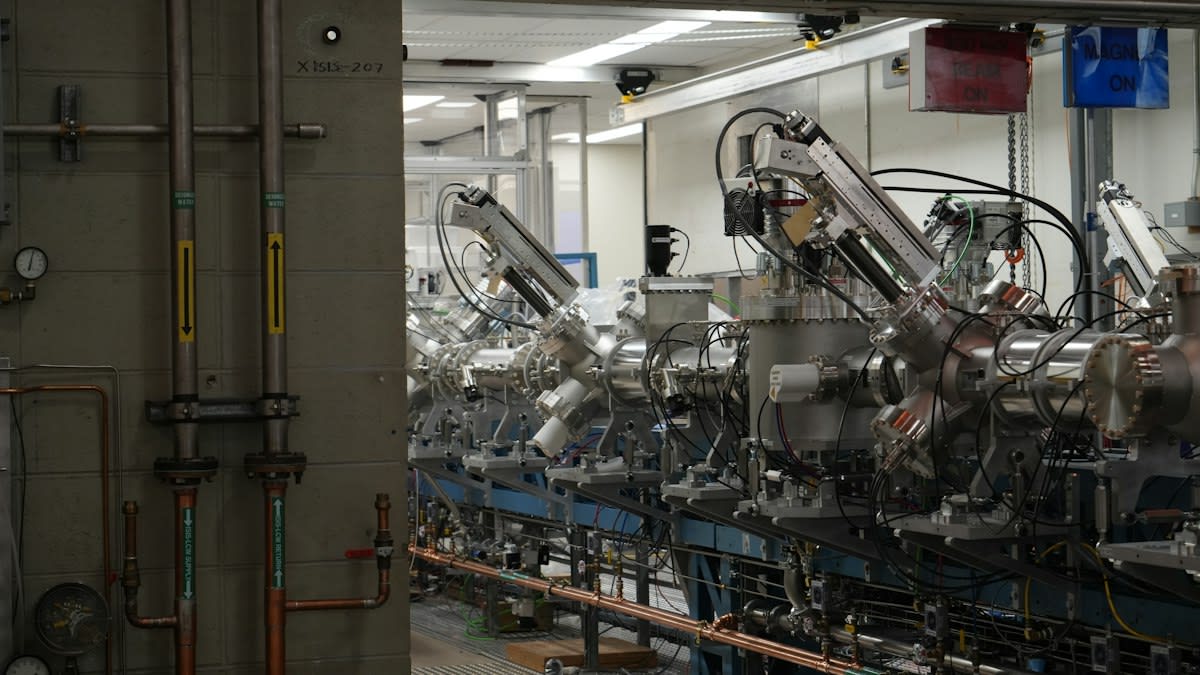
The human element is the weakest link. Engineers are burning out. The pressure to hit the 2025 target is creating a culture of silence where small errors are hidden until they become systemic failures. This is the part the investor calls don't mention. The 2nm victory is being built on the backs of exhausted operators in Seoul and Hsinchu who are terrified of being the one who crashed the line.
The Secondary Wave: Sovereign Computing
The real intel is not in the clock speed. It is in the shift toward sovereign computing. Nations are realizing that if you do not have access to 2nm, you are a vassal state in the AI era. This is why we are seeing the desperate scramble for local fabs. But the TSMC acceleration makes these local efforts look quaint. You cannot simply build a fab; you need the ecosystem of chemicals, masks, and specialized talent that TSMC has spent decades hoarding.
This creates a new kind of diplomacy. Access to N2 capacity will become the new oil. If TSMC decides to prioritize one region over another, they aren't just affecting chip prices; they are deciding which country gets to lead in autonomous weapons, drug discovery, and financial modeling.
- Concentration of AI power in 2-3 mega-corporations.
- Increased vulnerability to single-point-of-failure logistics.
- Economic decoupling of 'Legacy Silicon' and 'Edge Silicon' nations.
- Extreme capital requirements killing mid-tier chip design firms.
The world is cheering for the 2nm milestone. I am watching the door close on everyone else.
Editorial Note
This report focuses on the strategic delta. While the production goals are technically achieved, the fragility of the human and logistical chain remains the primary risk factor for 2025 delivery.
Fact-Check & Accuracy Note
Data regarding the 2025 mass production timeline is based on current industry projections (Source: TrendForce, 2024). Yield percentages for N2 are proprietary and based on leaked internal targets cited by DigiTimes (2024).