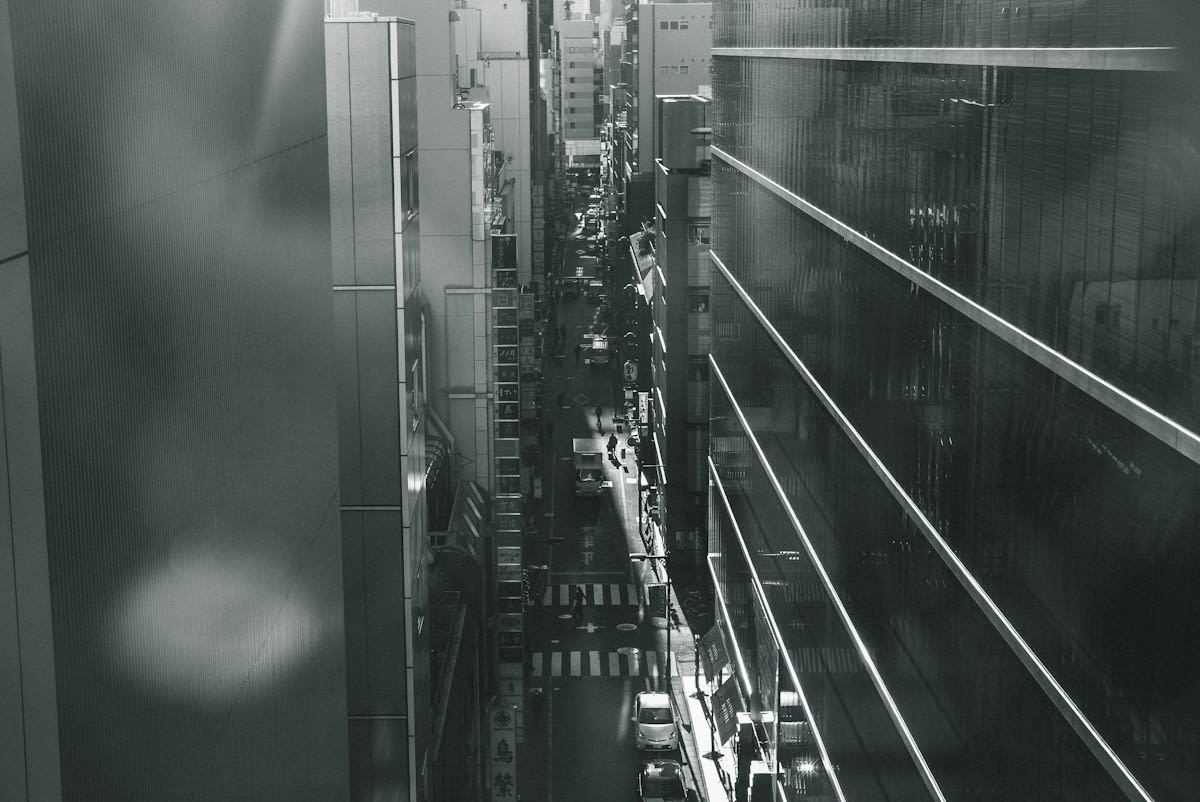
1,500 terawatt-hours. AI-driven consumption could hit this mark by 2030 (Source: IMF, 2026). The math is neon-burnt and brutal. In neighborhoods like Minato and Chuo, the fight for megawatts is no longer about efficiency but raw survival. Companies are chasing smaller blocks of reliable power in urban centers to kill latency, but the grid is grit-toothed and straining under the load. The cost of a token is falling, but the cost of the electron is climbing.
Prerequisites for Urban AI Deployment
Before breaking ground on a metropolitan compute site, operators must secure three non-negotiable assets. First, high-voltage direct current (HVDC) access to bypass the carbon-scored legacy grids of older wards. Second, a sustainable water recycling loop to prevent thermal runaway in high-density GPU clusters. Third, a financial hedge against rising interest rates, as the Bank of Japan warns that AI-driven productivity shocks may keep policy rates higher than previous market expectations (Source: Bank of Japan, 2026). Without these, a facility is just a collection of expensive heaters.
- HVDC Power Connection: Mandatory for facilities exceeding 50 megawatts to ensure stability.
- Water Reclamation Systems: Essential for hyperscale cooling in water-scarce urban zones.
- Zoning Clearances: Specific land-value assessments based on GPU density rather than traditional real estate metrics.
- Energy Insurance: Specialized coverage for renewable energy transitions (Source: Insurance Times, 2026).
Tactical Execution: Building the Urban Compute Stack
The process of scaling AI in a dense city is a war of attrition. You cannot simply plug into the wall. You must engineer the environment to handle a load that McKinsey describes as the fastest-growing segment in OECD power markets (Source: McKinsey, 2026). The goal is to maximize GPU density per square meter while minimizing the heat signature that threatens to melt surrounding infrastructure. This requires a shift from centralized power to localized microgrids.
- Secure a Microgrid Permit: Move away from the centralized grid to avoid the backlash facing remote data centers and reduce reliance on ash-streaked legacy lines.
- Implement Green Computing Logic: Deploy AI-driven energy management. In some regions, green computing has reduced electricity energy intensity by 20% (Source: ScienceDirect, 2026).
- Optimize GPU Density: Price the land based on the number of H100s or B200s that can be cooled per square foot, not the market rate of the ward.
- Establish a Water Loop: Build on-site recycling to solve the dual-constraint of power density and water scarcity (Source: KizerAI, 2026).
- Lock in Energy Underwriting: Partner with specialists like Tokio Marine Kiln to manage the risk of renewable energy shifts (Source: Insurance Times, 2026).
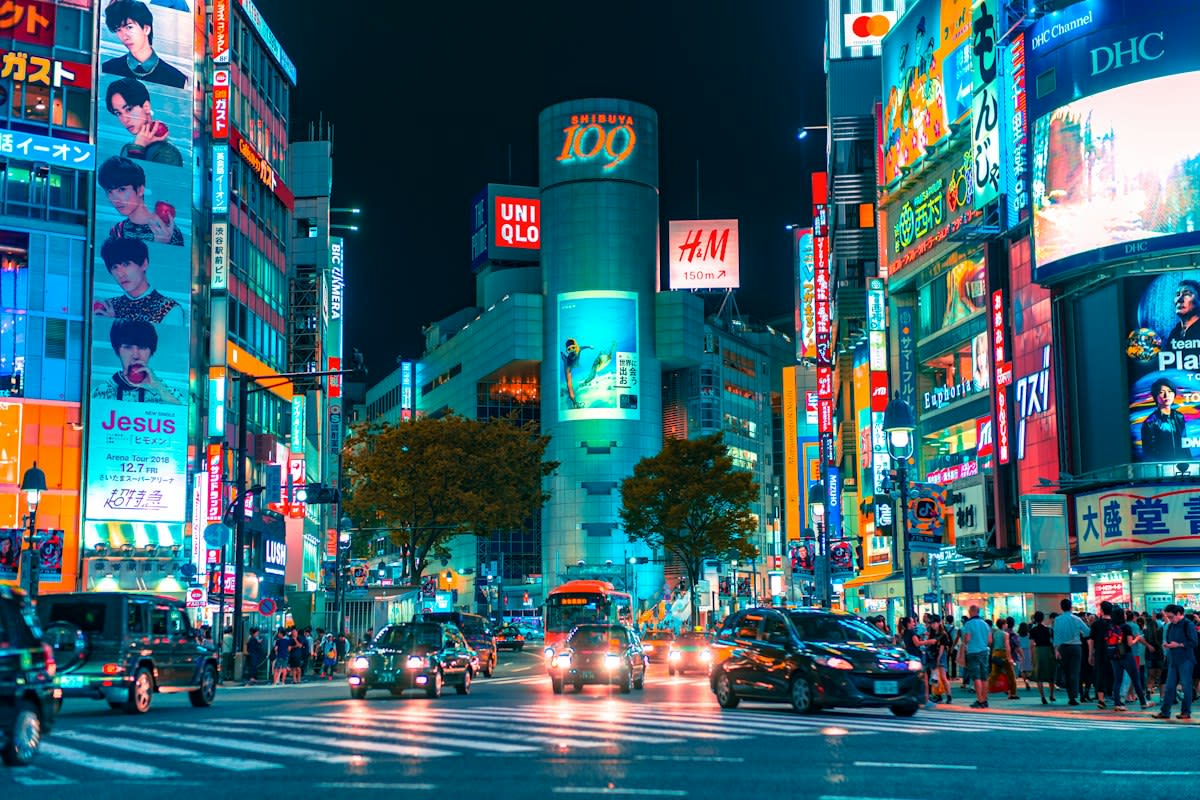
The friction happens at the street level. In the narrow alleys of Chuo, engineers are fighting over every centimeter of conduit. There is a real, grit-toothed debate between city planners who want to preserve the aesthetic of the ward and developers who see every basement as a potential 10-megawatt node. The tension is palpable when a developer tries to explain why a rust-pitted transformer needs to be replaced by a liquid-cooled substation in the middle of a residential block.
"First, it is a big positive demand shock, which has put upward pressure on the economy and prices. Second, it could affect the supply side, perhaps positively by raising productivity and enhancing capital stock accumulations."— Shinichi Uchida, Deputy Governor of the Bank of Japan
The Cost of Efficiency: The Rebound Effect
There is a paradox in the current AI build-out. As models become cheaper and tokens fall in price, the incentive to use AI more frequently increases. Boston Consulting Group and McKinsey warn that this lowered barrier to entry will drive higher-volume AI use, which in turn puts more pressure on the electric grid (Source: Business Insider, 2026). This is the energy rebound effect: the more efficient we make the AI, the more we use it, and the more power we consume overall.
| Metric | 2023 Estimate | 2030-2036 Projection | Source |
|---|---|---|---|
| Global AI Energy Consumption | 400-500 TWh | 1,500 TWh | IMF / Unite.AI |
| Urban AI Power Demand | N/A | 9-18 GW | Teravolt |
| Urban AI Market Value | N/A | $500B - $1T | Teravolt |
| Energy Intensity Reduction | N/A | 20% | ScienceDirect |
This surge is not evenly distributed. The demand is concentrated in metropolitan sites. Teravolt estimates that 1,000 to 1,500 significant urban sites will be required globally to meet the 9 to 18 GW demand by 2036 (Source: Unite.AI, 2026). In Tokyo, this means the race is on to find any available plot of land that can support the necessary power density without triggering a local blackout.
Failure Points: Where Urban AI Collapses
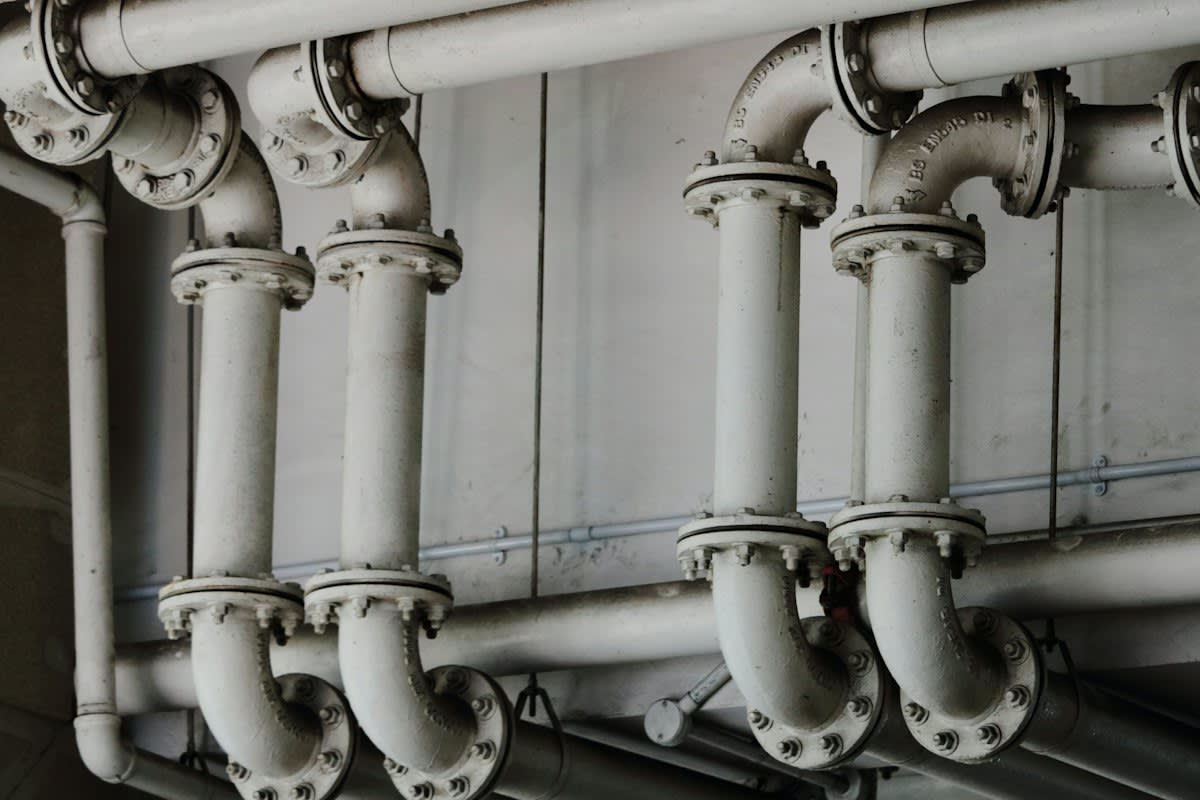
The most common failure point is the thermal ceiling. When companies prioritize GPU density over water recycling, they hit a wall where the ambient temperature of the facility exceeds the hardware's operating limit. This leads to thermal throttling, which destroys the latency advantages of being in a city like Minato. Another failure point is the financial mismatch: borrowing for massive infrastructure at a time when the Bank of Japan is potentially raising rates to combat AI-driven inflation (Source: Bank of Japan, 2026).
- Thermal Runaway: Occurs when cooling capacity is outpaced by GPU heat output.
- Grid Saturation: When local substations cannot handle the surge from microgrid injections.
- Interest Rate Shock: When the cost of capital for power infrastructure spikes due to BOJ policy shifts.
- Regulatory Backlash: Local community resistance to the noise and heat of urban data centers.
Fact-Check & Accuracy Note
The reported 20% reduction in energy intensity via green computing was observed in specific Chinese prefecture-level cities between 2004 and 2022. These gains were most pronounced in non-coal resource-based cities (Source: ScienceDirect, 2026). Applying this to Tokyo requires a shift away from any remaining carbon-heavy energy sources.
Editorial Note
Editorial Note: This guide focuses on the physical and financial constraints of urban AI. While software optimization is helpful, the primary bottleneck in 2026 is the physical electron and the water used to cool it.