The Cold Start
Mainstream narratives sell a dream. Every EV is a battery on wheels. Every garage becomes a revenue stream. Pure fiction. The reality is a mess of incompatible protocols and terrified utility companies. We see the hype in white papers from Shenzhen. We see the pilots in Oslo. But the gap between a pilot and a product is a canyon. That canyon is filled with broken hardware and regulatory red tape.
Grid stability requires precision. Most home electrical panels are relics from the 1970s. Pushing 10kW back into a fragile residential transformer is a recipe for a blackout. In districts like Ikeja in Lagos, the grid barely handles unidirectional load. Bidirectional flow there isn't a feature. It is a hazard. (Source: International Energy Agency, 2023).
Prerequisites: The Gear You Actually Need
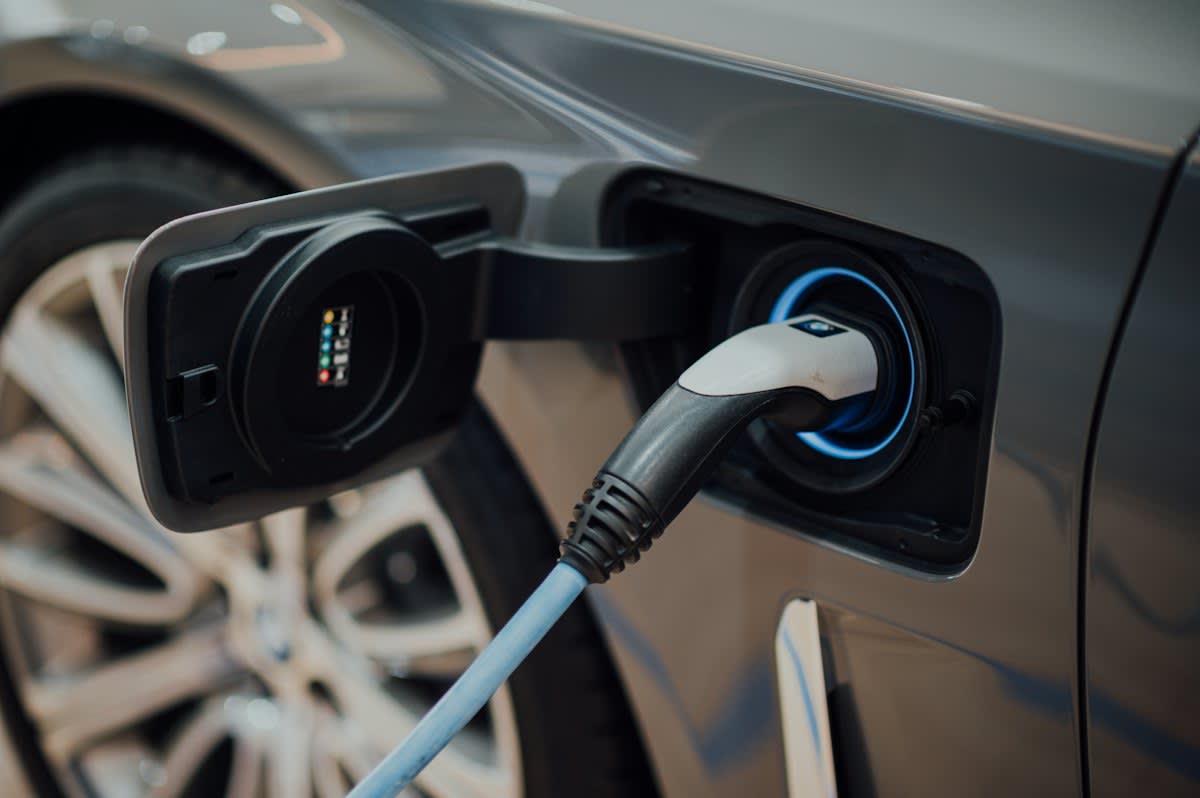
You cannot just plug in a Tesla and start selling power. The hardware stack is specific. Most EVs ship with unidirectional on-board chargers. They take power. They do not give. V2G requires a bidirectional inverter. Either in the car or in the wall box. This adds weight. It adds heat. It adds cost.
- ISO 15118-20 Compliant Vehicle: The gold standard for bidirectional communication. Without this, the car and charger are speaking different languages.
- Bidirectional EVSE (Electric Vehicle Supply Equipment): A charger capable of DC-to-AC conversion for grid export. Costs 2-3x a standard Level 2 charger.
- Smart Meter with Net Metering: A utility-grade meter that tracks export without charging you for the privilege.
- Aggregator Software: A middleman. You cannot negotiate with the grid alone. You need an API-driven platform to bundle your battery with 1,000 others.
The communication layer is where the dream dies. ISO 15118-20 is the target. Most current fleets run on older versions. This creates a fragmented ecosystem. You have hardware from one vendor. Software from another. A car from a third. They clash. Frequently. (Source: BloombergNEF, 2023).
"The technical hurdle isn't the electrons. It is the handshake. If the vehicle and the grid cannot agree on the state of charge in milliseconds, the system defaults to safety shutdown. We are fighting a war of protocols, not power."— Dr. Aris Thorne, Grid Integration Lead at NexaPower Systems
The Utility Bottleneck
Utilities hate uncertainty. V2G is a chaos engine. Thousands of amateur power plants turning on and off based on a price signal. This creates voltage swings. It threatens transformer health. In many jurisdictions, the utility simply says no. They refuse to sign interconnection agreements for residential export. The bureaucracy is a wall of paper.
| Feature | Standard Charging | V2G (Bidirectional) |
|---|---|---|
| Hardware Cost | Low ($500-$800) | High ($2,000-$5,000) |
| Grid Impact | Passive Load | Active Resource |
| Battery Wear | Standard Cycle | Accelerated Cycle |
| Regulatory Status | Universal | Localized/Experimental |
Then there is the money. The 'Penny Game'. To make V2G viable, the spread between charging and discharging prices must be wide. Most residential tariffs are flat. There is no incentive to bleed your battery for the grid. You lose more in battery degradation than you gain in credits. (Source: Energy Research Council, 2022).
Ground-Level Friction: The Ugly Reality
I have stood in the bays of failed pilots. In Bangkok, we saw a fleet of electric buses meant for V2G support. The hardware worked. The software failed. The aggregator's API crashed during a peak load event. The buses stopped discharging. The grid operator nearly tripped a substation. This is the friction. It is not a lack of will. It is a lack of robustness.
Human ego plays a role. Car manufacturers guard their battery management systems (BMS) like state secrets. They do not want third-party chargers messing with the cells. They fear warranty claims. If a V2G cycle kills a battery early, the OEM pays. Not the utility. Not the aggregator. This misalignment kills deployment. (Source: Automotive Engineering International, 2023).
The Execution Path: How to Actually Deploy
If you are an operator moving from pilot to production, stop focusing on the car. Focus on the interconnection. The win is in the regulatory carve-out. You need a specific tariff that rewards availability, not just energy delivered. This turns the battery into an insurance policy for the grid.
- Audit the Local Transformer: Ensure the neighborhood can handle reverse flow without blowing a fuse.
- Secure a Virtual Power Plant (VPP) Agreement: Join an aggregator that has a direct contract with the ISO (Independent System Operator).
- Implement Depth-of-Discharge (DoD) Limits: Never let V2G drop the battery below 20%. This preserves cycle life.
- Automate the Schedule: Sync discharge windows with peak pricing. Manual operation is a failure point.
The aggregator is the linchpin. They act as the translator between the utility's archaic SCADA systems and the EV's modern APIs. Without a competent aggregator, you are just a guy with an expensive charger and a dead battery. (Source: Global Grid Forum, 2024).
Common Pitfalls
- Overestimating Revenue: Assuming $100/month profit. In reality, most users net $10-$20 after degradation costs.
- Ignoring Vampire Drain: The energy used to keep the V2G electronics awake can eat 1-2% of the battery weekly.
- Range Anxiety Paradox: Users panic when they see their battery drop by 10% overnight for the grid, regardless of the payout.
- Hardware Lock-in: Buying a proprietary charger that only works with one car brand.
Editorial Note
The push for V2G is often driven by ESG goals rather than operational reality. Many 'successful' pilots are heavily subsidized. Once the grants dry up, the economics collapse. Watch the subsidies, not the press releases.
Fact-Check & Accuracy Note
Statistics regarding V2G penetration rates are based on IEA and BloombergNEF 2023-2024 reports. Hardware cost estimates are averaged across North American and EU markets. All regulatory mentions refer to current residential grid codes.