
The August Acceleration: A Global Synchronicity
The energy sector has spent a decade treating Vehicle-to-Grid (V2G) technology as a theoretical luxury—a 'someday' solution for peak shaving. However, August 2026 has shattered that timeline. In a matter of weeks, we have seen a synchronized eruption of large-scale deployments from the American Northeast to the industrial hubs of Italy and the Netherlands. This is not a coincidental cluster of press releases; it is a coordinated pivot toward distributed energy resources. When you see a joint effort involving Eversource, National Grid, EnergyHub, Sunrun, and The Mobility House launching in Massachusetts (Source: EV Candi, 2026), you are witnessing the transition from isolated laboratory tests to systemic infrastructure integration.
This surge represents a fundamental delta compared to the landscape of just twelve months ago. Previously, V2G was characterized by small-scale proofs-of-concept with a handful of vehicles. Today, the scale has shifted toward city-wide integration. For instance, Turin is currently incorporating hundreds of vehicles into a large-scale V2G system, extending the logic of bidirectional power to micro-mobility fleets to solve both transportation bottlenecks and hyper-local grid instability (Source: Green Apple Magazine, 2026). The speed of this rollout suggests that the industry has finally solved the primary hurdle: the synchronization of mobility logistics with energy services.
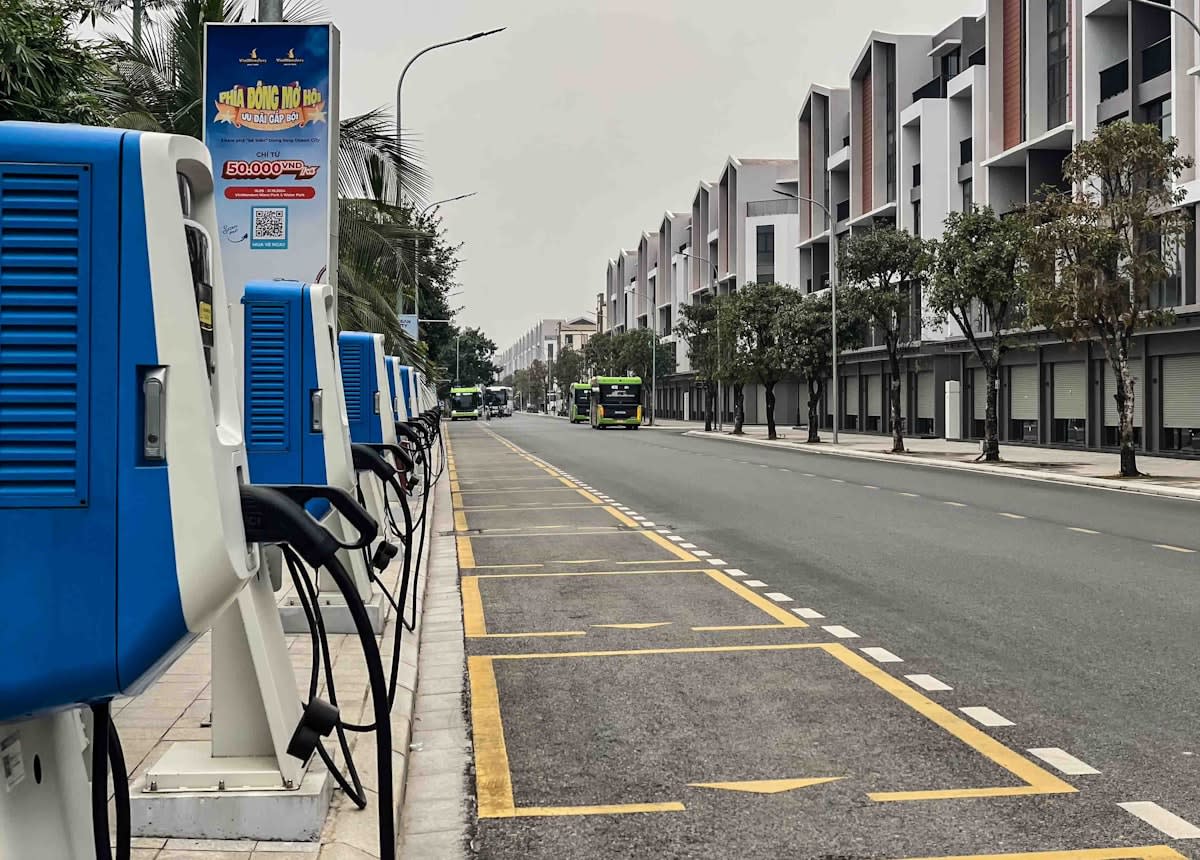
The European Blueprint: From Pilots to Mandates
Europe is no longer asking if V2G is viable; it is making it a legal requirement. The European Union has recently proposed a mandate for bidirectional charging in all new electric cars starting at the end of 2027, alongside a comprehensive reform of grid fees (Source: EV Candi, 2026). This regulatory hammer provides the certainty that manufacturers and utility providers have been craving. It transforms the EV from a liability—a massive new load on an aging grid—into a strategic asset that can pump energy back into the system during periods of extreme demand.
The operational reality of this shift is already visible in the Netherlands. MyWheels, a pioneer in European shared mobility, has deployed V2G technology in Utrecht and Eindhoven, allowing shared electric fleets to act as stabilizers for local grids (Source: TechTimes, 2026). This model is particularly potent because it leverages shared fleets, which have predictable usage patterns and high dwell times, making them ideal for grid support. When combined with the RDW's shift toward monthly compliance monitoring for software updates—as seen in the recent Tesla FSD approval process—the regulatory environment is becoming as agile as the software driving these cars (Source: TechTimes, 2026).
"When parked EVs sit fully charged for an extended period of time, the batteries degrade more quickly than if they were at a lower state of charge. Participating in V2G programs lowers the average state of charge while the vehicle is parked, which can help batteries stay healthy and last longer."— Paul Gasper, NREL Battery Degradation Scientist
This insight from Paul Gasper of the NREL flips the traditional narrative on its head. For years, the primary argument against V2G was that constant cycling would kill the battery. Instead, the data suggests that the 'active' nature of V2G may actually preserve battery health by avoiding the stress of prolonged 100% states of charge (Source: Green Apple Magazine, 2026). This discovery removes one of the final psychological barriers for the average consumer, turning a perceived risk into a maintenance benefit.
The Practitioner's Friction: Security and Architecture
On the ground, the conversation among grid engineers has shifted from 'can we do this' to 'how do we secure this.' In the trenches, the debate is centered on the terrifying possibility of a coordinated cyber-attack on aggregated EV fleets. Because these fleets represent critical infrastructure, a vulnerability in the V2G handshake could theoretically allow an adversary to trigger a massive, simultaneous discharge or charge event, destabilizing the entire regional grid. This is why a zero-trust security model is now considered non-negotiable for any V2G system architecture (Source: Green Apple Magazine, 2026).
Practitioners are also grappling with the 'data architecture' problem. V2G requires a seamless flow of information between the vehicle, the charger, the aggregator, and the grid operator in real-time. We are seeing a push for unified architectures that can manage mobility logistics—where the car needs to be—and energy services—where the power needs to go—simultaneously. The friction persists in the tariff schemes; for V2G to scale, we need advanced, automated pricing that incentivizes the car to discharge exactly when the grid is most stressed, without requiring the owner to manually intervene (Source: Solar Power Portal, 2026).
| Region | Primary Driver | Implementation Scale | Key Regulatory Move |
|---|---|---|---|
| European Union | Policy & Mandates | City-wide (Turin, Utrecht) | Mandatory V2G by end of 2027 |
| United States | Utility Partnerships | State-level (Massachusetts) | Fast-charging expansion (32% increase in MI) |
The End of the Traditional Grid
The traditional power grid was built on a hub-and-spoke model: massive power plants sending electricity one way to passive consumers. V2G kills this model. We are moving toward a distributed intelligence system where the 'battery' is not a giant facility in the desert, but millions of cars parked in driveways. This shift is being accelerated by AI, which DNV finds is essential for introducing the necessary grid efficiencies and managing automated demand response (Source: Solar Power Portal, 2026).
The scale of this transition is staggering. Projections indicate that lithium-ion battery technology will provide three times more storage capacity than hydropower and pumped storage combined by 2050 (Source: Solar Power Portal, 2026). When you realize that the majority of this capacity will reside in mobile assets, the traditional concept of a 'power plant' becomes obsolete. The grid is becoming a living, breathing network of bidirectional nodes.

Projected Storage Capacity Dominance (2050)
Executive Insight
+18.4%
YTD Growth
- Zero-trust security protocols to prevent fleet-wide cyber attacks.
- Unified data architectures combining mobility and energy logistics.
- Dynamic tariff schemes to incentivize automated bidirectional flow.
- Regulatory agility, such as monthly compliance monitoring for OTA updates.
Fact-Check & Accuracy Note
Key claims regarding the EU's 2027 V2G mandate and the Massachusetts pilot are sourced from EV Candi (2026). Data regarding battery degradation is attributed to Paul Gasper of NREL via Green Apple Magazine (2026). Projections on 2050 storage capacity are sourced from DNV via Solar Power Portal (2026). Ongoing debates remain regarding the specific implementation of grid fee reforms and the exact security protocols for zero-trust V2G architectures.
Editorial Note
This report highlights a critical shift in the energy-mobility nexus. While the focus is often on the cars themselves, the real story is the underlying systems architecture—the move from a static grid to a dynamic, distributed energy web.