‘Pressured to release Ranka, Das’: CJP bail hearing put off as judge cites threat to life
Source Entity
TNN
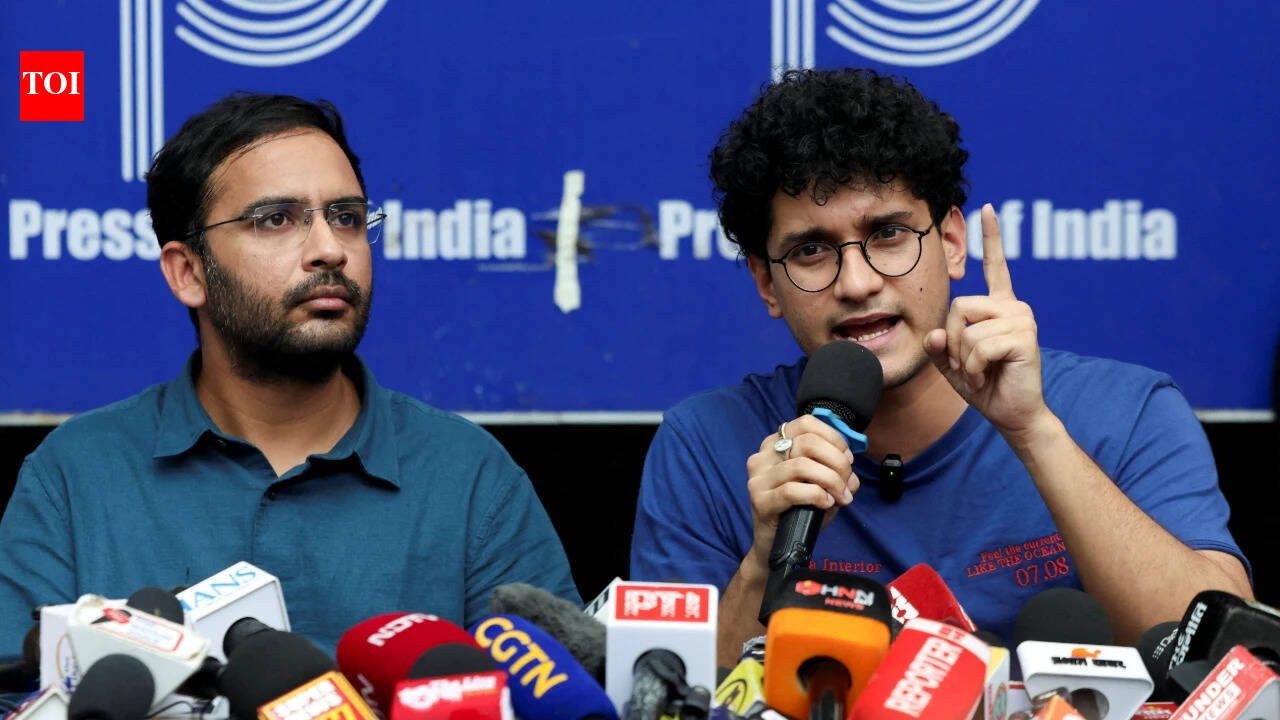
The Delhi Police has authorized a Congress-led protest rally at Ramlila Maidan on November 1 amid ongoing unrest against the Chief Election Commissioner. Meanwhile, CJP founder Abhijeet Dipke has been released on a peace bond as opposition groups restrategize their anti-CEC campaign.
The Escalating Conflict Over Election Commission Integrity
The political landscape in Delhi is currently defined by a high-stakes standoff between opposition forces and the Election Commission of India (ECI). At the center of this unrest is the 'Vote Bachao, Desh Bachao' movement, which has seen sustained protests against Chief Election Commissioner (CEC) Gyanesh Kumar. The agitation centers on allegations of irregularities during the ECI’s Special Intensive Revision (SIR) of voter rolls, a process the opposition claims has been compromised.
The Legal and Civil Society Struggle
The protest movement has faced significant friction with law enforcement, characterized by preventive detentions and judicial interventions. Notably, Cockroach Janta Party (CJP) founder Abhijeet Dipke was recently released by a Delhi court after signing a peace bond following his preventive arrest. The legal battle has now reached the Supreme Court, where academician Apporvanad Jha has challenged the state's practice of equating peaceful protest with breaches of peace, arguing that such detentions are a tactical maneuver to suppress democratic dissent.
Strategic Shifts and Opposition Mobilization
Following the release of key members like Saurav Das and Ashutosh Ranka, the CJP is currently in a phase of restrategizing its next steps. This pause in direct action allows the outfit to recalibrate its approach while the broader opposition bloc, led by the Congress and various civil society representatives, prepares for a major escalation. The approval of a mega rally at Ramlila Maidan on November 1 serves as a significant milestone for the INDIA bloc, providing a sanctioned platform to voice grievances against the ECI on a national stage.
The Broader Political Implications
The permission granted by the Delhi Police for the November 1 rally represents a temporary easing of tensions, yet the underlying distrust remains profound. By moving the protest to a venue as symbolic as Ramlila Maidan, the opposition aims to consolidate its message of electoral integrity. This gathering is expected to be a major display of unity, positioning the electoral process itself as the primary battleground between the opposition and the BJP-led government.
Global Perspectives and Future Outlook
The intensity of this domestic movement has even resonated internationally, with members of the Indian diaspora in London staging counter-protests in support of the current administration. As the November 1 date approaches, the political climate remains volatile. The outcome of the Supreme Court's deliberations on the right to protest, combined with the scale of the upcoming rally, will likely dictate the trajectory of this confrontation and set a precedent for how future electoral grievances are managed in the Indian democratic framework.
Multiple Citing Sources