Congress blames pitch, ball, umpire for own poor batting
Source Entity
Jaiveer Shergill
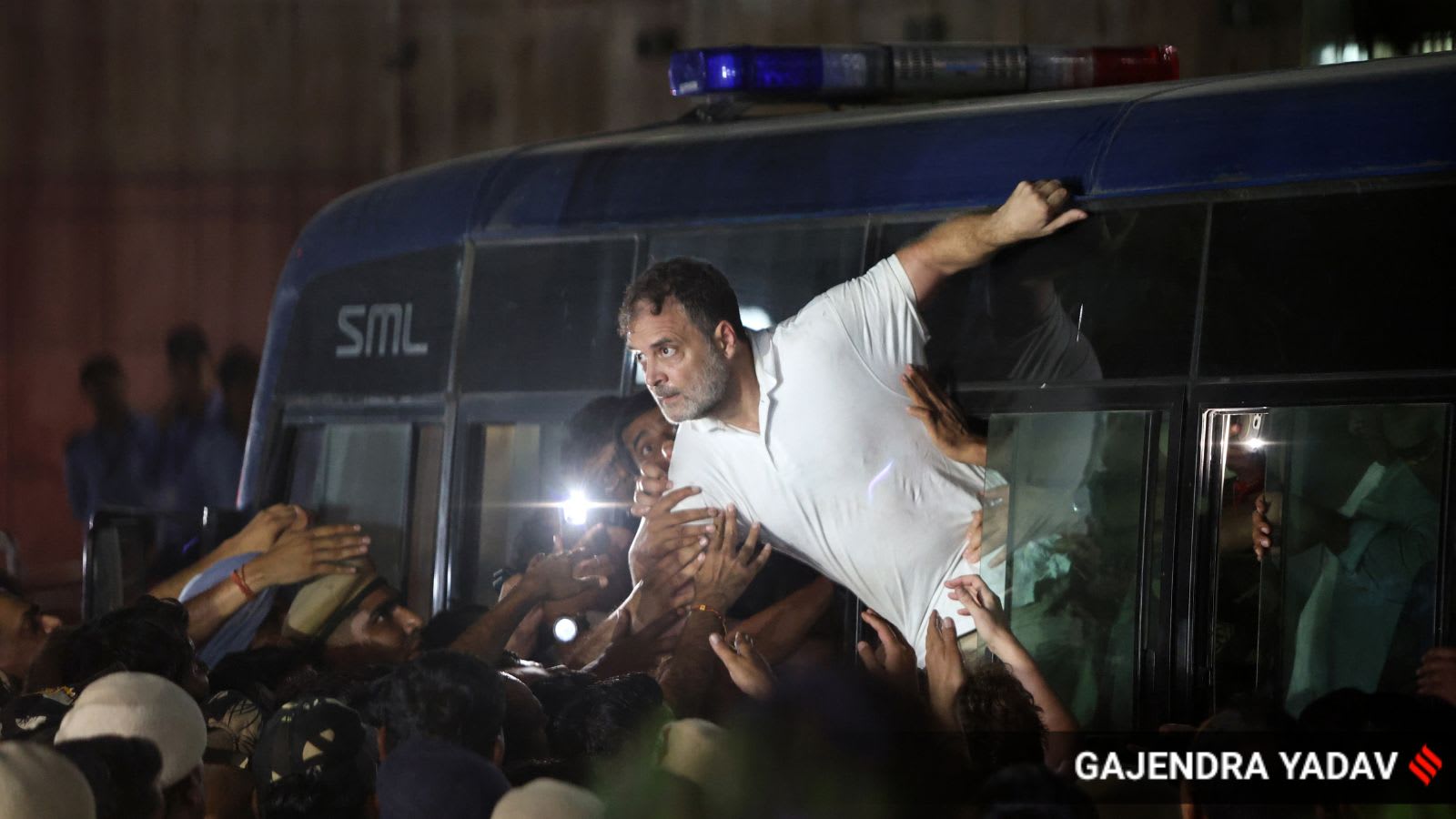
The Congress party is facing criticism for questioning the Election Commission of India's integrity following recent electoral setbacks. Critics argue this behavior ignores necessary internal introspection and reflects a historical pattern of politicizing constitutional institutions.
The Politics of Defeat: Scrutinizing Institutional Trust
The recent agitation by the Congress party, led by Rahul Gandhi, against the Election Commission of India (ECI) regarding the Special Intensive Revision (SIR) of electoral rolls has reignited a fierce debate over political accountability. By calling for the resignation of Chief Election Commissioner Gyanesh Kumar, the party has once again shifted the focus from its own electoral performance to the perceived bias of the constitutional body tasked with overseeing the nation's democratic process.
The Proverbial 'Bad Workman'
In the sphere of Indian politics, the tendency to attribute electoral losses to external factors—such as the 'pitch' (the environment), the 'ball' (the circumstances), or the 'umpire' (the ECI)—has become a recurring narrative. This strategy, often described through the proverb of a bad workman blaming his tools, serves to deflect from the urgent need for internal introspection. Instead of analyzing why voters continue to drift away from the party, the leadership appears to be focusing on delegitimizing the electoral process itself, which risks undermining public faith in India's democratic foundations.
Historical Context of Party-Institution Relations
To understand the gravity of these accusations, one must examine the historical relationship between the Congress and the ECI. Critics argue that the party’s current posture lacks moral locus standi, citing a past marked by significant influence over constitutional institutions. This creates a complex narrative where historical patronage is juxtaposed against current allegations of bias, suggesting that the party’s stance is perceived as selective rather than principled.
Implications for Democratic Stability
When major political parties target the ECI, the broader implication is a potential erosion of trust in the electoral machinery. An independent Election Commission is the bedrock of a functioning republic; when its neutrality is routinely questioned by stakeholders who have lost at the ballot box, it complicates the transition of power and diminishes the perceived mandate of the winners. This cycle of accusation and counter-accusation threatens to normalize the questioning of institutional integrity as a standard political tool.
Future Trends and Political Accountability
Looking ahead, the discourse surrounding the ECI will likely remain a flashpoint in Indian politics. If political entities continue to prioritize blaming the 'umpire' over addressing voter concerns, it may lead to a stagnation in political innovation and policy evolution. True democratic resilience requires that parties accept the verdict of the electorate and focus on the substantive issues that drive voter behavior, rather than engaging in perpetual conflict with the constitutional bodies that safeguard the integrity of the vote.
Conclusion
The current friction between the Congress party and the ECI highlights a critical juncture in political discourse. While oversight of constitutional bodies is a vital part of a democracy, there is a clear distinction between constructive criticism and the tactical delegitimization of institutions. For the health of the Indian democratic system, a return to institutional respect and internal reform remains the most viable path forward for any party seeking to regain its standing with the electorate.