Ilhan Omar: Why the US democrat is being targeted by Donald Trump
Source Entity
The Indian Express
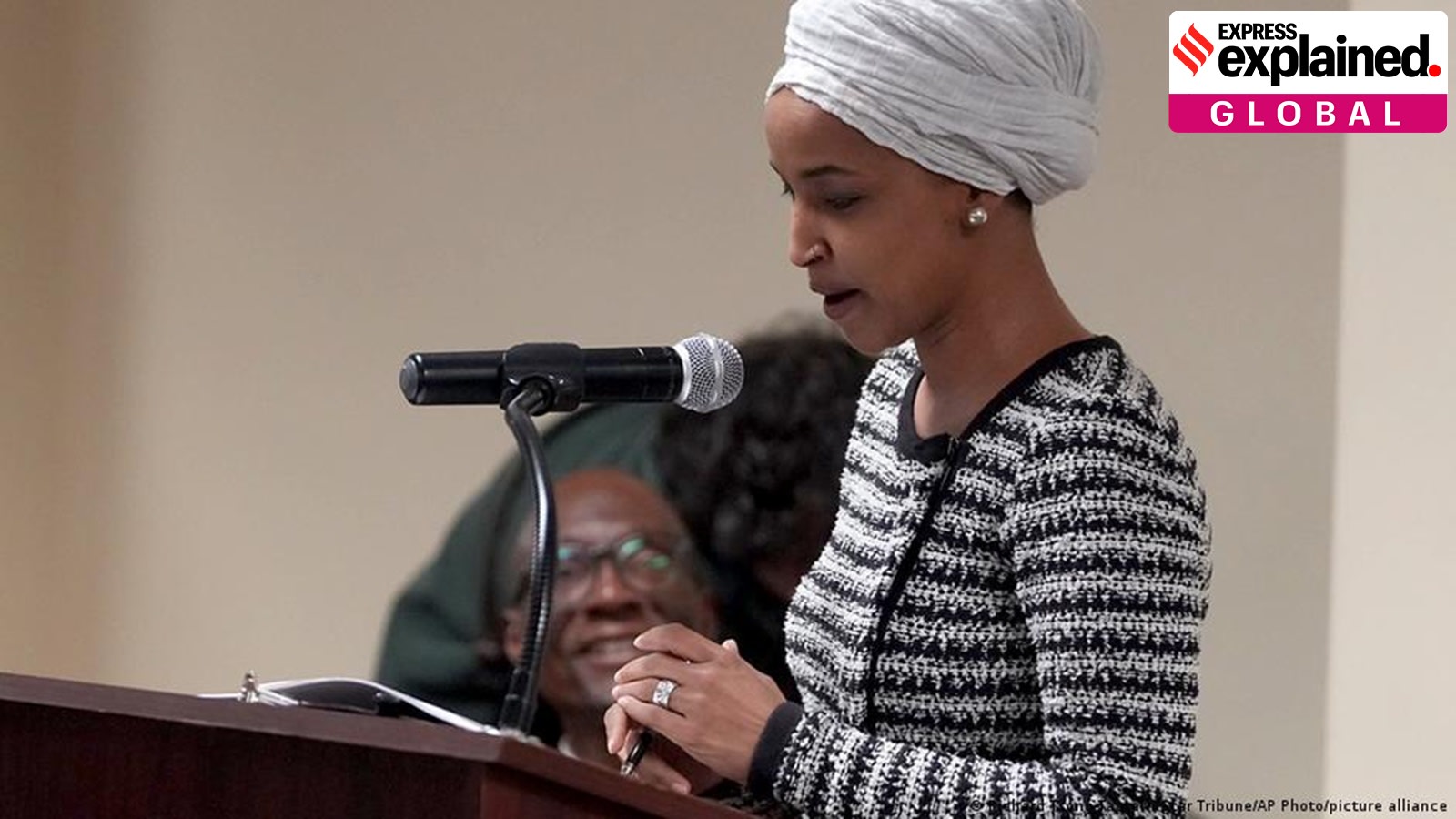
Donald Trump has intensified his rhetoric against Representative Ilhan Omar, utilizing derogatory language regarding her background and appearance. These attacks represent a recurring pattern of political discourse that highlights deep divisions within the American legislative landscape.
The Escalation of Rhetoric in American Political Discourse
Recent statements made by Donald Trump regarding Representative Ilhan Omar have drawn significant attention, marking a continuation of a long-standing pattern of personal antagonism toward the Democratic congresswoman. By targeting her appearance—specifically her hijab—and disparaging her country of origin, Trump has utilized language that moves beyond standard policy disagreement into deeply personal and inflammatory territory. These comments, which include labeling the Representative as "garbage" and mocking her heritage, reflect a broader trend where political debate is increasingly characterized by ad hominem attacks rather than substantive legislative critique.
Analyzing the Context of the Attacks
The rhetoric deployed by Trump serves to frame Representative Omar as an "outsider" whose presence in the American political system is inherently illegitimate. By asserting that she comes from a "country without laws" and suggesting she possesses no right to invoke the U.S. Constitution, the narrative attempts to challenge her status as an American representative. This strategy is not merely a critique of her voting record or ideology; it is a fundamental attack on her identity and her right to participate in the democratic process, which creates a divisive atmosphere within the U.S. House of Representatives.
Historical Context and Political Polarization
This incident is consistent with years of targeted criticism directed at Representative Omar, who is one of the first Muslim women elected to Congress. The historical context of this conflict reveals a clash between two distinct visions of American identity. While supporters of Representative Omar view these attacks as xenophobic and Islamophobic, proponents of the former President often interpret his language as a populist rejection of what they perceive as radical political agendas. This polarization has deepened over time, making civil discourse increasingly difficult within the legislative chambers.
The Impact on Legislative Civility
When political leaders use dehumanizing language—such as referring to members of Congress and their associates as "garbage"—it sets a precedent that degrades the norms of institutional conduct. The implications of this are significant: such rhetoric can incite further hostility among the electorate and diminish the public's trust in democratic institutions. By focusing on personal grievances and cultural identity, the discourse diverts attention from critical legislative debates regarding law, infrastructure, and foreign policy, which are the primary functions of the government.
Predicting Future Trends
Given the current political climate, it is likely that such inflammatory rhetoric will continue to be a staple of election cycles. As political polarization remains at a historic high, candidates may find that aggressive, identity-focused messaging is effective for mobilizing their respective bases, even if it comes at the cost of national unity. Looking forward, the tension between the push for diverse representation and the resistance from traditionalist or nationalist factions is expected to remain a defining feature of the American political landscape, suggesting that conflicts involving figures like Representative Omar will persist throughout upcoming political cycles.
Conclusion
The ongoing conflict between Donald Trump and Ilhan Omar underscores the volatile nature of modern American politics. By centering attacks on heritage, appearance, and perceived legitimacy, the discourse has moved far from the traditional bounds of ideological debate. As these patterns continue, the challenge for the American political system will be to balance the fervor of partisan mobilization with the necessity of maintaining a functioning and respectful legislative environment.