The Industrial Illusion
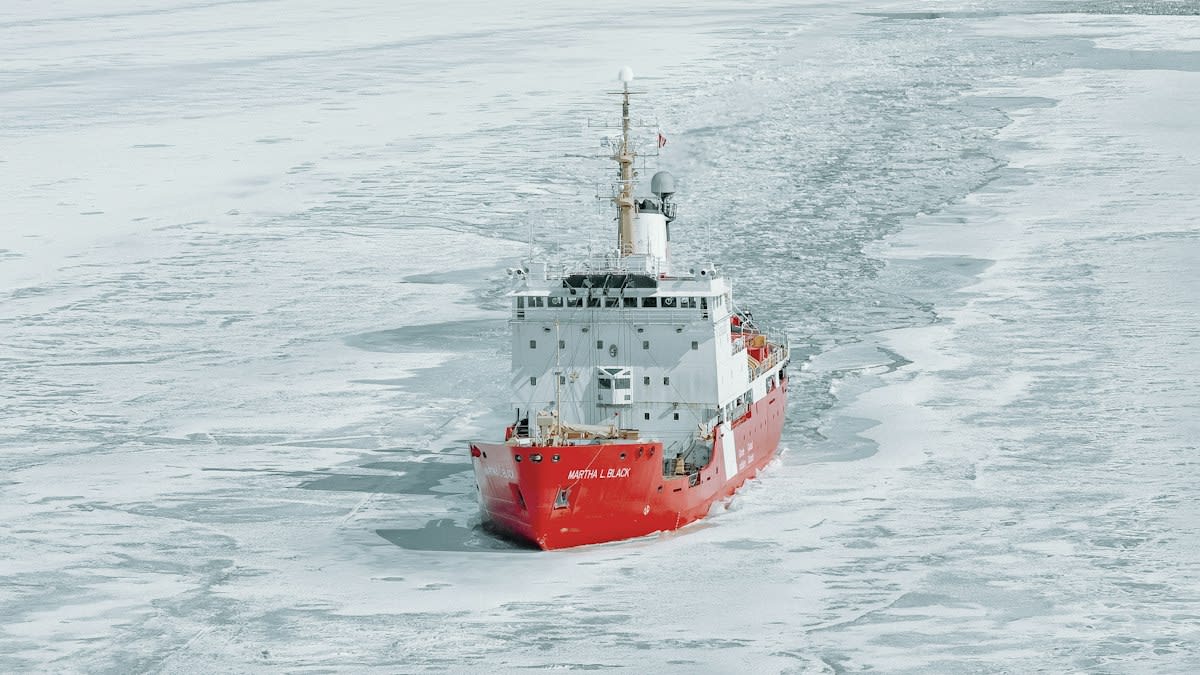
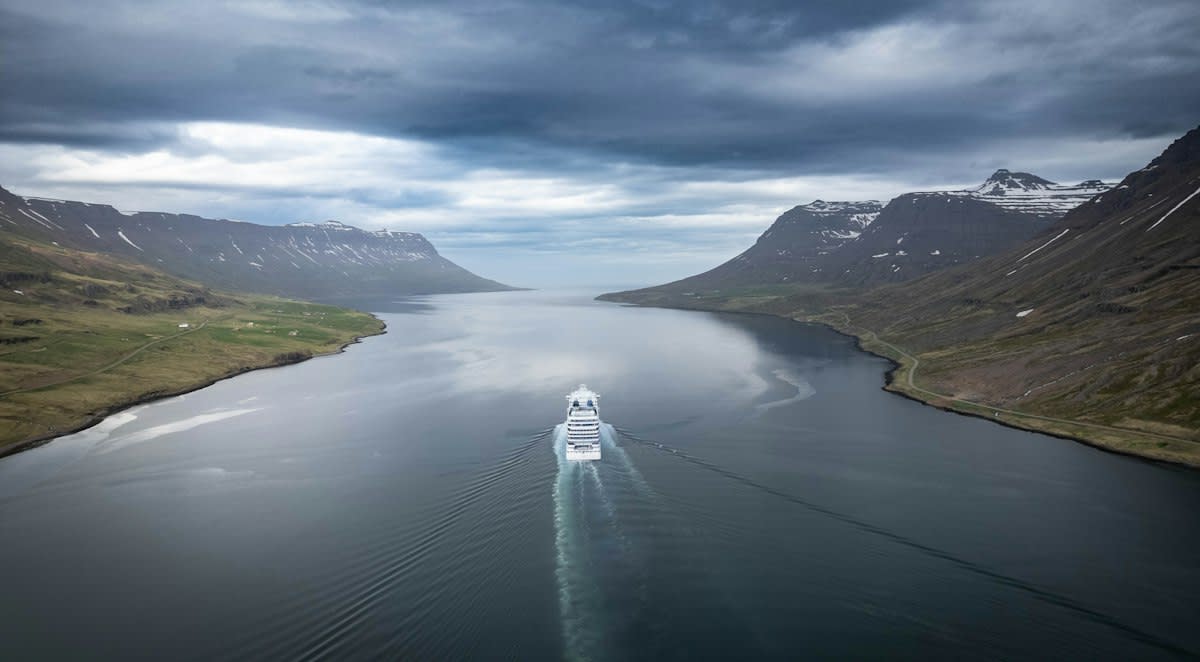
Ice is vanishing. While the world mourns the loss of the permafrost, the shipping industry views the opening of the Northern Sea Route as a goldmine for logistics. This industrial machinery secures the route. Wealthy tourists follow. When a luxury cruise ship enters a remote fjord in Greenland, it relies on the nautical charts and weather data gathered by commercial tankers. The luxury is a byproduct. Logistics build the dream. Because the cost of maintaining a nuclear icebreaker is prohibitive for any single cruise line, they piggyback on the state-funded infrastructure of the Arctic. The dependency is absolute.
Cargo ships win. If the Northern Sea Route sees a cargo volume increase to 36 million tons (Source: Rosatom, 2023), the resulting infrastructure serves as a suture for the region's fragmented ports. The path is paved. Luxury liners do not venture into the unknown. They follow the wake of LNG tankers that have already tested the ice thickness and mapped the shifting shoals of the Kara Sea. Safety is bought. The perceived isolation of an expedition cruise is a carefully curated lie sold to passengers in first class.
| Metric | Commercial Shipping | Luxury Cruising |
|---|---|---|
| Primary Goal | Resource Extraction | Experiential Tourism |
| Infrastructure Need | Deep-water Hubs | Boutique Terminals |
| Risk Tolerance | Calculated Loss | Zero Tolerance |
| Ice-breaker Reliance | State-funded/Mandatory | Contracted/Optional |
The money flows. While environmentalists argue that industrial traffic destroys the silence of the North, the economic reality is that cargo tonnage creates the search-and-rescue (SAR) capacity required for cruise permits. The risk is shared. Without the presence of Russian or Canadian coast guard assets stationed to protect mineral shipments, no insurance company would cover a 500-passenger vessel. The safety net is industrial. This creates a structural break in how we view the Arctic's viability. The cargo fleet is the invisible guardian.
"The viability of polar tourism is not a result of environmental change alone, but a result of the logistics chain established by resource extraction industries."— Dr. Elena Voronova, Maritime Analyst at the Arctic Institute
The boardroom fights are ugly. While marketing teams sell a pristine wilderness, the operations managers argue over who pays the ice-breaking surcharge demanded by Russian or Canadian authorities. This collision reveals a hidden truth. The Arctic is not wild. Those who wish to sail the Northwest Passage must negotiate with bureaucratic entities that treat the ocean as a toll road. The luxury is heavily managed. The clash between 'expedition' purists and mega-ship operators centers on whether the region should remain a niche for the few or a corridor for the many.
China is investing. Through the Polar Silk Road initiative, Beijing is funding ports and research stations that will eventually serve as refueling stops for high-end cruise lines. The reach expands. When the Chinese state-owned enterprises build a terminal in the High North, they are not just moving iron ore. They are creating the access points that allow luxury brands to offer 20-day itineraries to the North Pole. The strategy is long. The cargo comes first, and the champagne follows.
Regulations are tightening. The IMO Polar Code, implemented in 2017 (Source: IMO, 2017), forces all ships to meet stringent hull and safety standards regardless of their purpose. The rules apply. While luxury lines complain about the cost of ice-strengthened hulls, these regulations were written based on the failures of commercial cargo ships. The lessons are paid. Every safety valve and heating system on a luxury liner is a response to a mechanical failure on a freighter. The cargo fleet teaches. The cruise fleet learns.
Fact-Check & Accuracy Note
The legal status of the Northwest Passage remains a point of academic and diplomatic debate. Canada claims the passage as internal waters, while the United States and others argue it is an international strait. This dispute affects how cruise lines pay fees and which laws apply during emergencies (Source: Arctic Council, 2021).
Editorial Note
This analysis rejects the common narrative that industrial shipping 'ruins' the Arctic for tourists. Instead, it posits that the two industries are symbiotic, with cargo shipping acting as the essential infrastructure layer for the luxury market.
The Logistics of Luxury
Growth is accelerating. With cruise passenger numbers in the Arctic growing by roughly 15% annually (Source: CLIA, 2022), the demand for reliable port services has reached a breaking point. The hubs struggle. Small villages in Svalbard or Greenland cannot handle the waste and water needs of a 3,000-person ship without the industrial waste-management systems installed for mining operations. The cargo wins. The luxury cruise is a parasite. It feeds on the industrial capacity of the region to maintain a facade of effortless elegance.
Fuel is the key. As the industry moves toward LNG and hybrid propulsion to meet emissions targets, the refueling network is being built by the energy sector. The tankers lead. A luxury ship cannot carry enough fuel for a full Arctic circuit without stopping at a commercial hub. The chain holds. By aligning their schedules with the cargo windows, cruise lines ensure they have the fuel and supplies needed to keep the caviar cold. The dependency is deep. The industrialization is the only reason these trips are possible.
The future is clear. We will see more collisions between the desire for 'untouched' nature and the need for industrial support. The tension grows. As more cargo ships utilize the Northern Sea Route to shave weeks off the trip from Asia to Europe, the Arctic becomes a highway. The silence ends. Luxury cruises will not die; they will simply become more integrated into the commercial grid. The wild is gone. The managed corridor is the new reality.