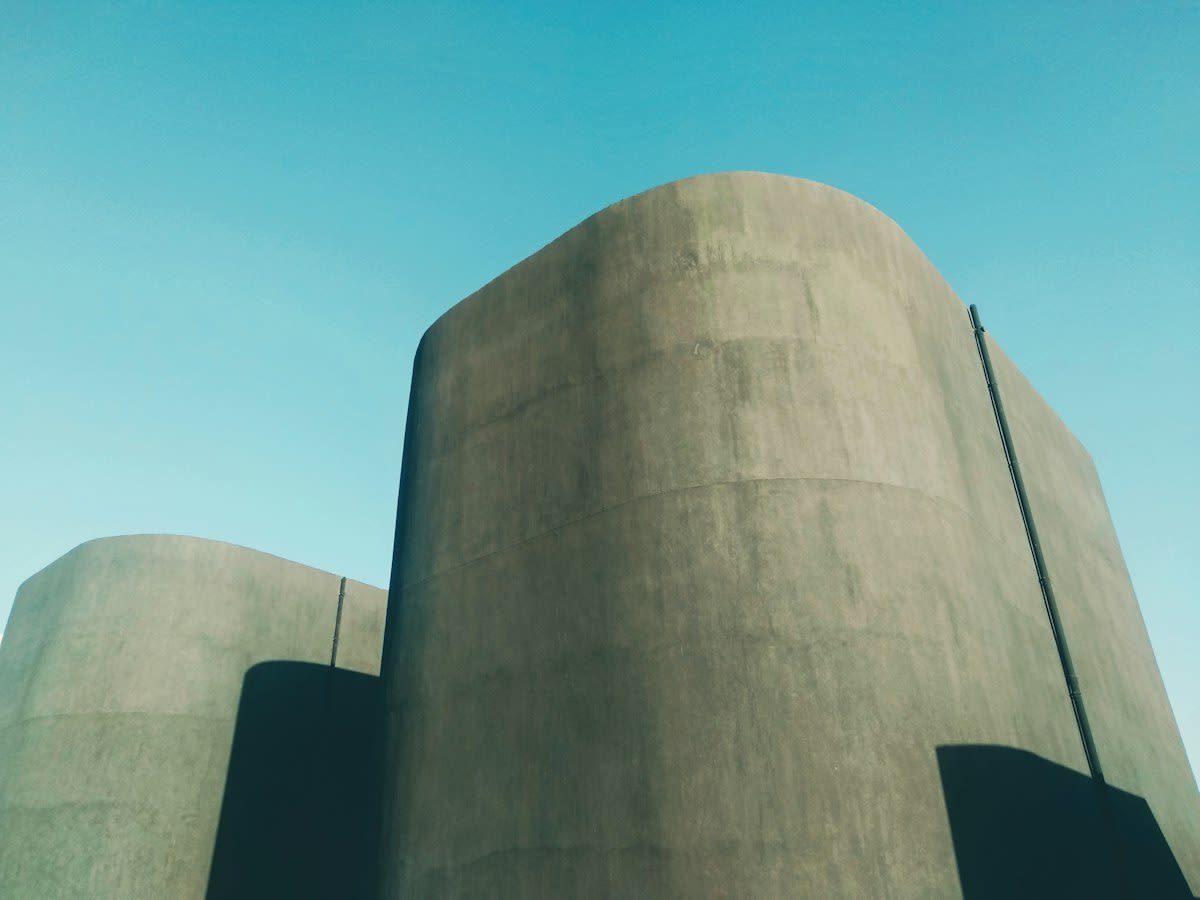
Who says luxury needs a gold-leafed ceiling? The industry obsession with polished marble and glass curtain walls is a mistake. It is boring. More importantly, it is expensive to maintain and fails to create a sense of place in cities that are currently hollowing out. The real opportunity lies in the raw, unapologetic weight of Brutalist architecture. By inserting Class A retail into these massive, concrete government shells, developers can create a visual tension that attracts a new generation of affluent consumers who crave authenticity over artifice. This isn't about aesthetics alone. It is a calculated move to utilize existing urban mass to stop the bleed of city centers.
Prerequisites for Brutalist Repurposing
You cannot simply lease a concrete bunker and call it a boutique. Success requires a specific set of assets and partnerships. First, you need access to underutilized commercial properties or former government buildings. Look for sites similar to the former Baby Bi-Lo shopping center on North Main Street in Greenville, which utilized a Facade Improvement Program to attract new retailers (Source: Upstate Business Journal, 2026). You also need a capital stack that can handle the volatility of raw material prices. The UK construction market, for instance, has seen persistent cost pressures and material price volatility despite a general stabilization (Source: McBains, 2026). Without a buffer for these fluctuations, your project will stall before the first slab is polished.
- Zoning clearance for mixed-use 'Class A' retail in former government or industrial zones.
- A partnership with a top-tier architecture firm capable of handling massive concrete structures (e.g., AECOM, Gensler, or Perkins&Will) (Source: Building Design+Construction, 2026).
- Access to urban revitalization grants or public-private partnerships, such as those modeled by the Inter-American Development Bank's Urban Upgrading and Revitalization Program (Source: IDB, 2021).
- A high-net-worth tenant list that values 'industrial-chic' over traditional luxury.
The Implementation Playbook
Execution is where most developers fail. They try to hide the concrete. Do not do this. The goal is to celebrate the raw texture while introducing surgical, high-end interventions. This requires a hard turn in how we think about interior design. Instead of covering the walls, use them as a gallery backdrop for luxury goods. The contrast is the product. When you pair a $5,000 handbag against a board-formed concrete wall, the product feels more precious. This is the essence of the Brutalist luxury approach.
- Asset Mapping: Identify government-owned or underused commercial slabs. Focus on buildings with high ceilings and open floor plans that allow for 'Class A' retail flexibility (Source: Upstate Business Journal, 2026).
- Firm Selection: Engage an engineering and architecture firm with government-sector expertise. Firms like Fluor, WSP, or Jacobs are equipped to handle the structural complexities of these massive builds (Source: Building Design+Construction, 2026).
- Infill Integration: Apply urban infill development strategies. Rather than expanding horizontally, build up. This maximizes the footprint of the existing concrete asset and increases the density of the retail hub (Source: RETTEW, 2026).
- Public Space Suture: Integrate the retail site into the wider city fabric. Use the IDB model of improving the physical quality and economic performance of urban public spaces to ensure the luxury hub doesn't become an isolated island (Source: IDB, 2021).
- Tenant Curation: Recruit brands that align with the 'raw' aesthetic. Avoid brands that require sterile environments; prioritize those that can leverage the architectural weight of the site.
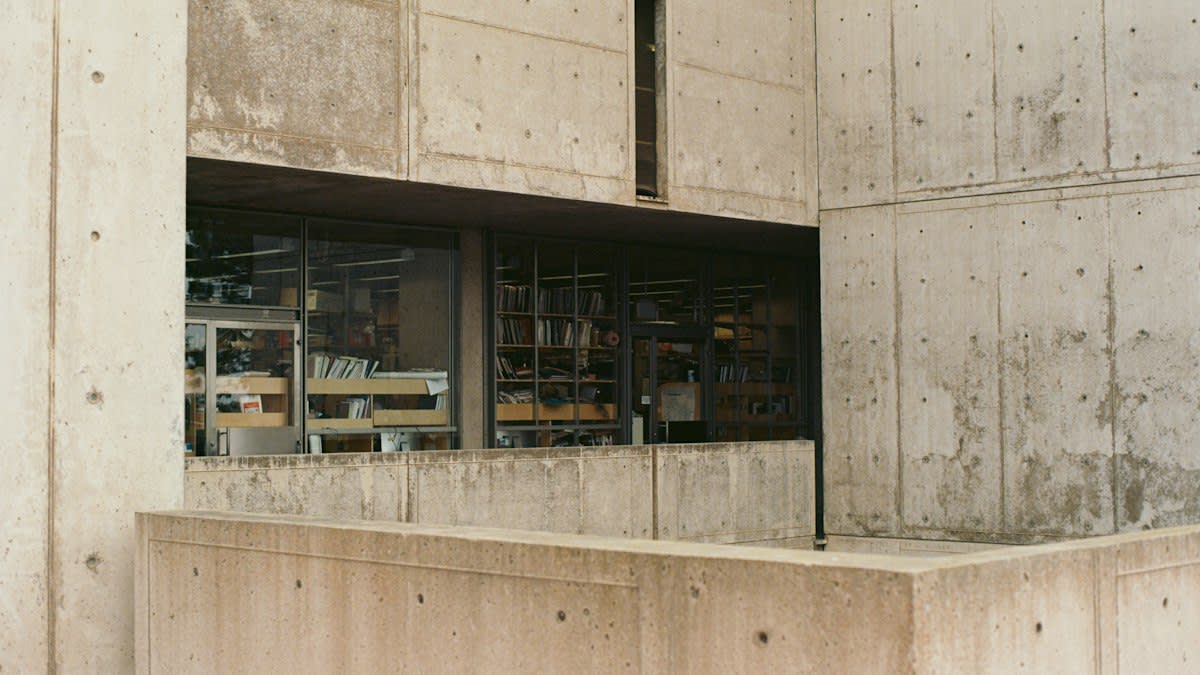
The logistics of this approach are grueling. You are dealing with structures that were never intended for retail foot traffic or high-end HVAC requirements. I have seen projects nearly collapse because the developer underestimated the cost of drilling through three-foot-thick reinforced concrete to install a modern ventilation system. There is a constant clash between the preservationists, who want the building left as a concrete relic, and the retail tenants, who want a climate-controlled sanctuary. The practitioner's job is to manage this tension. You must convince the preservationists that luxury retail is the only way to fund the building's survival, and convince the tenants that the concrete is a branding asset, not a liability.
"A convergence of forces is redirecting attention back toward urban revitalization, specifically through the lens of infill development where we build up instead of out."— Joel Young, Development Market Leader at RETTEW
Funding the Concrete Dream
Money is the ultimate filter. Luxury retail in dying cities requires a mix of private equity and public support. Look at Project Core in Spartanburg, an $800 million revitalization effort that creates ground-floor commercial space for new retail (Source: Upstate Business Journal, 2026). This scale of investment is only possible when the city sees the retail hub as a catalyst for broader urban health. You should seek out programs that focus on improving the habitability of urban settlements and strengthening the capacity of supply-side stakeholders (Source: IDB, 2021). When the government provides the land or the tax break, the risk for the luxury developer drops significantly.
| Project Component | Traditional Luxury | Brutalist Luxury | Risk Factor |
|---|---|---|---|
| Primary Material | Marble/Glass | Exposed Concrete | Low (Material Cost) |
| Construction Strategy | New Build | Urban Infill | High (Structural) |
| Tenant Appeal | Prestige | Authenticity | Medium (Market Fit) |
| City Impact | Gentrification | Urban Suture | Low (Public Support) |
Common Pitfalls and Mechanical Failures
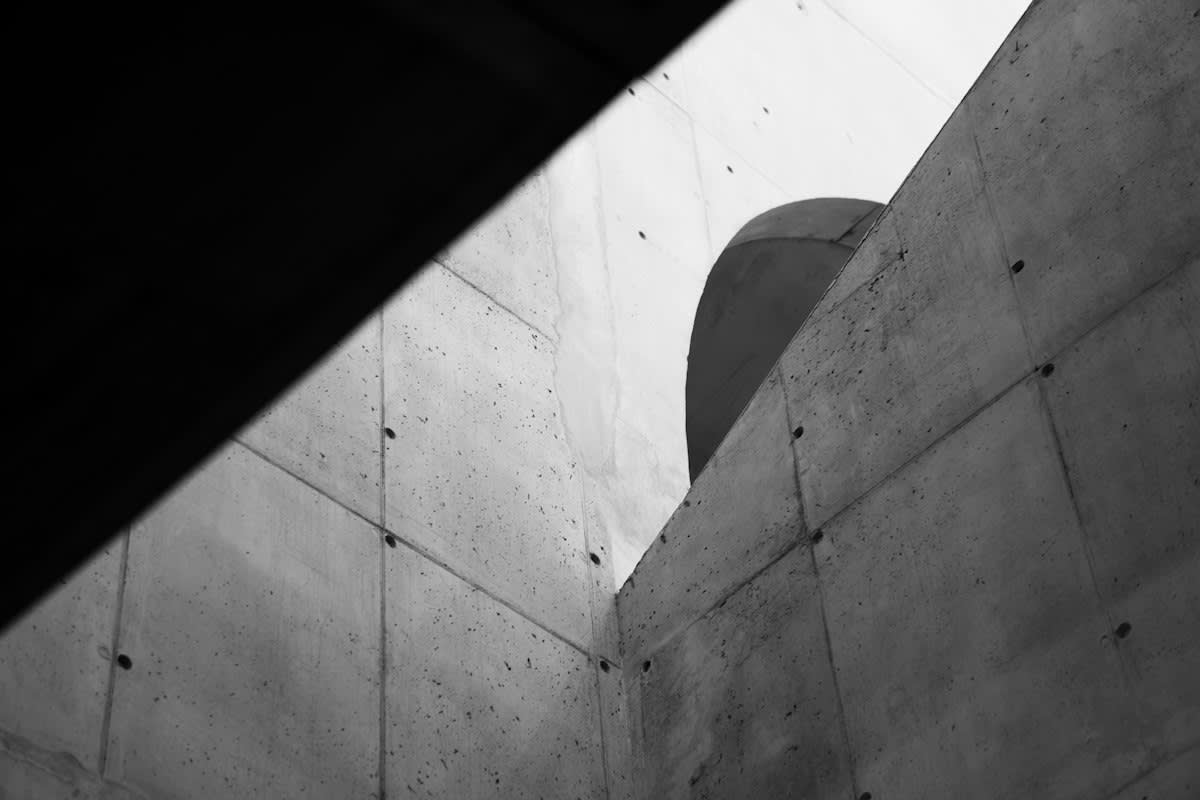
The most common failure is the 'lipstick on a pig' approach. Developers try to cover the concrete with drywall and paint, effectively destroying the only reason a modern luxury shopper would visit the site. This results in a generic space that lacks the staying power of a truly unique architectural statement. Furthermore, ignore the labor market at your peril. Even in stabilizing markets, persistent labor shortages can derail a timeline (Source: McBains, 2026). If you cannot find specialists who know how to treat and seal old concrete without ruining its patina, your walls will bleed rust and calcium, killing the luxury vibe instantly.
Fact-Check & Accuracy Note
This guide relies on data from the 2026 Giants 400 Report by Building Design+Construction regarding firm rankings, and 2026 market analysis from McBains. The urban revitalization models are based on Inter-American Development Bank (IDB) procurement plans from 2021 and regional reports from the Upstate Business Journal. There is ongoing academic debate regarding whether luxury retail truly 'saves' cities or merely creates high-end islands of wealth amidst urban decay.
Ultimately, the success of Brutalist luxury retail depends on the courage to leave the building raw. It is a gamble on the consumer's desire for the 'real.' When done correctly, it doesn't just save a building; it anchors a neighborhood. It turns a dead government slab into a destination. The result is a city center that feels weighted, permanent, and unexpectedly glamorous.