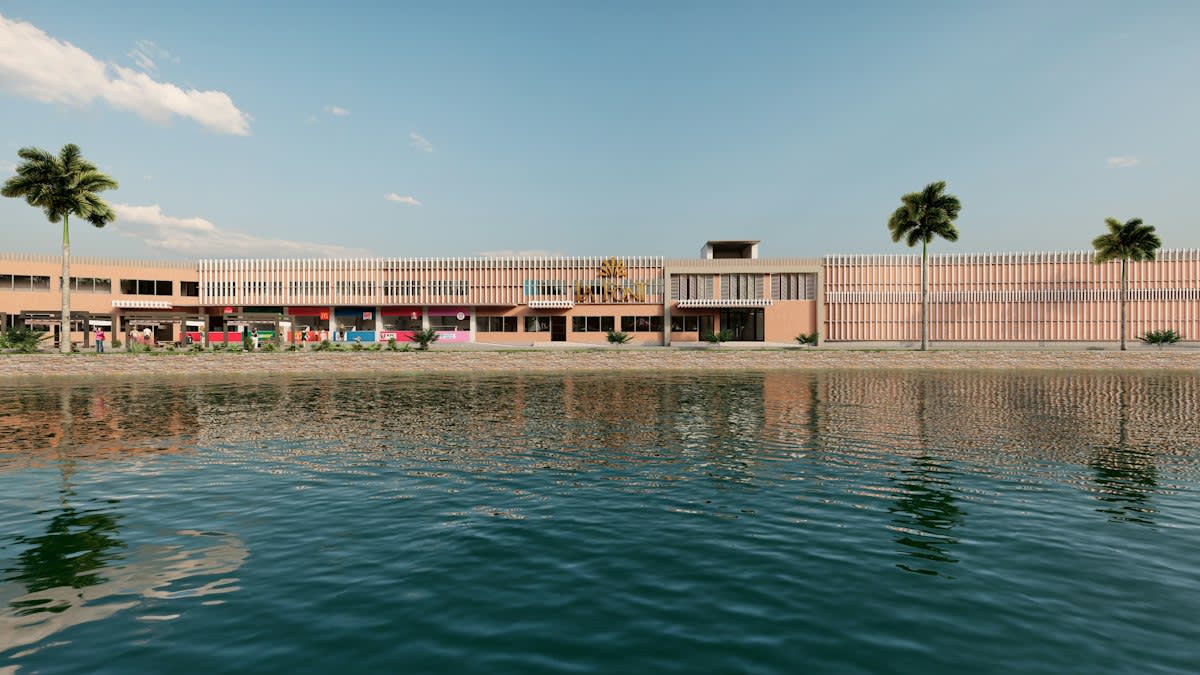
Water is winning. Low-lying regions now face a reality where stagnant harbor water replaces the schoolyard, demanding a shift from fixed foundations to buoyant platforms. The objective is a facility that does not fight the tide but rides it.
Prerequisites for Deployment
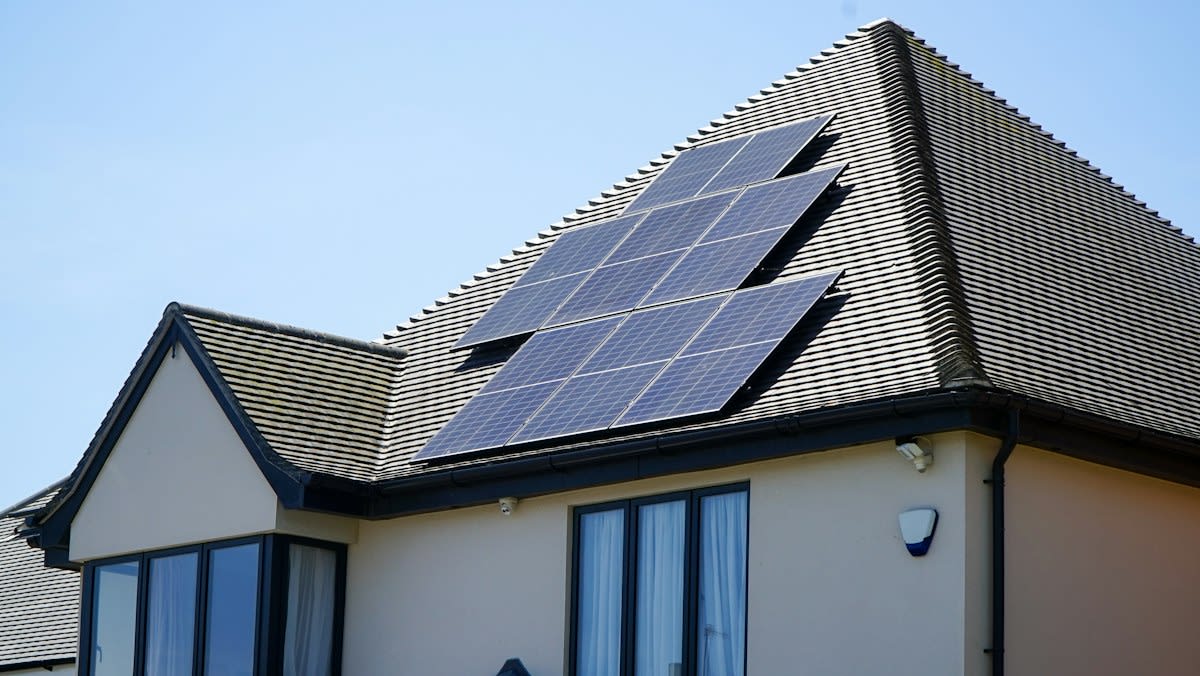
- Renewable energy arrays: High-efficiency wind and solar power sources to ensure carbon-minus outcomes (Source: Singapore EDB, 2023).
- Buoyancy modules: High-density floating structures designed to counter sea level rise (Source: Singapore EDB, 2023).
- Thermal regulation hardware: High-rise building designs that maintain cooler internal temperatures to reduce energy load (Source: Singapore EDB, 2023).
- Logistics framework: Simplified transportation conduits to connect floating hubs with mainland supply chains (Source: Singapore EDB, 2023).
Implementation Protocol
- Site Identification: Target low-lying zones where flooding is frequent and traditional land-based facilities are non-viable.
- Energy Grid Integration: Install humming capacitors and salt-crusted cables to link solar and wind arrays, targeting CO2 emissions that stay below zero (Source: Singapore EDB, 2023).
- Structural Assembly: Deploy floating platforms based on the Green Float concept to create a self-sustaining environmental protection measure (Source: Singapore EDB, 2023).
- Thermal Optimization: Construct vertical learning spaces to utilize natural cooling, reducing the reliance on energy-heavy HVAC systems (Source: Singapore EDB, 2023).
- Logistics Calibration: Map out transit routes to minimize the energy cost of moving students and materials across the water (Source: Singapore EDB, 2023).
The hardware must be relentless. Every square centimeter of the platform must contribute to the energy budget, utilizing plastic-wrapped circuitry to shield critical components from the corrosive salt air.
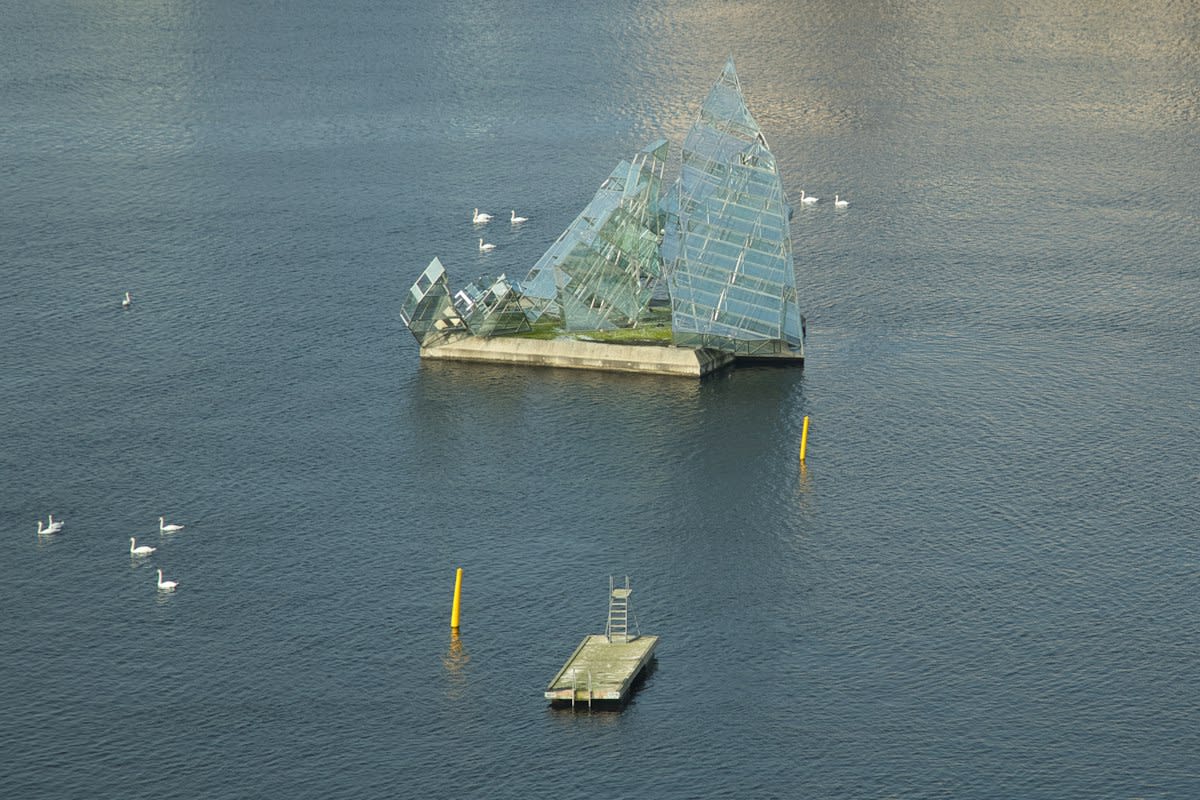
Financial commitment is the only true metric of viability. In Singapore, the government is investing SGD 100 billion over the next 50 to 100 years to combat rising sea levels and climate change (Source: Singapore EDB, 2023). This scale of investment suggests that floating facilities are not mere experiments but a long-term survival strategy for island nations.
"Green Float is designed to simplify logistics and transportation, save energy by residing in high-rise buildings with cooler temperatures, and significantly lower CO2 emissions by utilising renewable energy sources like wind and solar power."— Singapore EDB, 2023
The transition from land to water requires a total rethink of power delivery. We are no longer talking about buried lines but exposed, ozone-heavy air and flickering LED grids that must withstand tropical storms.
Technical Analysis: The Carbon-Minus Objective
Efficiency is the only currency that matters in a floating school. By integrating wind and solar power, the Green Float model aims for carbon-minus outcomes, meaning the facility removes more CO2 from the atmosphere than it produces (Source: Singapore EDB, 2023). This is achieved through a combination of renewable generation and the use of materials that sequester carbon during their lifecycle.
Verticality is the secret weapon. High-rise floating structures allow for better airflow and temperature management, which drastically cuts the energy required for cooling in humid environments (Source: Singapore EDB, 2023). This design choice transforms the facility from a passive shelter into an active energy-saving machine.
From the deck of a prototype, the reality is less polished than the renders. You smell scorched polymer when the converters overheat and feel the vibration of humming capacitors beneath sweating concrete floors. The real debate isn't about the architecture, but about the maintenance of salt-crusted cables in a climate that wants to eat every piece of metal alive.
Failure Point: The Power Collapse
Floating facilities are only as strong as their energy links. Extreme weather events can render the most advanced hardware useless in seconds. In Nepal, heavy rainfall disrupted power supply across multiple regions, including Manang, Baglung, and Mustang (Source: TRN Online, 2026).
The cost of such failures is astronomical. Damage to power systems in Nepal reached 74 billion rupees, with technical teams struggling to restore electricity to affected areas like Myagdi and Tanahun (Source: TRN Online, 2026). For a floating school, a similar collapse in power hardware would not just mean a dark classroom; it would mean a total loss of climate control and communication in the middle of a storm.
Access is the final breaking point. When rainfall obstructs access routes, on-site inspections become impossible, leaving damaged systems to rot in the humidity (Source: TRN Online, 2026). A floating school without a redundant, autonomous power source is a liability.
Common Pitfalls
- Over-reliance on mainland power: Failing to implement the autonomous renewable energy grids mentioned in the Green Float model leads to total shutdown during weather events.
- Ignoring thermal loads: Building low-profile floating structures instead of high-rise designs increases cooling costs and energy consumption (Source: Singapore EDB, 2023).
- Underestimating corrosion: Using standard electrical components instead of plastic-wrapped circuitry in salt-heavy environments leads to rapid hardware degradation.
- Logistical blindness: Failing to simplify transportation conduits results in high operational costs and student absenteeism.
Fact-Check & Accuracy Note
The data used in this guide is derived from the Singapore EDB (2023) report on Green Float and the TRN Online (2026) report on Nepal power failures. The technical specifications for floating structures are based on the Singaporean model, while the failure analysis is extrapolated from reported power system collapses in high-rainfall regions.
Editorial Note
Editorial Note: This guide focuses on the technical 'How' of floating structures. It prioritizes the Green Float's carbon-minus architecture as the gold standard for educational deployment in flood-prone zones.