APPCB moves to shut two Nellore prawn processing units for releasing untreated wastewater
Source Entity
India Latest News: Top National Headlines Today & Breaking News | The Hindu
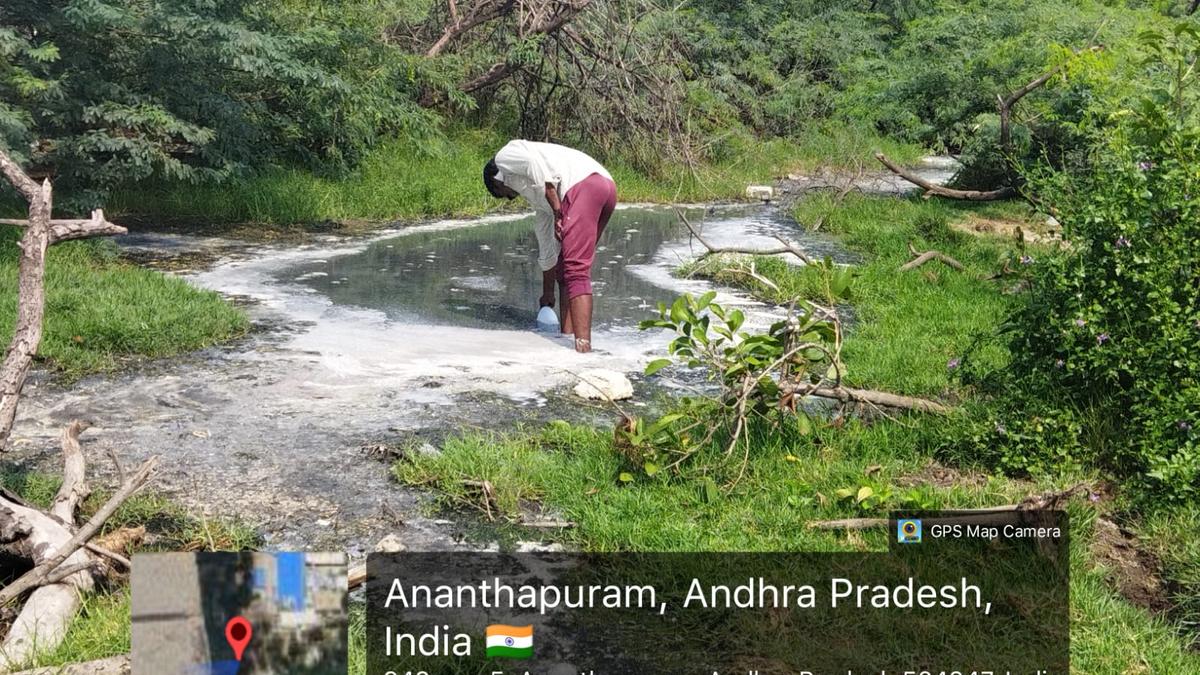
The Andhra Pradesh Pollution Control Board has ordered the closure of two prawn processing units in Nellore for environmental violations. This crackdown follows a state-wide directive to inspect 131 aqua processing facilities for improper waste management.
Regulatory Crackdown on Andhra Pradesh Aqua Industry
The Andhra Pradesh Pollution Control Board (APPCB) has initiated decisive enforcement actions against two prawn processing facilities, Water Base Limited and Abaad Overseas, located in the SPSR Nellore district. This move comes following onsite inspections that revealed the companies were operating without functional effluent treatment plants (ETP) and were unlawfully discharging untreated wastewater into local drainage systems. Furthermore, investigators observed the illegal burning of solid waste, posing a direct threat to the local environment and public health.
The Directive Behind the Enforcement
This enforcement action is not an isolated incident but rather the result of a coordinated state-wide initiative. Following a directive issued on September 28 by Deputy Chief Minister K. Pawan Kalyan—who oversees the Forest and Environment portfolio—the APPCB has intensified its oversight of the aquaculture sector. The mandate emphasizes the strict enforcement of environmental compliance rules, signaling a shift toward more rigorous industrial accountability in Andhra Pradesh.
Scope of the State-wide Inspection
Under the leadership of APPCB Chairman P. Krishnaiah, the board has launched a comprehensive audit of 131 aqua processing and pre-processing units across the state. The inspection conducted by Chief Environmental Engineer M. Rajasekhar on September 26 serves as a pilot for this broader regulatory push. The findings in Nellore have already prompted the issuance of show-cause notices to ten additional units, suggesting that the board is prepared to scale its enforcement efforts if further non-compliance is identified.
Environmental and Economic Implications
The aquaculture industry is a cornerstone of the Andhra Pradesh economy, yet it carries significant environmental externalities. The discharge of untreated effluent can lead to severe degradation of local water bodies, affecting both biodiversity and the livelihoods of surrounding communities. By forcing companies to utilize properly functioning ETPs, the APPCB is attempting to balance industrial productivity with sustainable environmental practices, ensuring that economic growth does not come at the cost of ecological stability.
Future Trends and Regulatory Outlook
The current crackdown represents a proactive approach to industrial oversight. By moving beyond mere warnings to the closure of non-compliant facilities, the APPCB is signaling a 'zero-tolerance' policy for environmental negligence. Future trends in this sector will likely involve mandatory adoption of advanced waste management technologies and stricter periodic audits to ensure that the 131 units under scrutiny remain in alignment with state and national environmental standards.
Verification Required?